Kimono Photoshoot Guide: Best Locations & Photography Tips
The Art of the Kimono Photoshoot: Blending Tradition and Technique
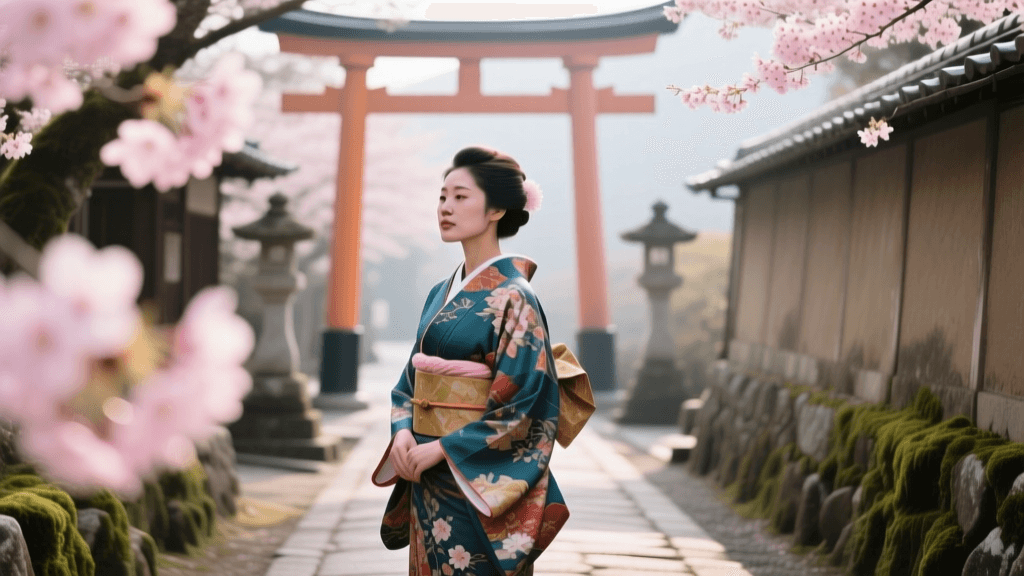
Capturing the elegance of traditional Japanese garments requires more than just a beautiful backdrop; it demands an understanding of the clothing's cultural significance, structural nuances, and the interplay of light on intricate textiles. Whether you are a traveling photographer, a cultural enthusiast, or a tourist looking to document your own kimono experience, mastering the art of the kimono photoshoot elevates your images from simple souvenirs to breathtaking editorial portraits. The kimono, with its straight-line construction and sweeping sleeves, creates a distinct silhouette that behaves differently than Western tailored clothing. Understanding how to pose the wearer, select the right focal lengths, and navigate the bustling streets of Japan's historic districts is essential for creating timeless imagery.
Top Kimono Photoshoot Locations in Japan
Japan offers a diverse array of landscapes, from meticulously maintained Edo-period gardens to neon-lit modern streetscapes. However, for traditional kimono photography, the architectural heritage of Kyoto and the historic enclaves of Tokyo remain unmatched. When selecting a location, photographers must balance aesthetic beauty with crowd management, as popular sites can become overwhelmingly congested by mid-morning.
| Location | Best Season | Ideal Time of Day | Crowd Level | Approx. Entry Fee |
|---|---|---|---|---|
| Arashiyama Bamboo Grove | Autumn / Winter | 7:00 AM - 8:30 AM | High (Low at dawn) | Free |
| Kiyomizu-dera Temple | Spring / Autumn | 4:00 PM - 5:30 PM | Very High | 400 JPY |
| Rikugien Garden (Tokyo) | Autumn | 3:00 PM - 4:30 PM | Moderate | 300 JPY |
| Sanju-sangen-do (Kyoto) | Year-round | 9:00 AM - 10:00 AM | Low | 600 JPY |
Kyoto: The Heart of Traditional Aesthetics
Kyoto is the undisputed capital of traditional Japanese culture. The Higashiyama district, with its preserved wooden machiya townhouses and stone-paved streets like Ninenzaka and Sannenzaka, provides an authentic Edo-period atmosphere. According to the Japan National Tourism Organization, Kyoto's seasonal shifts offer distinct photographic palettes: the weeping cherry blossoms in spring, the lush green moss gardens in summer, and the fiery maple leaves in autumn. For a more serene environment, the Arashiyama district guide highlights the towering bamboo stalks that create natural leading lines and beautiful diffused lighting, provided you arrive before 8:00 AM to avoid the heavy tourist foot traffic.
Tokyo: Where Edo Meets Modernity
While Kyoto offers pure tradition, Tokyo provides fascinating juxtapositions. The Asakusa neighborhood, centered around the Senso-ji Temple, is ideal for vibrant, classic portraits featuring the iconic Kaminarimon gate. Conversely, the Rikugien Garden offers a sprawling landscape pond that perfectly reflects the sweeping hemlines of a visiting kimono. For avant-garde editorial shoots, pairing a vintage silk kimono with the cyberpunk aesthetics of Shinjuku's neon alleyways creates a striking visual narrative that bridges Japan's past and future.
Technical Photography Tips for Traditional Garments
Photographing a kimono requires specific technical considerations to honor the garment's craftsmanship. The intricate dyeing techniques, such as yuzen or shibori, and the textured weaving of the obi (sash) demand sharpness and careful lighting.
Lens Selection and Camera Settings
The choice of lens dramatically alters the storytelling of a kimono portrait. An 85mm prime lens (f/1.4 or f/1.8) is the gold standard for environmental portraiture. It provides flattering facial compression and allows you to isolate the subject from busy tourist backgrounds using creamy bokeh. However, be cautious with apertures wider than f/2.8. Because the kimono is a voluminous garment and the obi adds significant depth to the subject's profile, shooting at f/1.4 may result in the subject's face being sharp while the intricate knot of the obi falls out of the focal plane. Stopping down to f/2.8 or f/4 ensures both the facial features and the textile details remain crisp.
For environmental shots that capture the architecture alongside the garment, a 35mm or 50mm lens is preferable. Set your shutter speed to a minimum of 1/200s. The long, swinging sleeves of a furisode (the formal kimono for unmarried women) catch the wind easily, and a faster shutter speed is necessary to freeze the fabric in motion without introducing blur.
Lighting and the Golden Hour
Harsh midday sunlight is the enemy of silk and satin. Direct overhead sun creates unflattering shadows under the chin and washes out the subtle metallic threads often woven into the obi. The golden hour—the first hour after sunrise and the last hour before sunset—provides warm, directional light that accentuates the texture of the fabric. If shooting during the day, seek out open shade, such as the covered walkways of shrines or the dense canopy of maple trees in Japanese gardens, which act as natural softboxes.
Posing and Styling: Honoring the Silhouette
Unlike Western fashion photography, which often emphasizes dynamic, wide-stanced poses, traditional kimono photography relies on subtlety, modesty, and the preservation of the garment's cylindrical silhouette. The foundational pose is known as 'uchimata,' where the knees are kept together and the feet are slightly pigeon-toed. This stance naturally narrows the hemline, creating an elegant, tapered look that is historically accurate and visually pleasing.
- Hand Placement: Hands should be relaxed and gently overlapping in front of the obi. Avoid spreading fingers wide or placing hands on the hips, as this breaks the clean lines of the garment and can damage the delicate silk.
- Sleeve Management: When turning or walking, the subject should lightly hold the front panel of the kimono to prevent it from falling open. For dramatic shots, a gentle breeze or a subtle flick of the wrist can showcase the vibrant inner lining of the furisode sleeves.
- Props and Accessories: Incorporate traditional props like a wagasa (oiled paper umbrella), an uchiwa (rigid fan), or a sensu (folding fan). These not only give the subject's hands something natural to do but also add layers of cultural authenticity to the frame.
Practical Logistics: Rentals, Costs, and Timing
For international visitors and traveling photographers, renting is the most practical option. The Japan Guide notes that kimono rental shops are heavily concentrated in tourist hubs like Kyoto's Higashiyama and Tokyo's Asakusa. Understanding the logistics will save valuable shooting time.
Cost Breakdown: A standard daily rental ranges from 3,000 to 5,000 JPY. Upgrading to premium options, such as vintage Taisho-era romancesque styles or lace-trimmed hakama, will add 2,000 to 4,000 JPY. Professional hair styling, which is highly recommended to balance the visual weight of the garment, typically costs an additional 1,500 to 3,000 JPY. Therefore, budget approximately 8,000 to 12,000 JPY per person for a complete, high-quality styling experience.
Timing is Everything: Rental shops open around 9:00 AM, and the dressing process takes 45 to 60 minutes. To capture the best light and avoid crowds at major temples, book the earliest possible appointment. Arrive at the shop by 8:45 AM, select your garments quickly (having a pre-planned color palette helps), and aim to be on location by 10:00 AM. Keep in mind that most shops require the garments to be returned by 5:00 PM or 6:00 PM, which perfectly aligns with catching the evening golden hour for a final set of twilight portraits.
Conclusion
Photographing the kimono is a deeply rewarding endeavor that bridges technical photography skills with cultural appreciation. By carefully selecting your locations, mastering the appropriate camera settings, and guiding your subject through traditional, respectful poses, you can capture the profound beauty and enduring legacy of Japan's most iconic garment. Whether wandering the bamboo forests of Arashiyama or the stone gardens of Tokyo, the key to a successful kimono photoshoot lies in patience, preparation, and a deep respect for the artistry woven into every thread.