Kimono Buying Guide: Compare Types, Silk Grades and Cost
The Art of Kimono Collecting: A Comprehensive Buying Guide
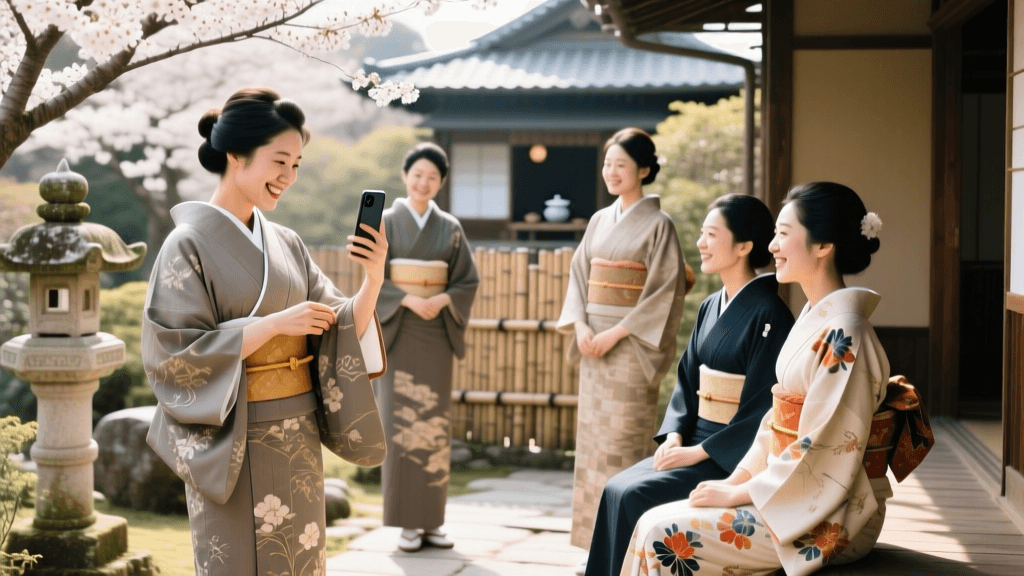
For international collectors, fashion historians, and enthusiasts of traditional Japanese clothing, acquiring an authentic kimono is a deeply rewarding pursuit. However, navigating the intricate hierarchy of kimono types, silk weaves, and formality levels can be overwhelming for the uninitiated. Unlike Western fashion, where trends dictate a garment's value, the Japanese kimono operates on a strict sartorial code governed by seasonality, marital status, and social occasion. According to the Victoria and Albert Museum's Asian textile archives, the kimono is not merely a piece of clothing but a complex canvas of cultural signaling and artisanal mastery.
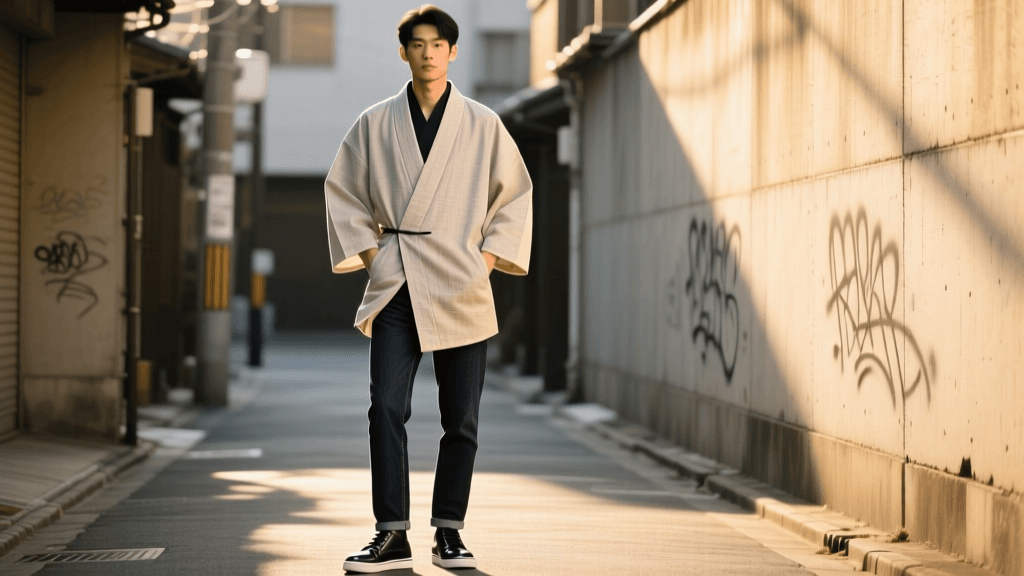
This comprehensive buying guide will demystify the different types of kimono, decode silk fabric grades, provide essential measurement conversions, and offer practical advice for purchasing both vintage and contemporary pieces. Whether you are sourcing a formal Houmongi for a tea ceremony or a casual Komon for modern streetwear styling, understanding these fundamentals is crucial to making an informed investment.
Decoding Kimono Types and Formality Levels
The most critical factor in evaluating a kimono is its formality. The Japanese concept of TPO (Time, Place, Occasion) strictly dictates which kimono is appropriate to wear. Misunderstanding these categories can lead to overpaying for a garment that does not suit your intended use, or worse, committing a major sartorial faux pas.
Tomesode and Furisode: The Pinnacle of Formality
Kurotomesode (black with five family crests) and Irotomesode (colored with crests) represent the highest level of formality for married women, typically worn by mothers of the bride or groom at weddings. The patterns are strictly confined to the lower half of the garment below the waist (eba-moyo). Furisode, characterized by their dramatically long, swinging sleeves (ranging from 85cm to 114cm in length), are the most formal attire for unmarried women. Due to the immense amount of high-grade silk and intricate yuzen dyeing required, authentic vintage Furisode command premium prices in the collector's market.
Houmongi and Tsukesage: Versatile Semi-Formal Elegance
For international buyers seeking a versatile, elegant garment, the Houmongi (visiting wear) and Tsukesage are the most practical investments. Both are worn by married and unmarried women alike for tea ceremonies, gallery openings, and formal dinners. The key distinction lies in the pattern placement. A Houmongi features an eba-moyo pattern that flows continuously across the seams when the kimono is laid flat, requiring the artisan to baste the garment before dyeing. A Tsukesage, conversely, features patterns that are contained within the individual fabric panels and do not cross the seams, making it slightly less formal and generally more affordable.
Komon and Tsumugi: Casual and Everyday Wear
Komon features a small, repeating pattern across the entire garment. It is the equivalent of a casual day dress and is perfect for modern styling, theater visits, or casual dining. Tsumugi refers to kimono made from pongee silk—a textured, slubbed silk woven from pre-dyed threads. While historically considered peasant wear, Tsumugi is now highly prized by connoisseurs for its understated, rustic elegance and exceptional durability, despite being technically classified as casual wear.
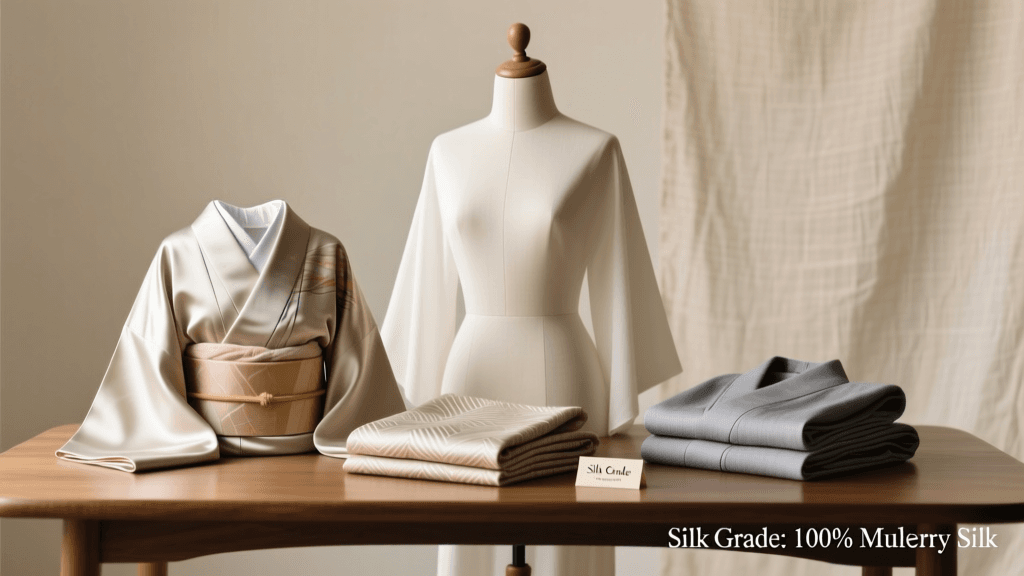
Understanding Silk Weaves and Fabric Grades
The Japan National Tourism Organization (JNTO) highlights that regions like Nishijin in Kyoto and Kiryu in Gunma have spent centuries perfecting distinct silk weaving techniques. When inspecting a kimono, identifying the weave will tell you much about its seasonality and value.
- Chirimen (Crepe): The most common silk weave for kimono. It features a subtle, pebbled texture created by tightly twisting the weft threads. Chirimen is highly durable, resists wrinkling, and takes dye beautifully, making it the standard for Houmongi and Komon.
- Rinzu (Damask): A glossy, figured silk with woven patterns that appear subtly in the light. Rinzu is incredibly soft and luxurious, frequently used for formal garments and high-end bridal wear.
- Ro and Sha (Summer Gauze): Lightweight, sheer silks woven with deliberate gaps in the warp and weft to allow for airflow. These are strictly reserved for the peak of summer (July and August) and are highly delicate.
- Omeshi: A premium, heavy crepe silk that was historically favored by the samurai class and aristocrats. It has a crisp drape and a distinctive, slightly stiff texture that holds its shape beautifully.
Comprehensive Kimono Comparison Chart
Use the following table as a quick reference when evaluating listings on auction sites, antique markets, or specialized dealers.
| Kimono Type | Formality | Target Wearer | Pattern Placement | Est. Vintage Price (USD) |
|---|---|---|---|---|
| Kurotomesode | Ultra-Formal | Married Women | Below waist only | $150 - $400 |
| Furisode | Ultra-Formal | Unmarried Women | All over, long sleeves | $200 - $800+ |
| Houmongi | Semi-Formal | All Women | Continuous across seams | $80 - $300 |
| Tsukesage | Semi-Formal | All Women | Contained in panels | $60 - $200 |
| Komon | Casual | All Women | Small repeating motif | $30 - $120 |
| Tsumugi | Casual/Smart | All Women/Men | Woven geometric/stripes | $50 - $250 |
Essential Measurements and Sizing Guide
Unlike Western clothing, kimono are not sized by Small, Medium, or Large. They are measured flat, and the wearer adjusts the fit through folding and tying. When buying online, you must know three critical measurements:
- Yuki (Sleeve Span): Measured from the center of the back neck, across the shoulder, and down to the wrist. For modern women, a standard Yuki is 64cm to 68cm. Vintage kimono (pre-1960s) often have shorter Yuki measurements (58cm to 62cm) due to historical differences in average height and wearing styles.
- Mitake (Back Length): Measured from the base of the collar down to the hem. Ideally, the Mitake should be equal to your height minus 10cm to 15cm, allowing for the kurikoshi (the fold at the neck) and the hem fold.
- Kurikoshi (Neck Fold): The distance from the center back seam to the collar attachment point. This creates the elegant swoop at the nape of the neck. A standard Kurikoshi is about 2cm to 3cm.
Inspection Checklist: Buying Vintage and Antique
The secondary market in Kyoto, Tokyo, and online platforms is flooded with beautiful vintage kimono. However, silk is a protein fiber that degrades if improperly stored. The Metropolitan Museum of Art's Asian Art Department emphasizes the importance of strict environmental controls for textile preservation. When inspecting a potential purchase, look out for the following flaws:
- Kise (Stains): Check the hem and lower back for water stains or mud splashes. While some stains can be treated by a professional shikkiya (kimono cleaner), severe water rings are often permanent.
- Yake (Sun Fading): Open the kimono flat and inspect the shoulders and back. If the garment was displayed on a hanger in a sunlit window, the shoulders will show severe color shifting or brittleness. Avoid these entirely, as the silk will eventually shatter.
- Collar Dirt: The inner collar (han-eri) often accumulates makeup and skin oils. Ensure the collar is removable and replaceable, which is standard practice.
- Shikko (Musty Odor): A strong smell of camphor or mildew indicates poor storage. While airing out a kimono can help, deep-set mildew spores can permanently damage the silk fibers.
"In the realm of vintage textiles, perfection is rare. Collectors often embrace minor, repairable flaws as part of the garment's history, but structural degradation like sun rot must always be avoided."
The Obi: The Unsung Hero of the Ensemble
A kimono is incomplete without an obi (sash). When budgeting for your purchase, remember that a high-quality obi can cost as much as, or more than, the kimono itself. For formal Houmongi and Tomesode, you will need a Fukuro Obi—a long, wide, and heavily brocaded sash. For casual Komon and Tsumugi, a Nagoya Obi is appropriate. The Nagoya is pre-folded and stitched in one section, making it significantly easier for beginners to tie the popular taiko musubi (drum knot) without assistance.
Care, Maintenance, and Storage
Never attempt to wash a silk kimono at home. Traditional Japanese dry cleaning, known as maru-arai, involves taking the garment apart, washing the individual panels in specialized solvents, stretching them on wooden frames (shinshi), and re-sewing them. This process preserves the silk's integrity and vibrant dyes. For storage, avoid wire hangers and plastic bags, which trap moisture and cause acid burns. Instead, fold the kimono along its natural seam lines and wrap it in acid-free tatou-shi (traditional Japanese paper). Store the wrapped garments in a tansu or, ideally, a toso-bako (paulownia wood box), which naturally regulates humidity and repels insects.
Final Thoughts for the Modern Collector
Building a kimono collection is a journey into the heart of Japanese aesthetics, seasonal awareness, and artisanal heritage. By understanding the strict formality codes, recognizing the nuances of silk weaves like Chirimen and Rinzu, and rigorously inspecting vintage pieces for structural integrity, you can curate a wardrobe that honors tradition while serving your modern sartorial needs. Whether you are attending a formal diplomatic reception or styling a vintage Komon with contemporary accessories, the right knowledge ensures your investment remains both culturally respectful and visually stunning.