Modern Qipao Styling: How to Wear the Cheongsam Today
The Enduring Elegance of the Qipao
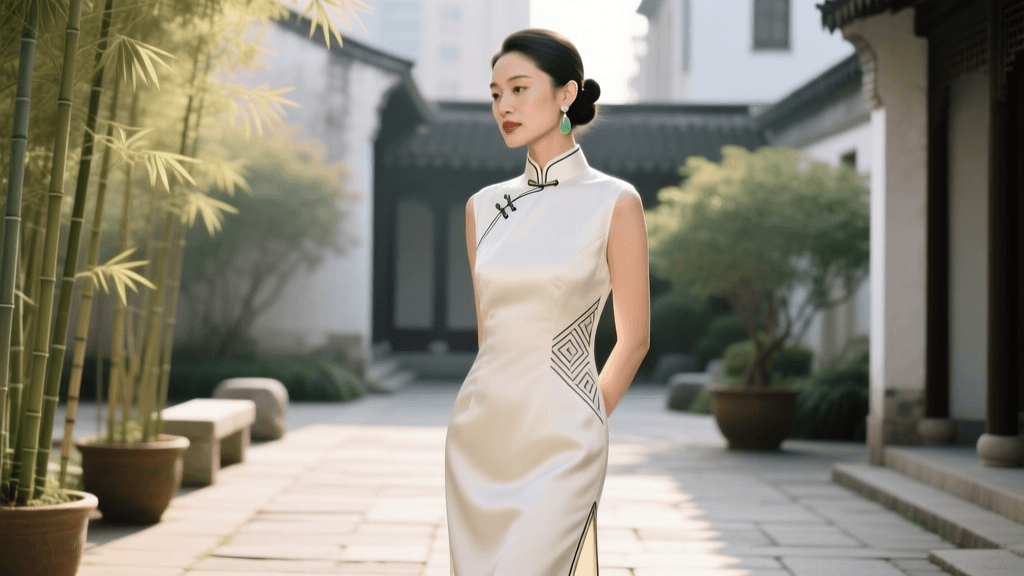
The qipao, also widely known as the cheongsam in Cantonese-speaking regions, is arguably the most globally recognized garment in Chinese fashion history. Characterized by its high Mandarin collar, asymmetrical front opening, form-fitting silhouette, and delicate pankou (frog knot) fastenings, this iconic dress has transcended its historical roots to become a versatile staple in contemporary wardrobes. While it was once relegated to formal events or traditional ceremonies, the modern fashion landscape has embraced the qipao as a canvas for personal expression, blending heritage tailoring with modern streetwear, office attire, and avant-garde styling.
Whether you are looking to invest in your first custom-made cheongsam, style a vintage piece for a wedding, or integrate the 'New Chinese Style' (Xin Zhongshi) into your daily rotation, understanding the garment's evolution and structural nuances is essential. This comprehensive guide will walk you through the history, precise measurement requirements, fabric selection, and actionable styling techniques to wear the qipao with confidence today.
The Evolution of the Cheongsam: From Manchu Robes to Modern Silhouettes
To style the qipao effectively, one must first understand its transformative journey. The garment originated from the loose, A-line, floor-length robes worn by Manchu women during the Qing Dynasty (1644–1912). These early iterations were heavily embroidered, modest, and designed to conceal the figure. However, the 1920s and 1930s in Shanghai marked a radical shift. Influenced by Western tailoring and the rise of the modern, independent woman, Shanghai socialites and students began adopting a slimmer, calf-length version with higher slits and shorter sleeves. This era birthed the 'Haipai' (Shanghai-style) qipao, which celebrated the natural curves of the female body.
By the 1950s and 1960s, the epicenter of qipao tailoring shifted to Hong Kong, where master tailors introduced structured darts, padded shoulders, and zippers, replacing traditional hand-stitched seams. The garment became synonymous with cinematic glamour, immortalized by actresses like Maggie Cheung in the film In the Mood for Love. Today, the qipao is experiencing a massive revival among Gen Z and millennials, driven by the Xin Zhongshi movement, which fuses traditional Chinese aesthetics with contemporary, everyday wearability. As highlighted by The Metropolitan Museum of Art in their landmark exhibition on Chinese aesthetics in fashion, the qipao remains a powerful symbol of cross-cultural sartorial dialogue, continuously reinventing itself while honoring its bespoke roots.
Sizing and Measurements: The Key to the Perfect Fit
Unlike Western dresses that often rely on standard S/M/L sizing, a true qipao requires precision tailoring. The silhouette is unforgiving; it skims the body without clinging too tightly, requiring exact measurements to ensure comfort and elegance. If you are ordering a custom cheongsam from a tailor in Shanghai, Hong Kong, or an online bespoke service, you will need to provide the following specific measurements:
- High Bust & Full Bust: The high bust is measured under the arms and above the bust line, crucial for fitting the tight Mandarin collar and upper bodice. The full bust ensures the front darts are placed correctly to avoid pulling across the chest.
- Waist & High Waist: The natural waist is the narrowest part of the torso. However, qipao tailors also need the high waist (just below the ribcage) to position the waist darts accurately, creating the signature hourglass shape.
- Hips & Upper Thigh: Measured at the widest part of the buttocks and the upper thigh to ensure the skirt allows for walking, especially if the dress features a high slit.
- Hollow to Hem: Measured from the hollow at the base of the front neck down to the desired hemline. For a traditional midi qipao, this usually falls 2 inches below the knee.
- Slit Height: Measured from the hem upwards. A modest slit for office wear is typically 10-12 inches, while formal or evening qipaos may feature slits reaching the upper thigh.
Cost and Timing Expectations: A high-quality, off-the-rack qipao made from synthetic blends or cotton typically costs between $80 and $200. However, a bespoke, hand-finished silk qipao crafted by a master tailor will range from $500 to over $1,500, depending on the complexity of the embroidery and fabric. Bespoke orders generally require a lead time of 4 to 8 weeks, including at least two fitting sessions for muslin mock-ups and final adjustments.
Comparison Chart: Traditional vs. Modern Qipao
Understanding the differences between historical and contemporary designs will help you choose the right style for your needs. The archives at the Victoria and Albert Museum showcase the structural tailoring of mid-century Chinese dress, which contrasts sharply with today's relaxed interpretations.
| Feature | Traditional (1930s-1950s) | Modern / Xin Zhongshi (Contemporary) |
|---|---|---|
| Fabric | Heavy silk brocade, velvet, raw silk | Cotton-linen blends, denim, lace, crepe, leather |
| Collar | Stiff, high (3-5 cm), tightly fastened | Softer, lower (1-2 cm), or modified V-neck/Mandarin hybrid |
| Fastenings | Hand-made silk pankou knots along the entire diagonal | Hidden back zippers with decorative pankou at the neck only |
| Length & Slit | Calf to ankle-length; moderate side slits | Mini, midi, or asymmetrical hemlines; varied slit heights |
| Occasion | Weddings, banquets, formal diplomatic events | Office wear, street style, casual dinners, modern weddings |
Modern Qipao Styling: How to Wear the Cheongsam Today
The key to pulling off a qipao in the modern era is juxtaposition. By mixing the inherent formality of the cheongsam with contemporary, relaxed, or edgy pieces, you prevent the outfit from looking like a costume or a uniform. Here is how to style the qipao for three distinct scenarios.
1. The Office and Everyday Elegance
For a professional environment or a sophisticated daytime look, opt for a midi-length qipao crafted from matte crepe, cotton-linen, or lightweight wool. Avoid high-shine silks and loud brocades, which can appear overly festive. Choose muted, solid colors like navy, sage green, charcoal, or dusty rose. Styling Tip: Layer a tailored, oversized wool blazer over your qipao. The structured shoulders of the blazer contrast beautifully with the delicate Mandarin collar. Pair with leather loafers or low-block-heel Mary Janes. Keep jewelry minimal—small pearl studs or a delicate gold chain are perfect.
2. Formal Events and Modern Weddings
When attending a gala, a traditional tea ceremony, or a wedding, embrace the luxurious heritage of the garment. A floor-length or calf-length qipao in silk brocade or embroidered velvet is ideal. Red remains the quintessential color for Chinese weddings, symbolizing luck and joy, but deep emeralds, sapphires, and champagnes are highly popular for guests and modern brides alike. Styling Tip: Elevate the look with statement jade or pearl drop earrings. Wear pointed-toe stilettos to elongate the leg line, especially if your qipao features a thigh-high slit. A faux-fur stole or a tailored silk cape can add drama and warmth for winter weddings.
3. Streetwear and the Edgy 'Xin Zhongshi' Look
The youth-driven New Chinese Style movement has radically reimagined the qipao. Look for mini-qipaos made from denim, vegan leather, or technical fabrics. Some modern designs incorporate utility pockets, corset lacing, or cut-out details. Styling Tip: Pair a denim or cotton mini-qipao with chunky combat boots and sheer black tights. Throw on an oversized, distressed leather biker jacket to create a grunge-meets-heritage aesthetic. Accessorize with silver hardware, chunky chains, and a crossbody bag. As noted in contemporary fashion coverage by the South China Morning Post, this rebellious styling approach has made the cheongsam a staple in Asian street fashion, proving its versatility beyond formal boundaries.
Fabric Selection and Garment Care
The longevity of your qipao depends heavily on proper fabric care. Because traditional qipaos are constructed with intricate darts, bias-cut elements, and delicate frog knots, they require specialized maintenance.
- Silk and Brocade: These luxurious fabrics must be dry-cleaned only. Water can cause silk to warp, shrink, or lose its luster. When storing silk qipaos, never hang them on wire hangers, as the weight of the fabric will distort the shoulders and darts. Use padded, velvet hangers and store them in breathable cotton garment bags away from direct sunlight to prevent fading.
- Cotton and Linen Blends: These can be gently hand-washed in cold water using a pH-neutral detergent designed for delicates. Do not wring the fabric; instead, press the water out by rolling the dress in a clean, dry towel. Lay flat to dry and iron on a low setting with a pressing cloth to avoid scorching the fibers.
- Pankou Knot Maintenance: The fabric knots can become misshapen over time. If they loosen, a professional tailor can re-tighten them using a hidden stitch. Avoid pulling them forcefully when unfastening; gently unloop them to preserve the silk threads.
Conclusion
The qipao is far more than a relic of 1930s Shanghai or a rigid ceremonial garment. It is a living, breathing piece of fashion history that continues to evolve alongside the women who wear it. By understanding the precise tailoring required for a flawless fit, selecting the appropriate fabric for your lifestyle, and mastering the art of modern juxtaposition, you can seamlessly integrate the cheongsam into your contemporary wardrobe. Whether you are walking into a boardroom, celebrating a wedding, or exploring the streets of a modern metropolis, the qipao offers a unique blend of cultural pride, structural elegance, and timeless sophistication.