Kimono In Sci-Fi: Japanese Fashion In Global Media
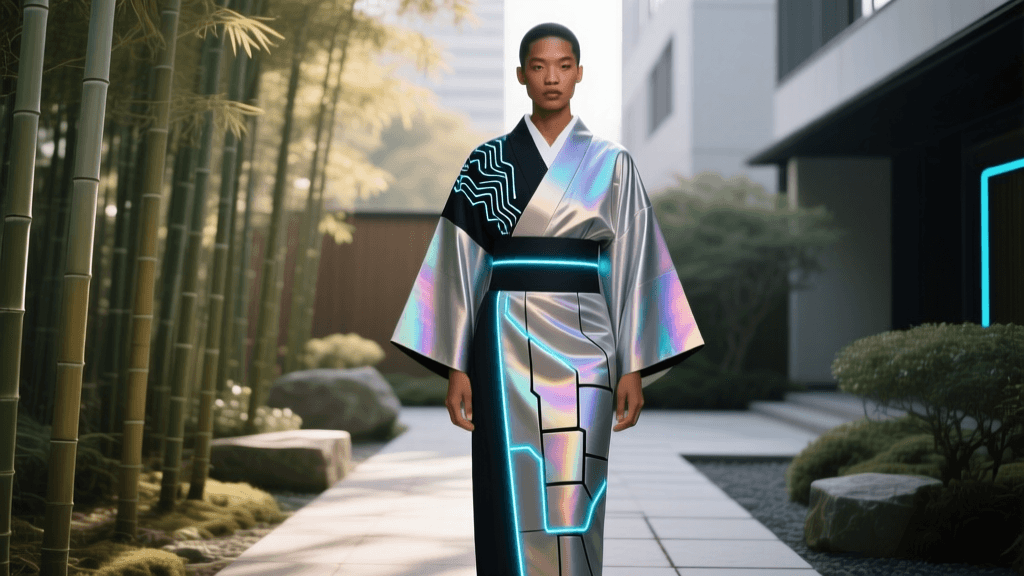
The Intersection of Tradition and Dystopia
When we envision the future of fashion in global pop culture, we rarely picture the Edo period. Yet, the traditional Japanese kimono and its associated garments have become the foundational blueprint for some of the most iconic science fiction and cyberpunk wardrobes in cinematic history. From the flowing, monastic robes of the Jedi Order in Star Wars to the neon-lit, tactical streetwear of Ghost in the Shell and Cyberpunk 2077, Japanese sartorial traditions have profoundly shaped how the world visualizes the future.
The appeal of the kimono silhouette in speculative fiction lies in its architectural geometry. Unlike Western tailoring, which cuts fabric to conform to the curves of the human body, traditional Japanese garments are constructed from straight bolts of fabric, creating a structured, modular silhouette that drapes and layers seamlessly. This modularity translates perfectly to the 'tech-wear' aesthetic, where garments must accommodate armor, wiring, and dystopian survival gear. According to the Victoria and Albert Museum's landmark exhibition on the global impact of the kimono, the garment's T-shaped structure and flat-paneled design have continuously inspired avant-garde and futuristic designers worldwide, proving that ancient traditions are inherently forward-looking.
Iconic Pop Culture Adaptations of Japanese Garments
Star Wars and the Jedi Robes
When costume designer John Mollo won an Academy Award for his work on the original 1977 Star Wars, he drew heavily from Japanese historical dress. Obi-Wan Kenobi’s iconic outer robe is essentially a heavy, distressed haori (a traditional hip- or thigh-length kimono-style jacket), while the layered tunics beneath mimic the kosode (the predecessor to the modern kimono). The use of an obi (sash) to secure the layers and hold a lightsaber is a direct translation of samurai sword-carrying customs.
Cyberpunk and the Tactical Haori
In the cyberpunk genre, the kimono is reimagined as a canvas for technological integration. In the 1995 anime masterpiece Ghost in the Shell, Major Motoko Kusanagi’s thermoptic camouflage trench coats feature wide, drop-shoulder silhouettes and wide sleeves that echo the furisode (long-sleeved kimono). Modern video games like Cyberpunk 2077 feature street gangs and corporate elites wearing LED-lit obi belts and synthetic, waterproof haori jackets adorned with holographic family crests (mon).
Traditional Garments vs. Sci-Fi Adaptations
To understand how to build your own sci-fi-inspired traditional wardrobe, it is essential to map historical garments to their futuristic counterparts. Below is a comparison chart detailing how traditional pieces are adapted for pop culture and modern tech-wear.
| Traditional Garment | Original Function | Sci-Fi / Pop Culture Adaptation | Modern Tech-Wear Styling Tip |
|---|---|---|---|
| Haori | Formal outer jacket worn over a kimono. | Jedi outer robes; Cyberpunk tactical jackets. | Layer over a high-neck compression shirt; add magnetic chest clasps. |
| Hakama | Pleated, wide-leg trousers worn by samurai and martial artists. | Samurai armor under-layers; Neo-Tokyo streetwear pants. | Pair with chunky combat boots; use the pleats to conceal tactical knee pads. |
| Obi | Wide sash used to secure the kimono. | Utility belts; LED-lit waist harnesses. | Replace silk with ballistic nylon; attach modular MOLLE pouches for gear. |
| Jinbei | Casual summer lounge wear made of cotton or hemp. | Dystopian slum-dweller attire; hacker casual-wear. | Use as lightweight base layers; distress the hem for a post-apocalyptic look. |
Sourcing Authentic Pieces for a Tech-Wear Wardrobe
You do not need a Hollywood budget to incorporate traditional Japanese silhouettes into your wardrobe. The global vintage market is rich with authentic pieces that can be upcycled or styled for a futuristic aesthetic. The Metropolitan Museum of Art's Heilbrunn Timeline of Art History notes that the structural integrity of the kimono relies on its straight-line cutting method, meaning vintage pieces can often be disassembled and re-tailored without wasting fabric.
Where to Buy and What to Look For
- Vintage Haori ($30 - $120): Search eBay, Etsy, or Yahoo Auctions Japan (via proxy services like Buyee) for vintage men's or women's haori. Look for synthetic blends (like polyester-cotton mixes from the 1970s) rather than pure silk. Synthetics offer water resistance and durability, making them ideal for outdoor tech-wear.
- Hakama ($40 - $150): Martial arts suppliers sell new, heavy-duty cotton or tetron (polyester-rayon) hakama for under $60. These are designed for rigorous movement and will hold up to the addition of tactical straps and heavy boots.
- Haori Himo (Ties) ($5 - $15): Traditional front ties can be swapped out for modern hardware. Look for pieces with intact inner loops so you can easily thread modern paracord or carabiners through them.
Crucial Measurements
When buying vintage Japanese garments, Western sizing (S, M, L) does not apply. You must understand two key measurements:
- Yuki (Sleeve Length): Measured from the center back of the neck, across the shoulder, and down to the wrist. A standard modern drop-shoulder tech-wear look requires a yuki of at least 75cm to 80cm to achieve that dramatic, elongated sleeve silhouette seen in cyberpunk media.
- Miyatsukuchi (Side Slits): Women's kimono and haori feature open slits under the armpits. In a tech-wear context, these slits are highly functional, allowing for ventilation and providing hidden access to a belt or holster worn underneath the garment.
DIY Modifications: Merging Tradition with Technology
Once you have sourced your base garments, the next step is modifying them to fit the 'tech-wear' aesthetic popularized by brands like Acronym, Y-3, and Rick Owens, while maintaining the garment's traditional soul.
1. Hardware Upgrades
Traditional haori are tied at the front with a braided cord called a haori himo. For a sci-fi upgrade, remove the traditional cord and install Fidlock magnetic buckles or Woojin plastic side-release buckles. You can sew the female end of the buckle to the inner lapel and the male end to a strip of 1-inch nylon webbing. This allows for rapid, one-handed deployment of the jacket, mimicking the quick-release armor seen in sci-fi films.
2. Tactical Webbing and MOLLE Integration
The wide, flat back panel of a haori or the broad sash of an obi provides an excellent canvas for MOLLE (Modular Lightweight Load-carrying Equipment) webbing. Using a heavy-duty needle and waxed thread, sew rows of 1-inch nylon webbing horizontally across the lower back of the jacket. This allows you to clip on modern utility pouches, carabiners, or even decorative LED light strips without permanently altering the base fabric.
3. Weatherproofing Vintage Textiles
If you have sourced a beautiful vintage cotton or hemp jinbei or haori but need it to withstand rain, treat it with a modern DWR (Durable Water Repellent) spray like Nikwax Cotton Proof. This preserves the breathability and historical texture of the garment while giving it the water-beading properties expected of modern cyberpunk streetwear.
Conclusion
The presence of Japanese traditional fashion in global pop culture is not merely an aesthetic choice; it is a testament to the timeless, modular brilliance of the garments. The kimono, haori, and hakama were designed centuries ago to be versatile, layered, and adaptable to the wearer's environment and social status. Today, as we dress for the 'dystopian' realities of modern urban commuting and digital life, these ancient silhouettes offer the perfect fusion of historical elegance and futuristic utility. By sourcing vintage pieces and applying modern tactical modifications, you can build a wardrobe that honors Japanese tradition while stepping boldly into the future.