Navigating Formal Kimono Dress Codes and Etiquette Rules
The Japanese kimono is far more than a beautiful garment; it is a complex, woven language that communicates the wearer's age, marital status, the season, and the precise formality of the occasion. In Japan, the concept of TPO (Time, Place, and Occasion) dictates every sartorial choice. Wearing the wrong kimono to a formal event is not merely a fashion faux pas; it can be interpreted as a sign of disrespect or a lack of cultural awareness. For enthusiasts and practitioners of traditional Japanese arts, mastering kimono etiquette and dress codes is an essential journey into the heart of Asian traditions.
The Hierarchy of Formal Kimono for Women
Women's formal kimono are categorized primarily by their pattern placement, the number of family crests (kamon), and sleeve length. The hierarchy is strict, and understanding these distinctions is crucial for attending weddings, tea ceremonies, and official gatherings.
Kurotomesode: The Pinnacle of Formality
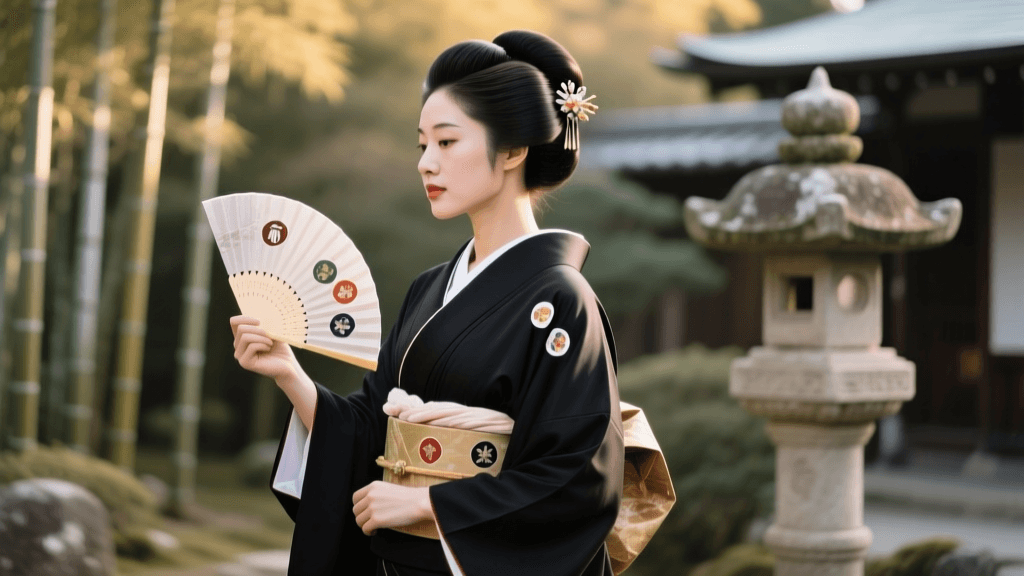
The Kurotomesode (black with short sleeves) is the most formal kimono for married women. It is traditionally worn by the mothers of the bride and groom at weddings. A true kurotomesode is dyed deep black and features the itsutsu-montsuki (five family crests) placed on the back, chest, and sleeves. The defining characteristic is that the ornate, auspicious patterns (such as cranes, pine trees, or flowing water) are located exclusively below the waistline, ensuring they are visible beneath the formal maru obi or fukuro obi.
Furisode: The Elegance of Unmarried Women
For unmarried women, the Furisode (swinging sleeves) is the highest level of formal wear. Recognizable by its dramatically long sleeves, the furisode is worn during Coming of Age Day (Seijin Shiki), university graduations, and when attending weddings as a guest. The sleeve lengths are further subdivided into three categories:
- Ofurisode (Large Furisode): Sleeves measuring approximately 114 cm or more. This is the most formal and dramatic style, often seen on brides during traditional wedding receptions.
- Chufurisode (Medium Furisode): Sleeves measuring around 100 cm. This is the most common standard for formal events and Coming of Age ceremonies.
- Kofurisode (Small Furisode): Sleeves measuring about 85 cm. Slightly more practical, often worn for graduation ceremonies paired with a hakama.
Houmongi and Tsukesage: Semi-Formal Versatility
The Houmongi (visiting wear) is a highly versatile semi-formal kimono suitable for both married and unmarried women. Its defining feature is the eba-moyou technique, where the pattern flows continuously across the seams of the garment when laid flat. It typically bears one to three crests and is appropriate for weddings, formal tea ceremonies, and gallery openings. Slightly below the Houmongi in formality is the Tsukesage. Unlike the Houmongi, the patterns on a Tsukesage do not cross the seams and are generally more subdued, making it perfect for slightly less formal parties and cultural classes.
Men's Formal Kimono Dress Codes
While women's kimono offer a vast spectrum of colors and patterns, men's formal wear is characterized by understated elegance, dark colors, and impeccable tailoring. The highest level of formal wear for men is the Montsuki Hakama. This ensemble consists of a plain black silk kimono (habutae) bearing five white family crests, paired with a striped or solid black hakama (pleated trousers). A white haneri (collar insert) and a formal kaku obi complete the look. This attire is reserved for grooms, immediate family members at funerals, and high-ranking martial arts or tea ceremony masters during official examinations.
The Role of the Obi and Auspicious Motifs
The obi (sash) is not merely a functional belt; it is a critical component of the kimono's formality matrix. For the most formal occasions, a Maru Obi or Fukuro Obi is required. These are heavily brocaded, woven with gold and silver threads, and measure up to 4.5 meters in length. The knot tied at the back, such as the elaborate fukura-suzume (puffed sparrow) or the dignified niju-daiko (double drum), signals the wearer's respect for the event. Conversely, a Nagoya Obi, which is pre-folded and shorter, is reserved for semi-formal or casual wear like the Tsukesage or Komon.
Furthermore, the motifs adorning formal kimono carry deep symbolic weight. For weddings, auspicious patterns known as shouchikubai (pine, bamboo, and plum) represent longevity, resilience, and perseverance. Cranes (tsuru) and turtles (kame) are also ubiquitous, symbolizing a thousand and ten thousand years of life, respectively. Wearing a kimono with cherry blossoms (sakura) to an autumn wedding would be a seasonal mismatch, highlighting the necessity of aligning your garment's flora and fauna with the current month.
Kimono Etiquette for Specific Occasions
To navigate formal events seamlessly, refer to this structured guide matching the occasion with the appropriate garment, obi, and footwear.
| Occasion | Women's Kimono | Men's Kimono | Footwear & Accessories |
|---|---|---|---|
| Wedding (Mother of Bride/Groom) | Kurotomesode (5 crests) | Montsuki Hakama (5 crests) | White Tabi, Gold/Silver Zori |
| Wedding Guest (Unmarried) | Furisode (Chufurisode) | Montsuki Hakama or Formal Suit | White Tabi, Brocade Zori |
| Formal Tea Ceremony | Houmongi or Tsukesage (1-3 crests) | Edo Komon or Montsuki | White Tabi, Leather or Silk Zori |
| Graduation Ceremony | Kofurisode or Komon with Hakama | Kimono with Hakama | White Tabi, Leather Zori or Boots |
Essential Rules of Kimono Wearing and Etiquette
Beyond selecting the correct garment, the physical act of wearing the kimono (kitsuke) is governed by strict rules. According to experts documented by the Victoria and Albert Museum's renowned kimono collection, the structural integrity and symbolic meaning of the garment rely heavily on these practices.
The Golden Rule: Left Over Right
The most critical rule in kimono etiquette is that the left side of the kimono must always wrap over the right side. Wrapping right over left (migimae) is strictly reserved for dressing the deceased for burial. Getting this wrong is considered highly inauspicious and offensive. A helpful mnemonic for English speakers is that your right hand should be able to slip easily into the chest fold of the kimono.
Collar Alignment and the Nape
The collar (eri) must form a neat, symmetrical 'V' shape at the front, revealing the haneri (decorative under-collar). At the back, the collar is pulled down slightly to expose the nape of the neck, a practice known as eri-nuki. In traditional Japanese aesthetics, the nape is considered one of the most alluring and elegant parts of the body. For highly formal kimono like the kurotomesode, the collar is pulled down further (about a fist's width) compared to semi-formal wear.
Seasonality: Awase, Hitoe, and Usuwata
Formality also intersects with seasonality. Wearing a winter-lined kimono in the peak of summer is a major breach of etiquette.
- Awase (Lined): Worn from October to May. The silk exterior is lined with a lighter silk or synthetic interior.
- Hitoe (Unlined): Worn exclusively in June and September. It consists of a single layer of silk, offering breathability during transitional weather.
- Usumono / Ro / Sha (Sheer): Worn in July and August. These are woven with open gaps in the silk threads to allow maximum airflow during the humid Japanese summer.
Footwear: Zori vs. Geta
Footwear must match the formality of the kimono. For all formal and semi-formal occasions, Zori (flat, woven or brocade sandals) are mandatory, always paired with pristine white Tabi (split-toe socks). Geta (wooden clogs) are strictly casual and should only be worn with Yukata or casual wool/cotton kimono. Wearing Geta with a Furisode or Houmongi immediately downgrades the formality of the outfit and is considered inappropriate for events like weddings.
Preserving the Tradition
Understanding these dress codes ensures that the wearer honors the artisans who spent countless hours weaving, dyeing, and embroidering the silk. As noted in the Metropolitan Museum of Art's Heilbrunn Timeline of Art History, the kimono is a canvas that reflects the social and cultural shifts of Japan, yet its core rules of etiquette remain a steadfast anchor to its historical roots. Whether you are renting a set in Kyoto for a tea ceremony or attending a formal diaspora wedding abroad, respecting the TPO and the physical rules of kitsuke demonstrates a profound appreciation for Asian traditions.
For those looking to deepen their knowledge before attending a formal event, consulting resources from the Japan National Tourism Organization's guide to traditional culture can provide valuable regional insights, as subtle variations in obi tying and crest placement can sometimes differ between the Kanto and Kansai regions. Ultimately, wearing a kimono is an act of mindfulness, connecting the modern wearer to centuries of refined aesthetic philosophy.