Top Chinese Fashion Creators Documenting Hanfu Trends in 2026
The Renaissance of Chinese Fashion Journalism in 2026
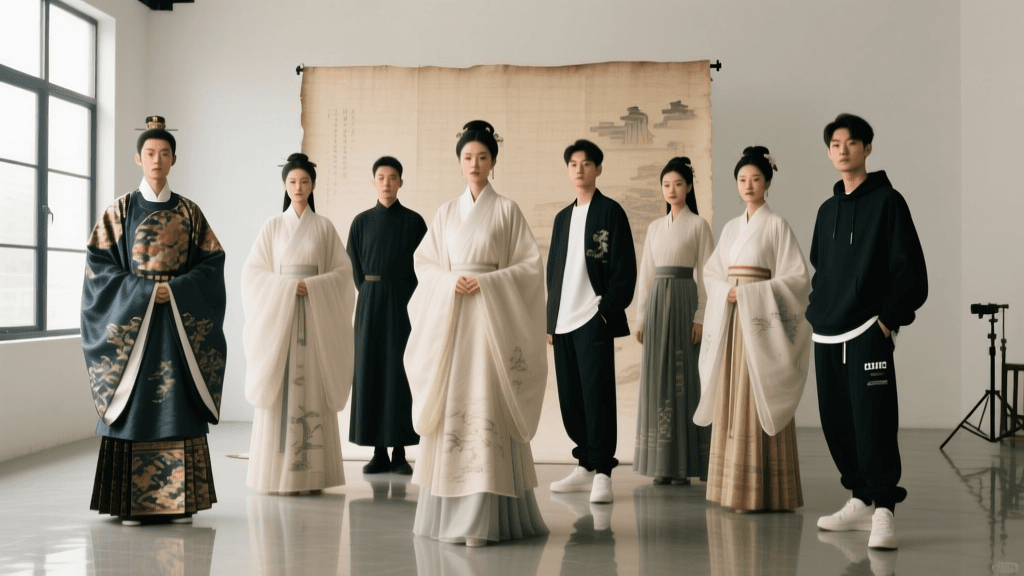
The landscape of fashion journalism in China has undergone a monumental shift as we navigate through 2026. No longer solely fixated on Western luxury houses or Parisian runways, the most influential Chinese fashion bloggers and content creators are turning their lenses inward. They are meticulously documenting, analyzing, and revitalizing traditional Chinese garments. From the flowing sleeves of Song dynasty-inspired Hanfu to the structured elegance of the Mamianqun (horse-face skirt), a new generation of digital journalists is bridging the gap between ancient textile heritage and contemporary street style.
This movement, deeply intertwined with the Guochao (national trend) phenomenon, has evolved from a niche subculture into a multi-billion-dollar industry. According to Jing Daily's market analysis, the domestic appetite for heritage fashion has matured. Consumers in 2026 are no longer satisfied with superficial costume replicas; they demand historical accuracy, artisanal craftsmanship, and sustainable production methods. Consequently, fashion journalism has adapted. Independent creators on platforms like Xiaohongshu, Bilibili, and Douyin are acting as modern-day historians, textile scientists, and style curators, providing their audiences with deeply researched, visually stunning content.
Key Niches Among Traditional Garment Content Creators
To succeed in the crowded digital space of 2026, Chinese fashion journalists have carved out highly specialized niches. These sub-genres of content creation require not just an eye for aesthetics, but a profound understanding of the historical evolution of Hanfu and regional textile techniques.
Historical Textile Restoration and Analysis
Some of the most respected creators in 2026 are those who treat fashion journalism as an archaeological science. These bloggers purchase fragmented antique textiles or collaborate with museum conservationists to study Ming and Qing dynasty weaving techniques. Using macro photography and 3D scanning, they break down the complex structures of kesi (silk tapestry) and yunjin (cloud brocade). Their long-form video essays and illustrated articles educate their followers on how to identify authentic hand-loomed silk versus mass-produced jacquard, empowering consumers to make informed, ethical purchases.
Modern Mamianqun Styling and Daily Wear
The Mamianqun has transcended ceremonial wear to become a staple in the modern Chinese wardrobe. Fashion influencers focusing on this niche provide actionable styling guides for urban professionals. A popular content format in 2026 involves 'Capsule Wardrobe' challenges, where creators demonstrate how to pair a traditional pleated Mamianqun with contemporary tailored blazers, turtlenecks, and modern footwear. These journalists interview contemporary tailors in Shanghai and Hangzhou, discussing the precise alterations needed to make heavy silk skirts practical for commuting on the subway or sitting in corporate boardrooms.
Sustainable Dyeing and Artisan Spotlights
With global attention on eco-friendly fashion, Chinese creators are traveling to remote villages in Guizhou and Yunnan to document indigenous dyeing methods. They produce immersive, slow-fashion vlogs showcasing the meticulous process of extracting indigo, madder root, and gallnut dyes. By highlighting the artisans behind these sustainable practices, these bloggers are not only preserving intangible cultural heritage but also creating ethical supply chains that connect rural craftspeople directly with urban fashion enthusiasts.
Platform Dynamics: Where Traditional Fashion Thrives
Understanding the algorithmic preferences of different social platforms is crucial for fashion journalists in 2026. Each platform serves a distinct purpose in the content ecosystem, requiring tailored formats and storytelling approaches. Below is a comparative analysis of the primary platforms driving the traditional fashion conversation this year.
| Platform | Primary Content Format | Audience Demographic | Best Use Case for Heritage Fashion |
|---|---|---|---|
| Xiaohongshu (RED) | Visual essays, carousels, short vlogs | Gen Z & Millennials, urban females | Outfit styling, textile reviews, and boutique tailoring recommendations. |
| Bilibili | Long-form video, documentaries | Gen Z, history enthusiasts, students | Deep-dive historical analysis, museum collaborations, and weaving tutorials. |
| Douyin | Short-form viral video, live streams | Broad demographic, mass market | Quick styling transformations, trend forecasting, and live artisan sales. |
| WeChat Channels | Integrated articles, private domain live | Older Millennials, Gen X, high-net-worth | Bespoke tailoring consultations, exclusive heritage brand drops, and VIP events. |
In 2026, Xiaohongshu introduced its 'Heritage Creator' algorithm boost, heavily favoring high-resolution macro photography of textiles and well-cited historical captions. Meanwhile, Bilibili remains the undisputed king of long-form educational content, where creators frequently upload 40-minute documentaries analyzing the drape and cut of unearthed garments, supported by Sixth Tone's extensive cultural reporting on youth engagement with history.
Monetization and Brand Collaborations for Heritage Creators
The business model for Chinese fashion journalists has diversified significantly. In 2026, reliance on simple banner ads or generic sponsorships is obsolete. Top creators in the traditional garment space are building sustainable businesses through several innovative avenues:
- Heritage Brand Consultancy: Established silk manufacturers in Shengze and Suzhou hire popular bloggers as creative directors or consultants to ensure their new 2026 collections align with historical accuracy and modern aesthetic demands.
- Paid Subscriptions and Newsletters: Many journalists utilize WeChat's paid article features or independent Substack-equivalent platforms to offer premium content. This includes exclusive interviews with master weavers, early access to bespoke tailoring slots, and detailed sourcing directories.
- Co-Branded Capsule Collections: Influencers partner directly with artisan cooperatives to release limited-edition garments. By cutting out middlemen, creators ensure fair wages for rural embroiderers while offering their audience verified, ethically produced traditional wear.
- Cultural Tourism Partnerships: Regional tourism boards in provinces like Sichuan and Zhejiang sponsor creators to design 'Hanfu Travel Itineraries,' blending fashion journalism with experiential travel content.
Essential Tools for Aspiring Traditional Fashion Bloggers
For those looking to enter the field of traditional Asian fashion journalism in 2026, the technical barrier to entry requires specific gear tailored to capturing the intricate details of heritage textiles. Standard fashion vlogging equipment is often insufficient for the nuanced demands of silk brocade and delicate embroidery.
- Macro Photography Gear: The Sony A7R V paired with a 90mm f/2.8 Macro G OSS lens is the industry standard this year. It allows creators to capture the individual silk threads and metallic gold leafing in traditional weaving, which is critical for educational content.
- Lighting for Texture: Raking light is essential to show the texture of damask and jacquard. Creators rely on portable, high-CRI LED panels like the Aputure Amaran T4c to accurately render the complex, multi-layered colors of natural plant dyes without color banding.
- AI Translation and Localization: To reach a global audience, top Chinese bloggers utilize advanced AI localization tools integrated into their editing suites. These tools automatically generate context-aware subtitles that accurately translate specialized fashion terminology (e.g., translating 'Mamianqun' with contextual historical footnotes rather than just 'horse-face skirt') for Western audiences on YouTube and TikTok.
- Color Calibration: Because natural dyes shift in appearance under different lighting, creators use X-Rite ColorChecker passes during their shoots to ensure the digital representation of the garment perfectly matches the physical textile, a critical factor for consumer trust.
The Global Impact of Chinese Heritage Fashion Media
The influence of these Chinese content creators is no longer confined to domestic borders. In 2026, the global fashion community is closely watching the meticulous work of Chinese digital journalists. International design students, textile conservators, and global fashion houses are increasingly turning to Xiaohongshu and Bilibili as primary research databases for East Asian textile history and silhouette construction.
By demanding rigor, transparency, and respect for cultural origins, these creators have effectively combated years of cultural appropriation and fast-fashion knockoffs. They have established a digital gold standard for how traditional garments should be discussed, sourced, and worn. As the year progresses, the fusion of ancient craftsmanship with cutting-edge digital journalism continues to prove that traditional Asian garments are not relics of the past, but dynamic, living components of the global fashion dialogue.