Hanfu Global Runways 2026: Mamianqun Couture Trends
The Renaissance of Hanfu on the 2026 Global Stage
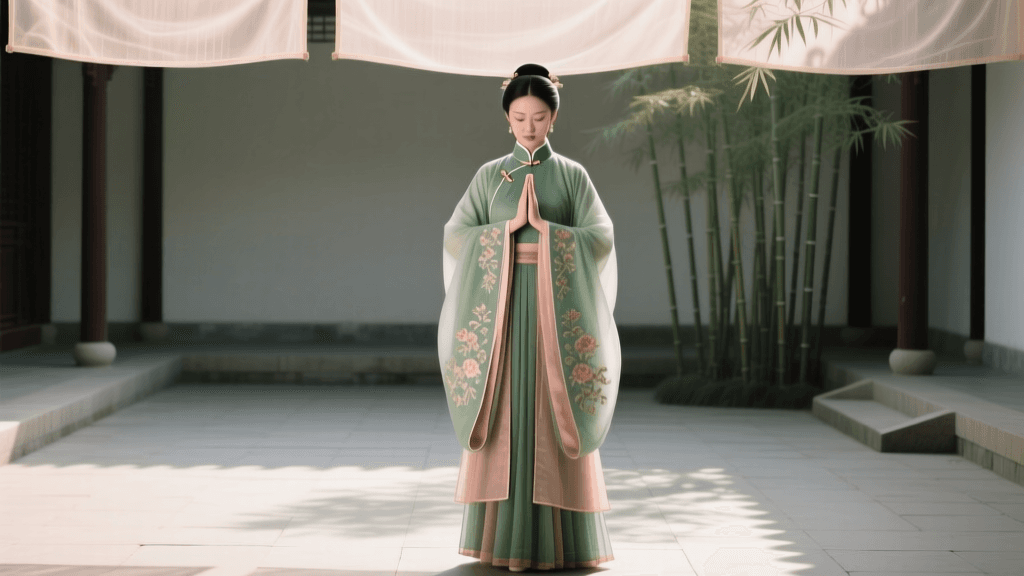
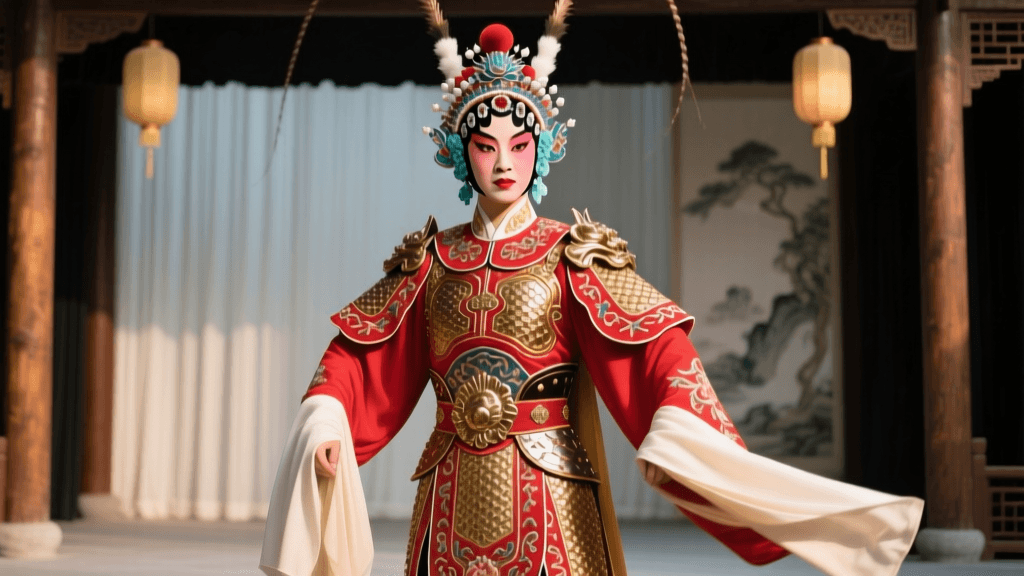
As the global fashion industry embraces cultural heritage with unprecedented reverence in 2026, traditional Chinese Hanfu has transcended its niche revivalist roots to become a commanding presence on the world's most prestigious runways. No longer confined to historical reenactments or street-style subcultures, Hanfu silhouettes are now being deconstructed, reimagined, and elevated by both heritage houses and avant-garde designers in Paris, Milan, and New York. The 2026 Spring/Summer and Fall/Winter seasons have witnessed a profound integration of ancient dynastic tailoring into contemporary haute couture, signaling a permanent shift in the global fashion lexicon.
According to market analysis by The Business of Fashion, the global appetite for culturally resonant, heritage-driven garments has surged, with the Hanfu market expanding well beyond domestic borders to influence international luxury conglomerates. Designers are increasingly looking to the structural ingenuity of ancient Chinese garments—particularly the flat-cutting techniques and zero-waste patterning of the Ming and Song dynasties—to address modern demands for sustainability and architectural elegance.
Mamianqun: The Breakout Star of Paris Fashion Week 2026
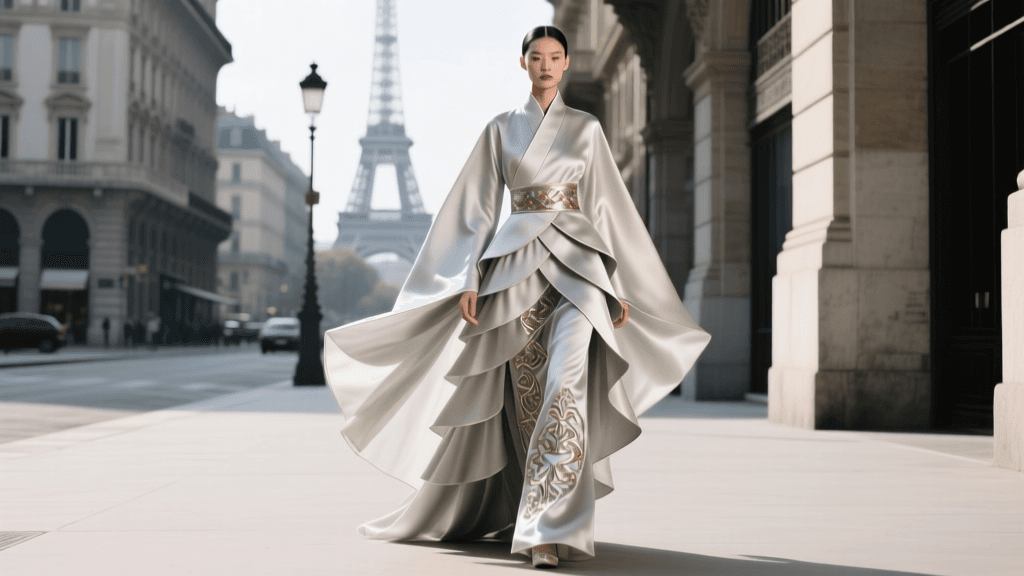
If there is one garment that has unequivocally conquered the 2026 Paris Fashion Week runways, it is the Mamianqun, historically known as the 'horse-face' skirt. Originating in the Song dynasty and popularized during the Ming, the Mamianqun is characterized by its flat front and back panels flanked by intricately pleated sides. In 2026, top-tier designers have adopted this silhouette, transforming it from a traditional ceremonial piece into a symbol of modern sartorial power.
On the Parisian runways this year, the Mamianqun has been reimagined through a lens of structural futurism and eco-luxury. Designers are experimenting with asymmetrical hemlines, where the traditional uniform drop is replaced by cascading, hand-kerchiefed edges that mimic the flow of ink wash paintings. The pleats, historically pressed into uniform widths, are now being heat-set into organic, undulating waves using advanced bio-resin treatments that maintain the fabric's drape without the need for synthetic stiffeners.
Structural Innovations in Pleating and Weaving
The textile engineering behind the 2026 runway Mamianqun is nothing short of revolutionary. Traditional silk damask and brocade have been supplemented with lab-grown spider silk and regenerated cellulose fibers, offering a luminous sheen that rivals historical Zhangzhou velvet but with a fraction of the environmental footprint. The iconic woven motifs—dragons, phoenixes, and botanical scrolls—are now being rendered using 3D jacquard looms that integrate micro-fine metallic threads, creating a subtle, kinetic shimmer as the model moves down the runway.
Furthermore, the waistband construction has seen significant ergonomic upgrades. While traditional Mamianqun relied on complex wrapping and tying mechanisms that required significant practice, the 2026 couture iterations feature hidden, magnetic closure systems encased in silk-woven grosgrain, allowing for a flawless, seamless fit that accommodates diverse body types without compromising the historical integrity of the flat front panels.
Song Dynasty Minimalism Meets Milanese Tailoring
While Paris embraced the theatricality of the Ming dynasty, Milan Fashion Week 2026 turned its gaze toward the understated elegance of Song dynasty minimalism. The Beizi—a long, open-front coat with side slits and straight sleeves—has emerged as the ultimate luxury outerwear staple for the modern wardrobe. Milanese tailors, renowned for their precise construction, have found a kindred spirit in the Song dynasty's emphasis on clean lines, subtle textures, and restrained ornamentation.
In 2026, the runway Beizi is crafted from heavyweight, double-faced crepe and matte silk wool blends. The traditional drop-shoulder seam has been refined to sit precisely at the edge of the clavicle, creating a relaxed yet commanding silhouette that bridges the gap between a classic European trench coat and traditional Eastern robes. The side slits, which historically allowed for ease of movement while riding or walking, have been extended and reinforced with invisible mesh panels, offering dramatic flashes of the inner lining—a technique that adds a layer of modern sensuality to a deeply conservative historical garment.
Eco-Couture: Natural Dyes and Sustainable Silk in 2026
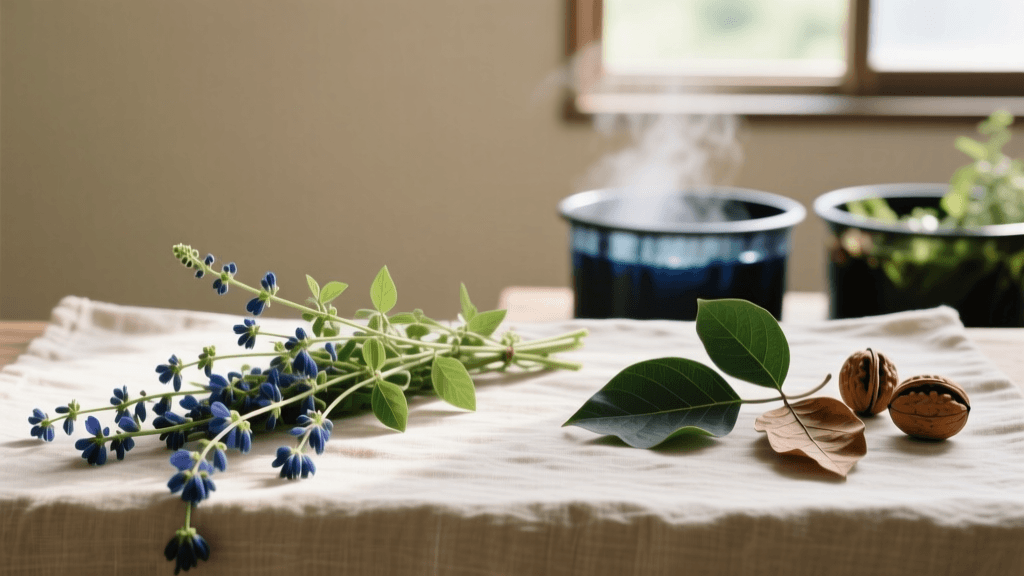
A defining characteristic of Hanfu's presence on the 2026 runways is the uncompromising commitment to sustainable, natural dyeing methods. Moving away from the harsh, petrochemical dyes that dominated the late 20th century, contemporary Hanfu couturiers are reviving ancient botanical dyeing techniques, scaling them for high-fashion production.
Runway collections this year feature deep, complex hues derived from madder root, indigo, and gallnuts, mordanted with natural alum and iron to ensure colorfastness. The resulting palette—rich terracottas, deep celadons, and midnight blues—possesses a living, breathing quality that synthetic dyes simply cannot replicate. As documented in the historical textile archives at the Victoria and Albert Museum, these natural dyeing methods were once the exclusive purview of imperial workshops; today, they are the hallmark of ethical luxury fashion.
Runway to Real Life: Styling Haute Hanfu in 2026
Translating these breathtaking runway concepts into a wearable, everyday wardrobe requires a nuanced understanding of proportion and fabric weight. The beauty of the 2026 Hanfu revival lies in its modularity. Here is how you can integrate these high-fashion elements into your contemporary wardrobe:
- The Modern Mamianqun Pairing: For a sophisticated office or evening look, pair a mid-length (85 cm) woven jacquard Mamianqun with a sharply tailored, structured blazer. Tuck a fine-gauge merino turtleneck into the skirt's waistband to maintain a clean silhouette.
- The Beizi as a Duster: Utilize a lightweight, unlined silk Beizi as a summer duster over a minimalist slip dress or wide-leg linen trousers. The side slits provide excellent ventilation and dramatic movement.
- Footwear Considerations: Abandon the traditional cloud-toe shoes for everyday wear. Instead, ground the voluminous skirts and coats with modern, architectural footwear such as square-toe leather boots or minimalist leather loafers to anchor the historical elements in the present day.
Comparison: Traditional Hanfu vs. 2026 Runway Adaptations
| Garment Element | Traditional Specification | 2026 Runway Adaptation | Everyday Styling Tip |
|---|---|---|---|
| Mamianqun Pleats | Uniform knife pleats, cotton/silk | Organic heat-set waves, bio-silk | Pair with a cropped leather jacket for contrast. |
| Beizi Shoulders | Deep drop-shoulder, wide sleeves | Refined clavicle drop, tapered cuffs | Belt loosely at the back to create waist definition. |
| Closures | Fabric knot buttons, ties | Hidden magnetic clasps, silk grosgrain | Ensure magnetic seams align perfectly before sitting. |
| Dyes | Synthetic or basic plant dyes | Complex botanical mordants, metallic threads | Dry clean only to preserve natural madder and indigo hues. |
Sourcing and Investing in Runway-Inspired Hanfu
For enthusiasts and collectors looking to acquire pieces inspired by the 2026 runway collections, the market offers a tiered approach to investment. At the apex are bespoke couture houses in Suzhou and Hangzhou, where master weavers create custom Mamianqun using traditional Kesi (silk tapestry) techniques integrated with modern metallic threads. These bespoke pieces typically range from $1,500 to $4,500 and require a lead time of three to six months.
For those seeking accessible luxury, several emerging designer brands bridging the East-West divide are offering ready-to-wear collections that capture the essence of the 2026 runways. These pieces, utilizing high-quality regenerated silks and natural dyes, are priced between $250 and $600. When investing in these garments, always verify the fiber content and dyeing process; true 2026 eco-couture will explicitly detail the botanical origins of its colors and the sustainable certifications of its textiles.
The integration of Hanfu into the global fashion mainstream in 2026 is not merely a fleeting trend; it is a profound recognition of the architectural brilliance and aesthetic depth of traditional Chinese garment-making. By honoring the past while aggressively innovating for the future, today's designers are ensuring that the legacy of Hanfu will continue to grace the world's most celebrated stages for generations to come.