Sustainable Japanese Natural Dye Plants: Kusaki-Zome Guide 2026
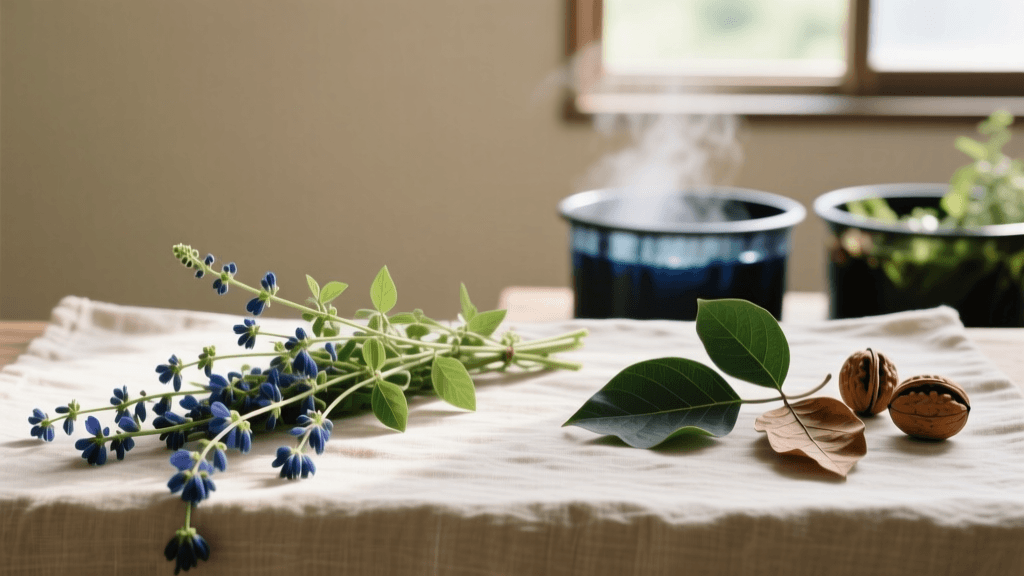
The 2026 Renaissance of Kusaki-Zome
The global fashion and textile industry's pivot toward regenerative agriculture in 2026 has placed a brilliant spotlight on Kusaki-zome, the traditional Japanese art of plant dyeing. Unlike the synthetic-heavy, water-polluting supply chains of the past decade, today's artisans, eco-conscious hobbyists, and sustainable fashion houses are turning to Japanese natural dye plants to create vibrant, colorfast textiles with a net-zero carbon footprint. Kusaki-zome is no longer just a historical artifact preserved in museums; it is a cornerstone of the 2026 circular fashion movement.
At the heart of this revival is a strict adherence to zero-waste methodologies. Modern practitioners are utilizing food byproducts, pruned branches, and locally foraged weeds to extract complex, nuanced colors that synthetic dyes simply cannot replicate. Furthermore, the shift away from toxic heavy-metal mordants toward plant-based and upcycled fixatives has made Kusaki-zome one of the most environmentally benign textile practices available today. In this comprehensive guide, we explore the top Japanese natural dye plants for your 2026 eco-friendly garden and provide actionable, zero-waste extraction protocols.
Top Japanese Natural Dye Plants for Eco-Friendly Gardens
Ai (Persicaria tinctoria) - The Living Blue
Japanese Indigo, or Ai, remains the undisputed king of natural dye plants. In 2026, organic Persicaria tinctoria seeds are highly sought after, with heritage varieties from Tokushima Prefecture leading the market. Unlike tropical indigo (Indigofera tinctoria), Japanese indigo thrives in temperate climates and can be grown in backyard raised beds or large containers.
Cultivation Tips for 2026: Ai requires a soil pH between 6.0 and 6.5. Sow seeds indoors in early spring, transplanting them outdoors once the soil temperature consistently reaches 18°C (65°F). To prevent premature bolting during the intense heat waves common in late summer, utilize 30% shade cloth. Harvest the leaves just before the plant flowers, typically in late August. The 2026 market price for certified organic Ai seeds hovers around $12 per 5-gram packet, a worthwhile investment for yielding enough fresh leaves to dye up to 500 grams of silk or cotton using the namaba (fresh leaf) method.
Kurumi (Juglans ailantifolia) - The Tannin Powerhouse
The Japanese Walnut, or Kurumi, is a masterclass in zero-waste utility. While the nuts are harvested for culinary use and the wood is prized for furniture, the discarded green hulls are an incredibly potent source of juglone and tannins. This yields a deep, rich brown that is highly lightfast and washfast.
Eco-Benefit: Because Kurumi hulls are naturally rich in tannins, they act as a substantive dye. This means they bond directly to cellulose fibers (like cotton and linen) without the need for an alum mordant, drastically reducing the water and chemical footprint of your dyeing process. Foraging fallen hulls in autumn costs nothing and diverts organic waste from landfills.
Kihada (Phellodendron amurense) - Sustainable Yellow
The Amur Cork Tree, or Kihada, produces a brilliant, neon-leaning yellow due to its high berberine content. Historically, harvesting Kihada required stripping the bark, which often killed the tree. However, modern 2026 agroforestry practices emphasize sustainable pruning. By harvesting only the naturally shedding outer cork bark and small pruned branches during winter dormancy, artisans can extract vibrant yellows while allowing the tree to continue sequestering carbon.
2026 Eco-Impact Comparison of Japanese Dye Plants
When planning a sustainable dye garden or sourcing materials, it is crucial to understand the resource inputs and ecological outputs of each plant. Below is a comparison chart based on current 2026 regenerative textile standards.
| Plant Species | Color Yield | Mordant Required | Water Usage (L/kg fiber) | 2026 Eco-Rating |
|---|---|---|---|---|
| Ai (Persicaria tinctoria) | Vibrant Blue | None (Vat reduction) | 15L (Fresh leaf method) | ★★★★★ |
| Kurumi (Walnut Hulls) | Deep Brown | None (High Tannin) | 20L | ★★★★★ |
| Kihada (Cork Tree Bark) | Bright Yellow | Alum or Symplocos | 25L | ★★★★☆ |
| Tamanohada (Knotweed) | Soft Pink/Peach | Alum | 30L | ★★★★☆ |
Zero-Waste Extraction & Eco-Mordanting Protocols
Achieving professional-grade results at home requires precision. The days of guessing measurements are over; modern Kusaki-zome relies on the Weight of Fiber (WOF) metric to ensure reproducibility and minimize wasted plant material.
Step-by-Step: Kurumi (Walnut) Zero-Waste Extraction
- Preparation: Collect 200g of dried, blackened walnut hulls. Wear nitrile gloves, as juglone will stain skin instantly.
- Simmering: Place the hulls in a stainless steel pot with 4 liters of filtered water. Slowly bring the temperature to 80°C (176°F). Never boil tannin-rich dyes, as high heat breaks down the tannins and results in a muddy, dull brown.
- Steeping: Maintain the 80°C temperature for 60 minutes. Turn off the heat and allow the pot to cool to room temperature naturally. For deeper shades, leave the hulls in the dye bath overnight.
- Filtration: Strain the liquid through upcycled cotton muslin. The spent hulls can now be composted or dried and burned as autumn fire starters, ensuring zero waste.
- Dyeing: Add 100g of pre-scoured, wetted cotton or linen fabric. Heat gently to 60°C for 45 minutes, stirring constantly to prevent splotching.
Step-by-Step: Ai (Indigo) Fresh Leaf Namaba-Zome
While traditional sukumo (composted indigo) requires a 90-day fermentation process and an alkaline vat, the namaba (fresh leaf) method is perfect for immediate, eco-friendly summer dyeing.
- Harvesting: Pick 300g of fresh Ai leaves early in the morning when the indigo precursor (indican) levels are highest.
- Blending: Immediately blend the leaves with 1.5 liters of ice-cold water. The water temperature must remain below 20°C (68°F) to prevent the enzyme from prematurely oxidizing the indigo before it reaches the fiber.
- Straining: Quickly strain the green liquid through a fine mesh sieve into a shallow, wide basin.
- Dipping: Submerge 100g of pre-mordanted silk or cellulose fiber into the green bath. Knead the fabric gently for exactly 3 minutes.
- Oxidation: Remove the fabric and hang it in the open air. Watch as the oxygen transforms the green liquid into a brilliant, permanent blue. Repeat the dip-and-oxidize process 3 to 5 times for a deeper shade.
Sourcing 2026 Eco-Certified Mordants
The most significant environmental hazard in traditional natural dyeing has historically been the use of heavy metal mordants like chrome and copper, which are toxic to aquatic ecosystems. In 2026, the Kusaki-zome community has overwhelmingly adopted bio-mordants and naturally occurring mineral alternatives.
According to natural dye educators at Botanical Colors, the gold standard for eco-friendly mordanting is now Symplocos paniculata. This plant naturally accumulates aluminum from the soil into its leaves. By simmering Symplocos leaves, dyers can create an alum-rich mordant bath that is 100% biodegradable and completely non-toxic. For shifting colors (such as turning walnut brown into a deep charcoal grey), artisans are utilizing upcycled rust water—created by soaking discarded iron nails in a vinegar-water solution—rather than purchasing commercial iron powder.
Furthermore, for cellulose fibers like cotton and hemp, a soy milk binder (mixed at a 1:10 ratio with water) is used to deposit plant proteins onto the fiber, allowing tannin and anthocyanin dyes to grip the fabric without any metallic salts. The Tokushima Prefecture, globally renowned for its Awa-ai indigo heritage, has heavily promoted these bio-mordant techniques in their 2026 sustainability initiatives to protect local river ecosystems from chemical runoff.
Integrating Kusaki-Zome into Modern Textile Arts
As documented by the Japan Foundation's traditional craft registry, the preservation of Japanese dyeing techniques relies on their adaptation to modern ecological realities. By cultivating Persicaria tinctoria in urban gardens, foraging Kurumi hulls, and utilizing plant-based mordants, contemporary makers are ensuring that Kusaki-zome remains a vibrant, living tradition.
Whether you are dyeing a silk scarf for a family ceremony, upcycling thrifted cotton garments, or creating bespoke textiles for a sustainable fashion line, Japanese natural dye plants offer an unparalleled intersection of cultural heritage and environmental stewardship. Embracing these zero-waste methods in 2026 not only yields breathtaking, living colors but also actively participates in the healing of our global textile ecosystem.