Sourcing Authentic Bespoke Qipao Online: 2026 Buyer Guide
The Resurgence of the Bespoke Qipao in 2026
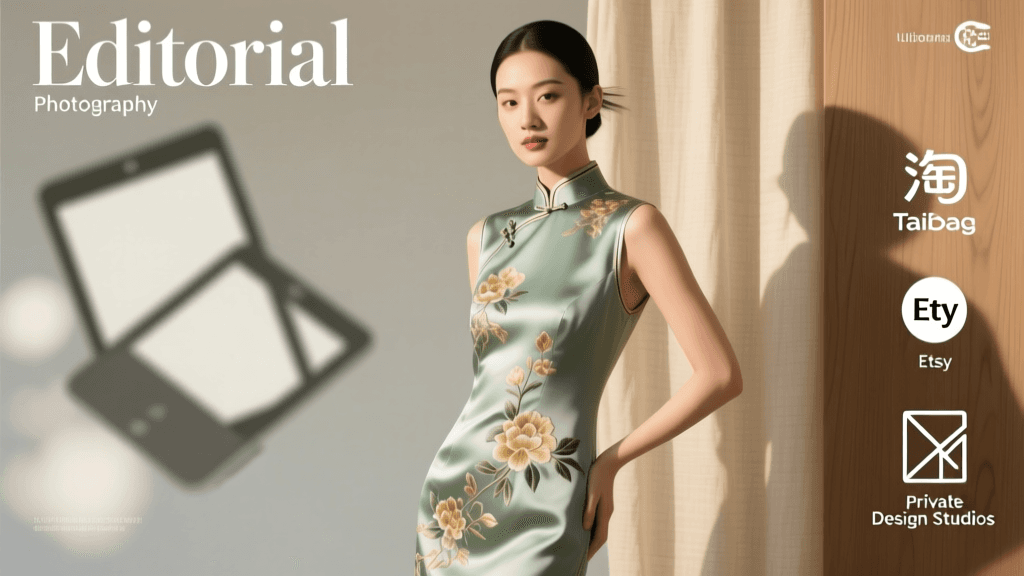
The global appreciation for Asian traditional garments has reached new heights in 2026, driven by a renewed interest in heritage craftsmanship and the continuing influence of the Guochao (national trend) movement. Among the most sought-after garments is the Qipao (or Cheongsam), a masterclass in elegant tailoring and cultural symbolism. However, as demand has surged, so has the proliferation of mass-produced, fast-fashion knockoffs that misrepresent the garment's rich history. For serious collectors, cultural enthusiasts, and those seeking authentic ceremonial wear, navigating the digital landscape requires a discerning eye.
Sourcing a genuine, custom-made Qipao online is no longer restricted to those who can visit the historic tailors of Shanghai or Hong Kong in person. Today's digital marketplaces offer unprecedented access to master artisans, heritage silk weavers, and independent designers. This comprehensive 2026 guide will walk you through the best online platforms for commissioning an authentic Qipao, what construction details to look for, and how to avoid common e-commerce pitfalls.
Defining Authenticity: The Anatomy of a True Qipao
Before adding an item to your cart, it is crucial to understand what separates a traditional Qipao from a modern, Westernized party dress. Authenticity lies in the construction, the fabric, and the hardware.
Traditional Flat Pattern Cutting
Unlike Western garments that rely on darts and complex seaming to contour the body, a traditional Qipao is crafted using flat pattern cutting. The fabric is folded and cut in a way that follows the natural lines of the body without aggressive tailoring. This technique preserves the integrity of the textile's pattern—especially vital when using heavily embroidered or brocaded silks—and provides a graceful, fluid drape rather than a skin-tight squeeze.
Handmade Pankou (Frog Closures)
The Pankou knots are the soul of the Qipao. In authentic bespoke pieces, these are entirely handcrafted from silk-wrapped cords, shaped into intricate floral, geometric, or animal motifs. They serve as both functional fasteners and artistic focal points. Machine-stitched or glued synthetic knots are an immediate indicator of a mass-produced garment.
Heritage Silk Textiles
True Qipao are crafted from premium natural fibers. In 2026, the most prized materials include Xiangyunsha (gambiered Guangdong silk, known for its earthy, water-resistant finish), Song brocade (featuring complex, raised geometric weaves), and premium mulberry silk crepe. As recognized by UNESCO's Intangible Cultural Heritage list, traditional sericulture and silk craftsmanship remain vital to the authenticity of these garments, ensuring that the textiles support centuries-old agricultural and weaving communities.
Navigating 2026's Top Online Marketplaces
Finding the right platform depends on your budget, your desire for customization, and your willingness to navigate cross-border logistics. Here are the premier digital destinations for Qipao shopping this year.
1. Taobao and Tmall Global (Direct Heritage Brands)
For buyers willing to navigate the Chinese e-commerce ecosystem (often with the help of a cross-border shopping agent like CSSBuy or Sugargoo), Taobao and Tmall offer the most direct access to heritage brands and master tailors. Brands like Ruifuxiang and Longfeng maintain official Tmall storefronts where you can order made-to-measure pieces using their 2026 AI-assisted virtual fitting rooms. By inputting your precise measurements and scanning your body via smartphone, the platform's algorithms suggest the optimal flat-cut adjustments. Expect to pay between $400 and $1,200 for authentic silk pieces, with lead times of 3 to 5 weeks.
2. Etsy (Independent Global Artisans)
Etsy remains a powerhouse for buyers in North America and Europe who want bespoke Qipao without the language barrier or complex international shipping logistics. In 2026, a new wave of diaspora designers and trained tailors have set up shop on Etsy, offering semi-custom and fully bespoke services. When searching, use specific terms like "handmade Pankou Qipao," "flat-cut Cheongsam," or "Song brocade Qipao." Always message the seller to request photos of the interior seam binding (which should be hand-rolled silk) and the back of the embroidery. Prices on Etsy typically range from $600 to $2,500, reflecting the high cost of labor and imported heritage fabrics.
3. Instagram and WeChat Private Studios
The most exclusive, museum-quality Qipao are often not listed on public marketplaces at all. Instead, master tailors operate private studios via WeChat and Instagram. These artisans cater to a high-end clientele, offering one-on-one virtual consultations, fabric swatch mailings, and meticulous hand-finishing. Finding them requires following hashtags like #BespokeQipao, #TraditionalCheongsam, and #Xiangyunsha. While the onboarding process is more intimate and requires direct communication, the result is a true heirloom garment. The evolution and historical context of these high-end pieces are beautifully documented in the Metropolitan Museum of Art's extensive Cheongsam collection, which serves as a great visual reference when discussing your design needs with a private tailor.
2026 Marketplace Comparison Chart
| Marketplace | Customization Level | Estimated Price Range (USD) | Lead Time | Best For |
|---|---|---|---|---|
| Taobao / Tmall | High (Made-to-Measure) | $400 - $1,200 | 3 - 5 Weeks | Access to heritage brands & AI fitting |
| Etsy | Medium to High (Bespoke) | $600 - $2,500 | 4 - 8 Weeks | English-speaking buyers, easy returns |
| Private Studios (IG/WeChat) | Ultimate (Full Bespoke) | $1,500 - $5,000+ | 2 - 4 Months | Heirloom quality, rare textiles |
How to Measure for a Traditional Flat-Cut Qipao
Ordering a bespoke Qipao online requires a different approach to measuring than ordering a Western suit or dress. Because the garment relies on flat-cut geometry and side slits for mobility, precision in specific areas is paramount.
- The High Collar (Mandarin Collar): Measure the circumference of your neck exactly where the collar will sit. A traditional collar should be snug but allow for one finger to slide comfortably between the skin and the silk. In 2026, many tailors offer adjustable inner collar stays to prevent the silk from collapsing.
- The Diagonal Chest Line: Unlike Western garments that measure straight across the bust, a Qipao requires a diagonal measurement from the base of the neck, across the bust, to the underarm. This ensures the iconic diagonal front flap (the Dajin) lays flat without pulling.
- Slit Placement: Measure from your waist down to the desired starting point of the side slit. For a traditional 1930s-style silhouette, the slit often begins just below the knee, whereas modern interpretations may start higher. Always communicate your intended footwear (e.g., heels vs. flats) to the tailor, as this drastically alters the hemline and slit proportion.
Red Flags: Avoiding Fast-Fashion Knockoffs
When browsing online marketplaces, be vigilant against listings that masquerade as traditional bespoke wear. Here are the primary red flags to watch for in 2026:
- Zipper-Only Closures: While modern Qipao often feature hidden side zippers for convenience, a garment that completely lacks functional Pankou knots at the collar and shoulder is a modern dress, not a traditional Qipao. If the knots are present but clearly glued or stitched flat without a functional loop, it is a costume piece.
- Polyester "Silk" Blends: Many online sellers use terms like "silk satin" to describe high-sheen polyester. Always demand a burn test video or a fabric composition certificate. Genuine mulberry silk will smell like burning hair when a loose thread is singed and will leave a crushable ash, whereas polyester will melt into a hard plastic bead.
- Machine-Embroidered Motifs: Authentic hand-embroidery (such as Su embroidery) features microscopic, incredibly dense stitches with a distinct sheen and texture on both sides of the fabric. Machine embroidery often features a stiff, uniform backing and lacks the nuanced color gradients achieved by hand-splitting silk threads.
Caring for Your Bespoke Investment
Once your custom Qipao arrives, proper care is essential to preserve the textile and the structural integrity of the Pankou knots. Never machine wash or aggressively wring heritage silks like Xiangyunsha or Song brocade. Spot clean minor stains with distilled water and a silk-specific pH-neutral detergent. For comprehensive cleaning, seek out a dry cleaner in 2026 who specializes in historical or traditional Asian textiles, as standard chemical solvents can strip the natural oils from gambiered silks and ruin the hand-rolled interior bindings. Store the garment flat or loosely rolled in acid-free tissue paper within a breathable cotton garment bag to prevent permanent creasing along the flat-cut seams.
Conclusion
Purchasing an authentic, bespoke Qipao online in 2026 is a deeply rewarding journey that connects you directly with centuries of Asian textile heritage. By choosing the right marketplace, understanding the nuances of traditional flat-cut construction, and rigorously vetting fabric authenticity, you can secure a garment that is not merely a piece of clothing, but a wearable work of art. Take your time, communicate clearly with your chosen artisan, and embrace the meticulous process of traditional garment making.