Kimono Haute Couture: 2026 Global Runway Fashion Trends
The Renaissance of the Kimono in 2026 Haute Couture
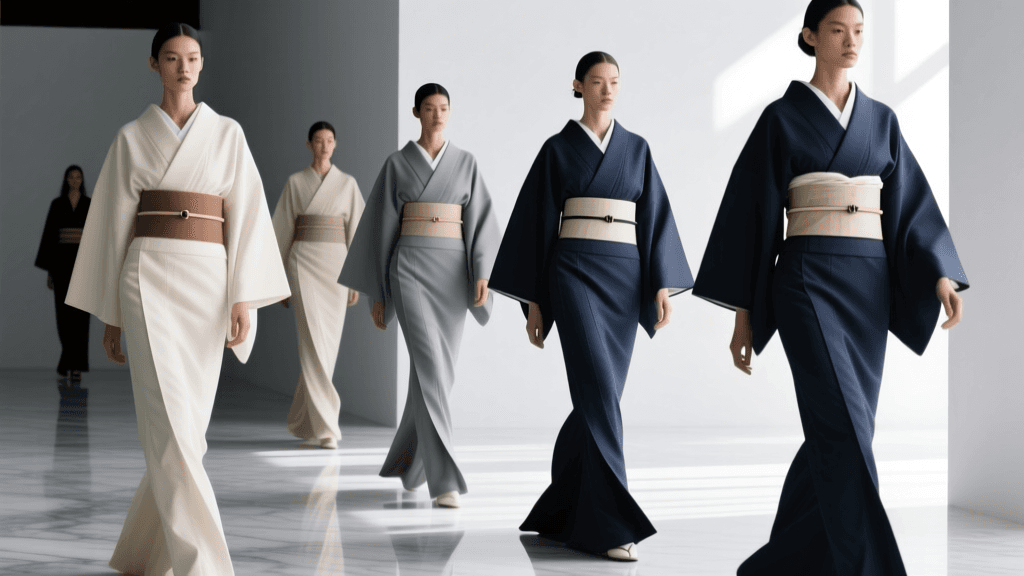
The global fashion landscape in 2026 is undergoing a profound structural and philosophical shift, with the traditional Japanese kimono emerging as the undisputed muse of the year's most celebrated haute couture collections. From the grand salons of Paris Fashion Week to the industrial-chic runways of Milan, the T-silhouette, intricate draping, and architectural obi belts of Japanese heritage garments have transcended mere inspiration to become foundational elements of modern luxury design. Unlike past decades, where cultural motifs were often superficially applied, the 2026 runway season is defined by a deep, respectful engagement with the kimono's complex geometry and artisanal history.
Leading fashion houses and avant-garde Japanese designers alike are reinterpreting the kimono for a contemporary, global audience. This movement is not about costume; it is about integrating the kimono's inherent modularity, zero-waste pattern cutting, and fluid gender expressions into the DNA of 2026 high fashion. As documented by the Kyoto Costume Institute, the kimono has always been a masterclass in flat-pattern construction, a technique that modern designers are now leveraging to create garments that adapt seamlessly to diverse body types without the need for complex, restrictive tailoring.
Key Kimono Silhouettes Dominating the 2026 Runways
The Deconstructed Haori
The haori, traditionally a hip- or thigh-length kimono-style jacket, has been radically reimagined for the Fall/Winter 2026 season. Designers are deconstructing the haori's straight seams to create oversized, fluid outerwear that blurs the line between a trench coat and a traditional wrap. Runway highlights include waterproof tech-silk blends, asymmetrical hems that mimic the natural drape of unlined summer garments, and exaggerated 32-inch drop shoulders that provide a striking, architectural profile. These pieces are frequently styled over sleek, minimalist slip dresses or wide-leg tailored trousers, offering a masterclass in proportional contrast.
The Corset-Obi Fusion
Perhaps the most striking accessory trend of the 2026 fashion weeks is the evolution of the obi (the traditional sash). Historically, the obi is a wide, stiffly woven belt that secures the kimono while creating a smooth, cylindrical torso silhouette. This year, Parisian couturiers have fused the obi with the structural rigidity of the Victorian corset. The resulting 'corset-obi' features a 12-to-14-inch width, reinforced with flexible spiral steel boning, and is worn over oversized blazers, voluminous shirtdresses, and even tailored knitwear. This adaptation honors the obi's role as a focal point of the ensemble while introducing a modern, cinched waistline that appeals to contemporary silhouette preferences.
T-Silhouette Draping and Zero-Waste Cutting
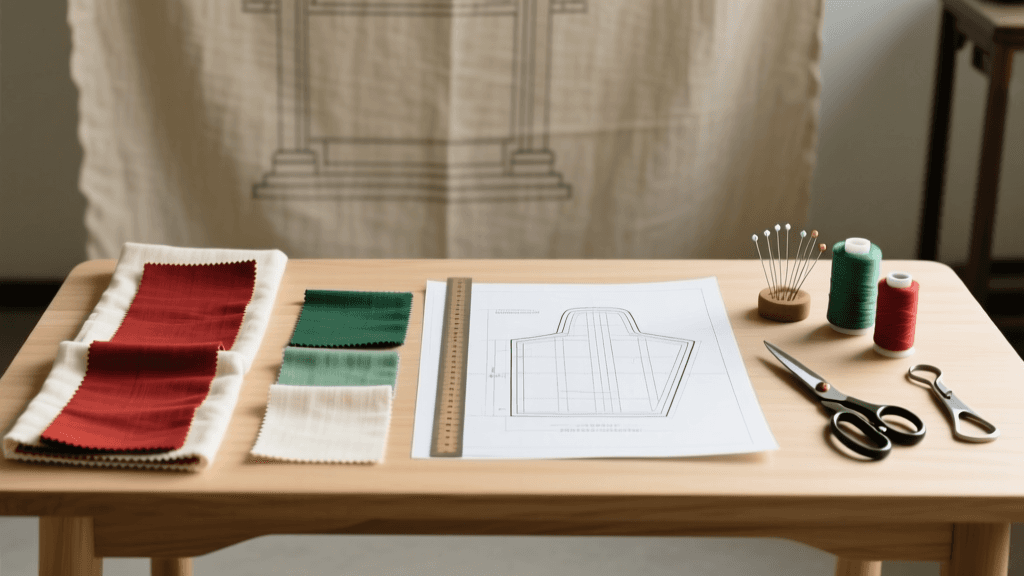
The kimono's iconic T-shape—created from straight bolts of fabric with minimal cutting—has become a beacon for the industry's 2026 sustainability mandates. By utilizing zero-waste pattern cutting techniques derived directly from traditional kimono making, designers are eliminating textile offcuts. Runway presentations in Milan showcased gowns and coats constructed from single, continuous lengths of fabric, folded and draped to create volume at the sleeves and hem without generating factory waste.
Traditional Elements vs. 2026 Runway Adaptations
To understand the depth of this sartorial translation, it is essential to compare the historical garments with their 2026 high-fashion counterparts. The following table outlines how traditional Japanese elements have been adapted for the modern runway:
| Traditional Element | 2026 Runway Adaptation | Styling & Material Notes |
|---|---|---|
| Obi Belt | Structured Corset-Obi | Worn over outerwear; features hidden magnetic closures and flexible boning. |
| Haori Jacket | Deconstructed Trench-Haori | Asymmetrical hems, crafted from recycled nylon and upcycled vintage silk. |
| Zori Sandals | Platform Split-Toe Boots | Chunky 45mm soles, tabi-toe design executed in vegan leather and oxidized hardware. |
| Kasuri Weave | Laser-Etched Denim | Traditional indigo splash patterns replicated via eco-friendly laser finishing on raw denim. |
| Yukata Cotton | Bioluminescent Tech-Mesh | Lightweight, breathable summer fabrics woven with light-reactive, sustainable yarns. |
Fabric Innovations: Nishijin-ori Meets Sustainable Tech
The 2026 runway season is also defined by a collision of ancient textile techniques and cutting-edge material science. Nishijin-ori, the highly prized, multi-layered brocade weaving technique originating from Kyoto, is being utilized in unexpected ways. Rather than reserving these luxurious, heavy textiles solely for formal bridal or ceremonial wear, designers are integrating strips of Nishijin brocade into modular, everyday luxury garments, treating the historic fabric as an artisanal accent rather than a restrictive tradition.
Simultaneously, the iconic shibori (tie-dye) and yuzen (resist-dyeing) techniques are being reinterpreted through the lens of bio-fabrication. Avant-garde creators are utilizing lab-grown, spider-silk equivalents and algae-based dyes to replicate the organic, bleeding indigo gradients of traditional shibori without the heavy water usage associated with historical dye houses. This commitment to ecological preservation while honoring Japanese aesthetic principles—such as wabi-sabi (finding beauty in imperfection)—resonates deeply with the values of the 2026 luxury consumer. For a deeper look into the historical context of these textiles, the Victoria and Albert Museum's Asian collections provide an unparalleled archive of how these dyeing methods have evolved over centuries, informing the sustainable choices made by today's designers.
How to Incorporate Runway Kimono Trends into Everyday Wardrobes
While haute couture remains aspirational, the 2026 kimono-inspired trends are remarkably adaptable for everyday wardrobes. Here is actionable advice on how to integrate these global runway concepts into your personal style, complete with specific measurements and styling techniques:
- The Haori Layering Technique: Invest in a modern haori-style cardigan or lightweight duster. Look for a drop-shoulder measurement of at least 18 inches from the neck seam to ensure the signature relaxed drape. Pair this with a fitted turtleneck and high-waisted, wide-leg trousers (minimum 22-inch leg opening) to balance the voluminous top half.
- The Obi Cinch: You do not need a formal silk obi to achieve the 2026 silhouette. Purchase a 10-to-12-inch wide leather or heavy canvas sash. Wrap it twice around your natural waist over an oversized button-down shirt or a flowing midi dress. Secure it with a simple square knot at the back or a sleek, minimalist metal clasp at the front to mimic the structural focus of the runway corset-obi.
- Tabi Footwear Integration: The split-toe boot remains a staple in 2026. Opt for ankle-height tabi boots with a 30mm to 45mm block heel. In 2026, the most sought-after colorways for these boots are 'digital matcha' (a muted, grayish-green) and 'oxidized indigo'. These ground the flowing lines of kimono-inspired outerwear with a sharp, avant-garde edge.
- Kasuri Denim: Seek out denim brands utilizing laser-etching to create kasuri (ikat) patterns. A pair of straight-leg jeans featuring subtle, blurred indigo motifs offers a subtle nod to traditional Japanese weaving while remaining entirely appropriate for casual, contemporary settings.
The Cultural Dialogue: Preservation Meets Avant-Garde
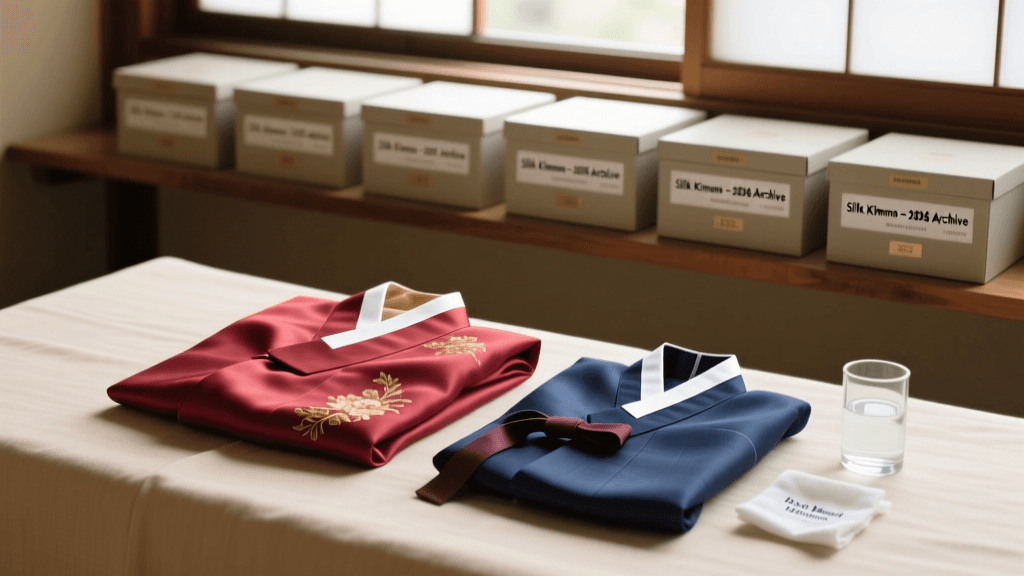
The integration of the kimono into the 2026 global fashion week circuit represents a mature, collaborative cultural dialogue. Rather than extracting motifs out of context, the most celebrated 2026 collections involve direct partnerships with Japanese artisans, weaving cooperatives, and historical archives. The fashion industry is increasingly recognizing that true luxury in 2026 is defined by provenance, craftsmanship, and cultural respect.
As noted by industry analysts covering the intersection of heritage and modern design, the kimono's presence on the runways of Paris, Milan, and New York is a testament to its enduring architectural brilliance. The garment's ability to convey status, artistry, and philosophy through flat planes of woven silk makes it an inexhaustible well of inspiration. By embracing the kimono's structural genius and pairing it with 2026's sustainable innovations, the global fashion industry is not merely borrowing from Asian traditions; it is actively participating in their ongoing, dynamic evolution.
'The kimono is not a relic of the past; it is a blueprint for the future of modular, sustainable fashion. The 2026 runways have finally caught up to the genius of Japanese flat-pattern engineering.' — Excerpt from the 2026 Global Textile & Heritage Report
Ultimately, the 2026 runway trends prove that the kimono is far more than a national garment. It is a global design language—one that speaks to the modern desire for garments that are as deeply meaningful and meticulously crafted as they are visually breathtaking.