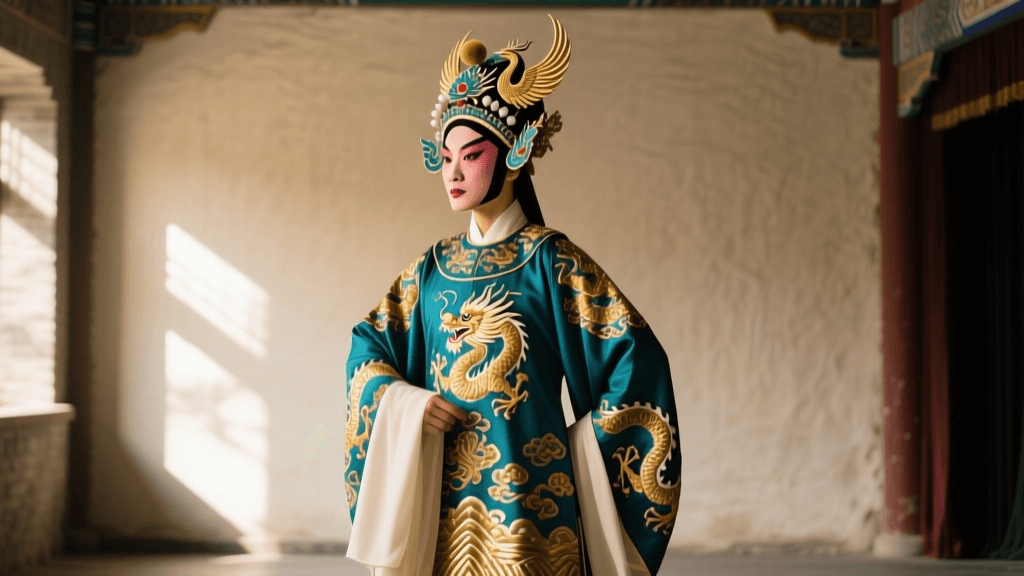
Kabuki, Noh and Bunraku Stage Kimono Costume Guide 2026
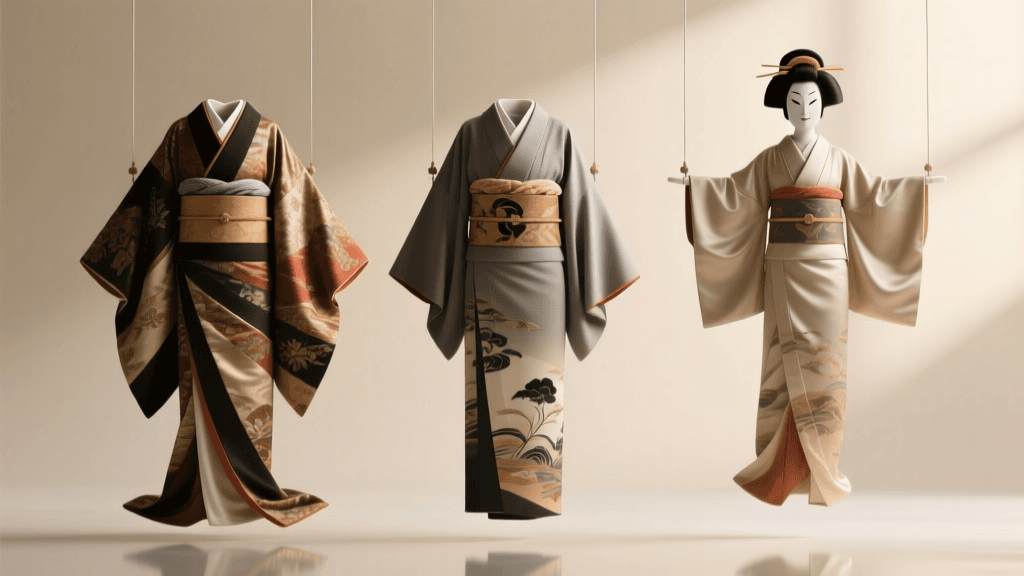
The Visual Semiotics of Japanese Classical Theater
Japanese classical theater is a masterclass in visual storytelling, where every fold, color, and thread of a costume carries profound narrative weight. Unlike Western theatrical traditions that often prioritize historical realism, the traditional performing arts of Japan—Kabuki, Noh, and Bunraku—rely on highly stylized visual semiotics. At the heart of this visual language is the kimono, transformed from everyday garment into a dynamic stage apparatus. As we explore the cultural landscape in 2026, the intersection of traditional textile arts and stage performance is experiencing a remarkable renaissance. Major institutions, including the National Theatre of Tokyo, have launched comprehensive digital archives and immersive exhibitions this year, allowing global audiences to examine the intricate craftsmanship of stage garments up close.
Understanding the stage kimono requires looking beyond mere aesthetics. These garments are engineered for specific types of movement, manipulated by specialized artisans, and woven with symbolic motifs that communicate a character's age, social status, and emotional state to the audience. According to UNESCO's official Kabuki Theatre heritage page, the preservation of these sartorial traditions is inextricably linked to the survival of the performing arts themselves. This guide delves into the structural and textile differences of stage kimono across Japan's three most revered theatrical forms.
Kabuki Isho: The Architecture of Extravagance
Kabuki, known for its dramatic flair, dynamic acting, and elaborate makeup, demands costumes (isho) that match its larger-than-life theatricality. The stage kimono in Kabuki is designed to amplify the actor's physical presence, often utilizing heavy brocades, voluminous padding, and trailing hems that require immense physical strength to manipulate. The onnagata (male actors specializing in female roles) wear some of the most complex garments in the Kabuki repertoire. Their outer robes, or uchikake, are heavily padded at the hem and shoulders to create an idealized, sweeping silhouette that glides across the hanamichi (runway).
The Hikinuki Quick-Change Technique
One of the most thrilling aspects of Kabuki costuming is the hikinuki, a rapid on-stage costume change that signifies a dramatic shift in a character's psychology or circumstances. Unlike Western quick-changes that happen behind the curtain, hikinuki is performed in full view of the audience, assisted by stagehands dressed in black (kuroko). The kimono is engineered with special basting stitches that, when pulled by the stagehands, cause the outer layer to fall away instantly, revealing a completely different kimono underneath. In 2026, the Kabukiza Theatre in Tokyo has integrated augmented reality (AR) guides for international visitors, allowing audiences to view the complex internal stitching and structural engineering of hikinuki garments via their smartphones during live performances.
The textiles used in Kabuki are predominantly Nishijin-ori, a luxurious, multi-layered brocade woven in Kyoto. The heavy use of gold and silver metallic threads (kinran and ginran) ensures that the costumes catch the stage lights brilliantly, projecting the character's immense power or divine status to the back rows of the theater.
Noh Shozoku: Stylized Elegance and the Karaori
In stark contrast to the explosive extravaganza of Kabuki, Noh theater is an exercise in restraint, subtlety, and profound spiritual depth. The costumes (shozoku) in Noh are not meant to replicate historical clothing but to evoke an atmosphere of yugen (profound, mysterious grace). The movement in Noh is highly codified and incredibly slow, relying on the sliding step known as suriashi. Consequently, the kimono must dictate and enhance this deliberate pacing.
Symbolism Woven in Silk
The most iconic garment in the Noh wardrobe is the karaori, a stiff, heavily brocaded robe typically worn by actors playing noblewomen or deities. The stiffness of the karaori is intentional; it forces the actor to move with extreme care and deliberation, naturally producing the stately, gliding movements characteristic of Noh. The UNESCO Nohgaku Theatre safeguarding registry highlights how the physical weight and rigidity of these garments are essential tools for the actor's physical transformation.
Noh costumes also utilize the chosoku (hunting garment) and the mizugoromo (water robe), which features a translucent, gauze-like silk that suggests wetness or a ghostly, ethereal presence. The color palettes and woven motifs are strictly codified. For instance, a red karaori indicates a young, unmarried woman of high status, while a darker, more subdued palette with specific botanical motifs might signify an older woman or a spirit trapped by earthly attachments. The weaving techniques required to produce these garments are among the most guarded secrets of Kyoto's master weavers, with some 2026 artisan workshops taking up to eight months to complete a single karaori robe.
Bunraku Ningyo: Engineering the Puppet Kimono
Bunraku, the classical puppet theater of Japan, presents a unique set of engineering challenges for costume designers. The puppets (ningyo) are approximately one-half to two-thirds the size of a human and are operated by three puppeteers in full view of the audience. The primary puppeteer operates the head and right arm, the second operates the left arm, and the third operates the legs. The kimono must therefore be constructed to accommodate this complex manipulation while maintaining the illusion of a living, breathing character.
Scale, Weight, and the Tsume
The stage kimono in Bunraku are scaled down but must retain the visual weight and drape of full-sized human garments. If the fabric is too heavy, it will overwhelm the puppeteers and restrict movement; if it is too light, it will look like a toy's clothing. Artisans achieve this balance by using exceptionally fine silks and specialized linings that provide structure without excessive bulk. The sleeves are often weighted at the cuffs to ensure they swing and settle with realistic gravity when the puppet moves.
Furthermore, the garments are constructed with hidden openings and specialized fastenings that allow the puppeteers' hands (tsume) to access the puppet's internal mechanisms without disturbing the outer drape of the kimono. The Victoria and Albert Museum's comprehensive kimono textile archive notes that Bunraku costumes represent a fascinating intersection of haute couture textile arts and precision mechanical engineering, a duality that continues to captivate textile conservators in 2026.
Comparative Analysis: Stage Kimono Across Three Arts
To fully appreciate the distinct requirements of each theatrical form, it is helpful to compare the structural and functional elements of their respective costumes. The following table outlines the primary differences in stage kimono design across Kabuki, Noh, and Bunraku.
| Theater Form | Primary Costume Term | Key Textile & Characteristics | Primary Function & Movement |
|---|---|---|---|
| Kabuki | Isho (incl. Uchikake) | Heavy Nishijin brocade, metallic threads, thick padding. | Amplifies presence; engineered for dynamic poses and hikinuki quick-changes. |
| Noh | Shozoku (incl. Karaori) | Stiff, tightly woven silk brocade; translucent gauze for spirits. | Dictates slow, deliberate suriashi movement; conveys spiritual status. |
| Bunraku | Ningyo Isho | Lightweight fine silk, weighted cuffs, specialized internal linings. | Accommodates three puppeteers; simulates realistic human drape at 2/3 scale. |
2026 Preservation Efforts and the Future of Nishijin-ori
As we navigate 2026, the preservation of traditional stage kimono faces both unprecedented challenges and exciting technological interventions. The master weavers of Kyoto's Nishijin district, who produce the vast majority of high-end theatrical textiles, are grappling with an aging artisan population and the rising costs of raw silk. However, a new generation of textile conservators and digital archivists is stepping in to safeguard these techniques.
This year, collaborative initiatives between the National Bunraku Theatre in Osaka and leading technical universities have resulted in the creation of high-fidelity 3D textile scans. These digital twins allow conservators to study the degradation of metallic threads and silk fibers over time without subjecting the fragile, centuries-old garments to excessive handling. Furthermore, contemporary fashion houses and avant-garde designers are increasingly drawing inspiration from the structural ingenuity of stage kimono, bringing elements of hikinuki engineering and Noh silhouettes into modern global runways.
Whether you are a textile scholar, a theater enthusiast, or a traveler planning to attend a performance at the Kabukiza or the National Noh Theatre in 2026, understanding the profound complexity of these garments transforms the viewing experience. The stage kimono is not merely a costume; it is a living, breathing archive of Japanese history, engineering, and artistic philosophy, woven thread by thread into the fabric of cultural memory.