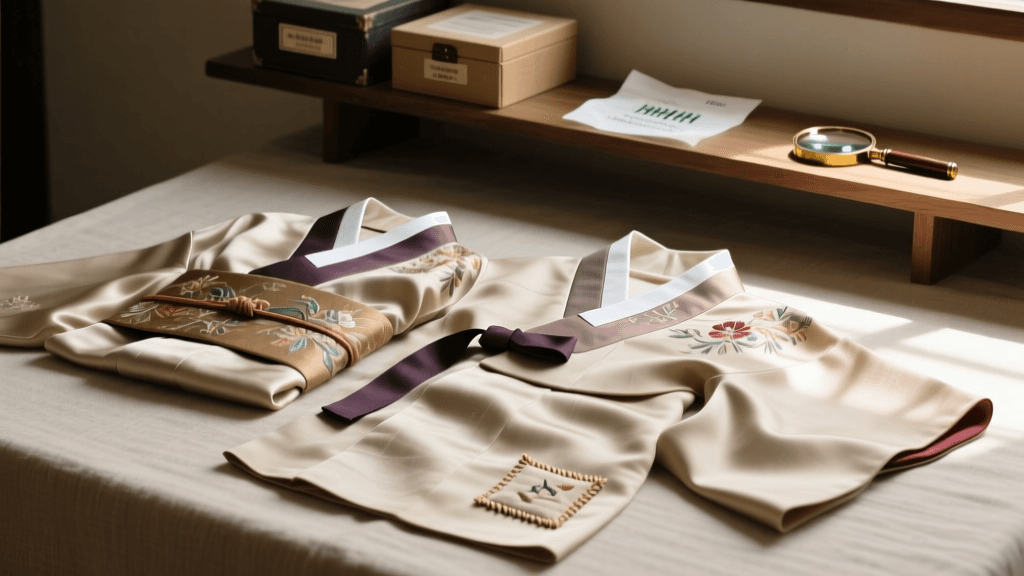
Silk Kimono Travel Packing Guide 2026: Transport & Care
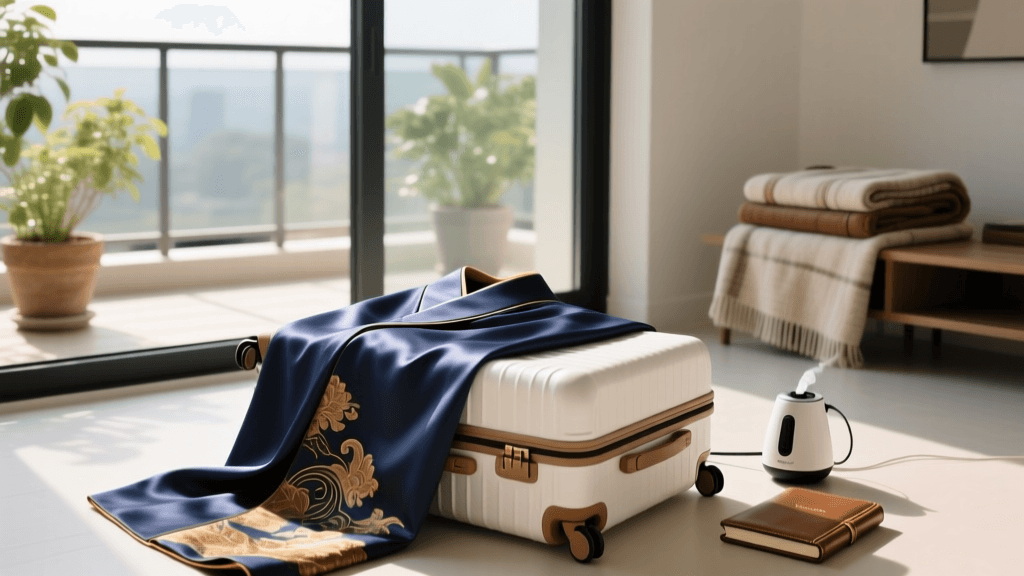
The Resurgence of Global Kimono Travel in 2026
As global appreciation for traditional Japanese garments reaches new heights in 2026, more collectors, practitioners, and cultural enthusiasts are traveling internationally with their prized silk kimonos. Whether you are attending a formal tea ceremony in London, participating in a summer matsuri in Kyoto, or showcasing your collection at a cultural exhibition in New York, transporting these delicate textiles requires meticulous planning. Silk, or shoken, is a protein fiber highly susceptible to humidity fluctuations, friction, and permanent creasing. According to recent cultural tourism data from the Japan National Tourism Organization, international interest in authentic kimono wearing experiences has surged, making the safe transit of these garments a priority for global travelers. This comprehensive guide outlines the best practices for packing, transporting, and maintaining your kimono on the go in 2026.
Essential Packing Materials for Silk Preservation
The foundation of safe kimono transport lies in the materials that directly touch the fabric. In 2026, while traditional methods remain respected, they are often supplemented with modern conservation science.
Traditional Washi and Tatoshi
Historically, kimonos are stored in tatoshi, specialized wrapping paper made from traditional Japanese washi. The craftsmanship of this paper is so vital to Japanese culture that it is recognized by the UNESCO Intangible Cultural Heritage list. Washi is breathable, naturally alkaline, and helps regulate moisture. When traveling, wrapping your folded kimono in a clean, dedicated furoshiki or placing it inside a breathable cotton tatoshi bag provides an excellent first layer of defense against dust and light friction.
Acid-Free Tissue and Padding
For vintage or highly delicate silk garments, modern textile conservators recommend using unbuffered, acid-free tissue paper. As outlined in the textile preservation guidelines by the Canadian Conservation Institute, padding the folds of a garment with acid-free tissue prevents hard creases from forming during transit. Never use standard commercial tissue paper or plastic dry-cleaning bags, as these can trap moisture, off-gas harmful chemicals, and cause irreversible yellowing or dye transfer on natural silk fibers.
The Hon-Datami Folding Technique for Suitcases
The way a kimono is folded dictates how it will survive a long-haul flight. The hon-datami (standard folding) method is designed to align the seams and distribute the fabric's weight evenly, minimizing stress on the silk. When adapting this for a hardshell suitcase in 2026, follow these precise steps:
- Prepare the Surface: Lay a clean cotton sheet over a large, flat bed or table. Ensure your hands are clean and free of lotions or oils.
- Align the Panels: Lay the kimono face down. Fold the left front panel over the back panel, aligning the center back seam. Then, fold the right front panel over, ensuring the front edges meet perfectly.
- Fold the Sleeves: Fold the sleeves back over the body of the kimono. Do not fold them sharply at the shoulder; instead, let them rest flat against the back to avoid creasing the delicate sleeve attachment points.
- Horizontal Folds: Fold the garment in half horizontally from the bottom hem to the collar. Then, fold it into thirds or quarters depending on the width of your luggage.
- Pad the Creases: Before making each final fold, place a rolled sheet of acid-free tissue paper or a soft cotton towel inside the fold line. This creates a gentle curve rather than a sharp, hard crease that could fracture aged silk threads.
Comparative Analysis: Kimono Packing Methods
Depending on your luggage type and travel class, different packing methods offer varying levels of protection. The table below compares the most effective strategies for 2026 travelers.
| Packing Method | Wrinkle Risk | Space Efficiency | Best Use Case |
|---|---|---|---|
| Hon-Datami with Tissue Padding | Low | Medium | Hardshell checked luggage, long trips |
| Rolling with Acid-Free Tissue | Very Low | High | Carry-on bags, tight spaces, modern silks |
| Flat Garment Bag (Unfolded) | Medium | Low | First-class suites, garment closets on trains |
Climate Control and In-Transit Protection
Silk is highly reactive to environmental changes. In 2026, many premium luggage brands offer smart suitcases with integrated climate-monitoring apps, but you can achieve excellent climate control with low-tech solutions. Always pack a few silica gel desiccant packets inside your kimono wrapping to absorb excess ambient moisture, which can lead to mildew in humid cargo holds. However, ensure the silica gel does not touch the silk directly; keep it in the outer pockets of your cotton tatoshi bag. Additionally, place a small block of natural, untreated cedar wood in your suitcase to deter pests like carpet beetles and clothes moths, which are attracted to natural protein fibers. Avoid vacuum-sealing your kimono at all costs; the extreme compression will crush the silk's natural structure and create permanent, un-steamable wrinkles.
On-the-Go Steaming and Wrinkle Release
Even with perfect packing, minor creases may occur upon arrival. Knowing how to safely release these wrinkles in a hotel room is crucial for the modern kimono traveler.
The Bathroom Steam Method
The safest, most accessible method requires no extra equipment. Hang the kimono on a wide, padded wooden hanger (never wire or thin plastic, which will distort the shoulder line). Suspend it in the bathroom, well away from direct water splashes, and run a hot shower for 15 to 20 minutes. The ambient steam will gently relax the silk fibers, allowing gravity to pull the minor creases out. Leave the garment to air dry in a well-ventilated room afterward to prevent moisture trapping.
2026 Travel Steamers
For stubborn creases, a handheld travel steamer is indispensable. The latest dual-voltage travel steamers released in 2026 feature specialized silk-safe attachments that diffuse the steam pressure, preventing water spots and heat shock. Always steam the kimono from the inside out, keeping the steamer head at least two inches away from the fabric. Never press a hot iron directly onto a silk kimono, as the high heat can scorch the fibers and melt metallic threads used in shishu (embroidery).
Packing Accessories: Obi, Obijime, and Footwear
A kimono is incomplete without its accessories, which require their own packing protocols. The obi (sash) is often heavily brocaded and stiff. It should be rolled loosely rather than folded to prevent cracking the metallic threads. Wrap the rolled obi in a soft cotton cloth and place it at the top of your suitcase so it is not crushed by heavier items. Delicate braided cords (obijime) and hair ornaments (kanzashi) should be stored in rigid, padded jewelry cases to prevent bending and tarnishing. As for footwear, traditional zori and tabi socks can be packed in the corners of your luggage, but ensure the hanao (thongs) of the zori are not pressing against the silk garments, as the friction can cause snags.
Airport Security and Customs Considerations
When traveling with high-value vintage kimonos, it is wise to carry a detailed inventory list, complete with photographs and estimated valuations, to present to customs officials upon entry and exit. This prevents potential disputes over import duties or accusations of commercial trafficking. If airport security requires a bag search, politely inform the agents that the bag contains delicate, museum-grade silk textiles that must not be handled with bare hands or exposed to harsh lighting for extended periods. By combining traditional Japanese respect for the garment with modern 2026 conservation techniques, you can ensure your kimono arrives at your destination in pristine, breathtaking condition.