Preserving Vintage Silk Kimonos and Hanboks in 2026
The Unique Vulnerability of Asian Silk Garments
Preserving traditional Asian garments, particularly vintage silk kimonos and hanboks, requires a nuanced understanding of textile chemistry and historical construction. Unlike modern synthetic blends, traditional silk is a natural protein fiber composed primarily of fibroin. While silk boasts incredible tensile strength, it is highly susceptible to environmental degradation, photo-oxidation, and acidic damage from human perspiration. In 2026, the field of textile conservation has moved away from harsh chemical interventions, favoring non-destructive, micro-climate stabilization and bio-enzymatic cleaning methods that honor the integrity of the original garment.
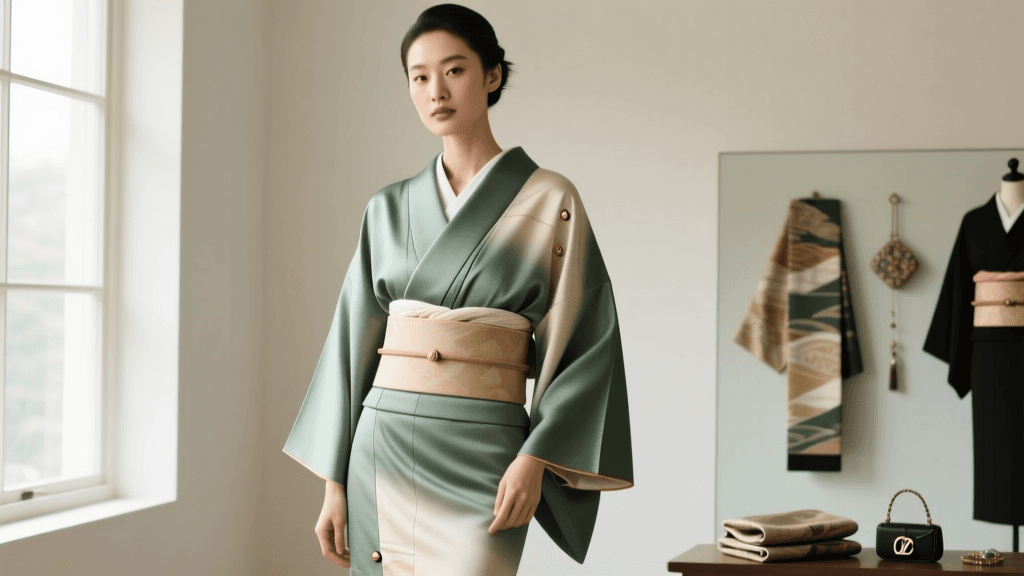
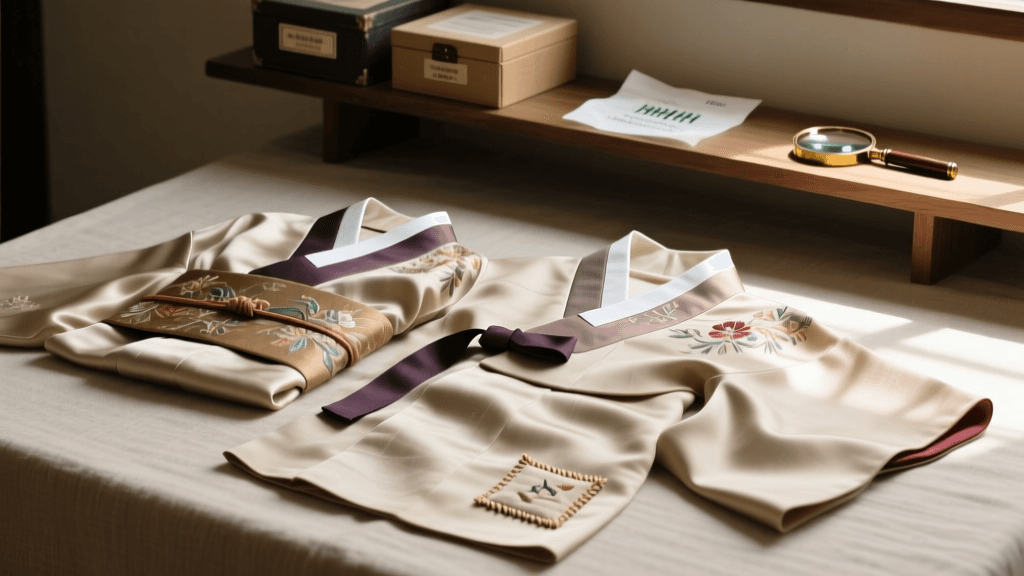
The structural differences between Japanese and Korean silk garments also dictate their care. Japanese kimonos often utilize chirimen (silk crepe), which is highly twisted and prone to stretching or losing its textured grain if exposed to improper moisture levels. Conversely, traditional Korean hanboks frequently feature glossy satin weaves and delicate ramie blends that can shatter along fold lines if stored improperly. Furthermore, the presence of metallic threads, such as the Japanese surihaku or the Korean geumbak (gold leaf appliqué), introduces mixed-media challenges that require specialized conservation approaches to prevent flaking and tarnishing.
2026 Archival Storage and Environmental Controls
The foundation of garment preservation is proactive environmental control. In 2026, archival storage has been revolutionized by smart micro-climate enclosures and Bluetooth-enabled dataloggers that monitor temperature and relative humidity (RH) in real-time. For silk garments, the ideal storage environment is a stable 65°F (18°C) with an RH maintained strictly between 45% and 55%. Fluctuations beyond this range cause the silk fibers to swell and contract, leading to micro-tears and permanent structural fatigue.
When storing vintage kimonos and hanboks, folding should be minimized to prevent permanent crease lines and fiber breakage. The current gold standard in 2026 is the rolled storage method. Garments should be rolled around acid-free, unbuffered archival tubes with a minimum diameter of four inches. Buffered tissue, which contains an alkaline reserve, must never be used with silk, as the high pH can degrade the protein structure over time. Instead, conservators recommend interleaving the garment with unbuffered, pH-neutral tissue paper to absorb any residual acidity and provide a smooth rolling surface. For heavily embroidered hanbok skirts (chima), the embroidery must face outward during rolling to prevent the metallic threads from being crushed against the tube.
Advanced Non-Destructive Stain Removal Techniques
Stain removal on vintage silk is fraught with risk. Traditional dry-cleaning solvents like perchloroethylene (PERC) are now widely recognized as too aggressive for historical textiles, often stripping the natural sericin coating and causing dyes to bleed. In 2026, professional conservators rely on liquid silicone solvents and targeted bio-enzymatic treatments. These modern enzymatic cleaners are engineered to break down specific organic stains—such as sweat, sebum, and food residues—at a molecular level without agitating the delicate silk fibroin.
Below is a comparison of the primary cleaning methodologies utilized in modern Asian garment conservation:
| Cleaning Method | Best Application | Risk Level | 2026 Conservation Status |
|---|---|---|---|
| Liquid Silicone Solvents | Overall surface soil, oil-based stains | Low | Industry standard for safe, non-toxic full-immersion cleaning |
| Bio-Enzymatic Micro-Treatments | Localized protein stains (sweat, food) | Low-Medium | Highly preferred; requires precise pH monitoring and suction tables |
| Ultrasonic Humidification | Crease removal, fiber relaxation | Low | Replaces traditional steam irons; prevents water-spotting on silk |
| Traditional PERC Dry Cleaning | Heavy synthetic blends | High | Deprecated for vintage silk; causes dye migration and fiber embrittlement |
For localized stain removal, conservators utilize a micro-spatula to apply the enzymatic solution, allowing it to dwell for precisely calculated intervals before extracting the residue using a low-suction conservation vacuum table. This prevents the stain from being pushed deeper into the garment's lining.
Fiber Stabilization: Couching and Crepeline Backing
When vintage silk begins to shatter or tear—a common issue along the hemlines of heavy winter kimonos or the waistbands of hanboks—adhesives and fusible interfacings must be strictly avoided. Adhesives cross-link over time, becoming irreversible and causing severe yellowing. Instead, the 2026 standard for structural repair is the couching technique using dyed crepeline.
Crepeline is a highly sheer, lightweight silk fabric that acts as a supportive backing. Conservators dye the crepeline to match the exact hue of the damaged garment using lightfast, metal-complex dyes. The damaged area is laid flat, and the crepeline is placed beneath or over the tear. Using a microscopic curved needle and ultra-fine 100/3 silk thread, the conservator sews tiny, nearly invisible couching stitches around the perimeter of the tear. This technique stabilizes the shattered fibers, distributing the mechanical stress across the crepeline backing without altering the drape or hand-feel of the original textile.
Caring for Metallic Threads and Embroidery
The metallic elements of Asian traditional dress require entirely separate care protocols. Korean geumbak involves stamping ultra-thin gold or silver leaf onto silk using a natural adhesive binder. Over decades, this binder dries out, causing the metallic leaf to flake away. In 2026, conservators use specialized, reversible consolidants like Aquazol to re-adhere flaking gold leaf without introducing moisture that could warp the underlying silk. This process is performed under a stereomicroscope to ensure the consolidant penetrates only the microscopic cracks in the binder.
Japanese kimonos often feature metallic threads woven directly into the fabric (nuihaku) or applied via lacquer and foil (surihaku). These metallic elements are highly sensitive to abrasion. When cleaning garments with metallic accents, the metallic areas must be masked and protected with a sheer polyester film to prevent any solvent or enzymatic action from dissolving the delicate metallic binders. Storage of these garments requires extra padding around the embroidered areas to ensure the metallic threads do not snag or crush against adjacent layers of fabric.
When to Seek Professional Textile Conservation
While collectors and enthusiasts can manage environmental controls and basic surface dusting using soft, natural-bristle brushes, structural repairs and stain removal should always be entrusted to certified professionals. Attempting DIY washing or ironing on a vintage silk kimono or hanbok can result in irreversible dye bleeding, permanent water-spotting, and catastrophic fiber shrinkage.
For those seeking authoritative guidance on the limits of home care, The Metropolitan Museum of Art's Textile Conservation department provides extensive resources on the ethical boundaries of textile preservation, emphasizing the principle of reversibility in all conservation efforts. Additionally, The National Trust's guide on caring for historic textiles offers invaluable insights into preventative care, detailing how light exposure and pest management play critical roles in the longevity of historic garments.
By embracing the advanced, non-destructive methodologies of 2026, collectors and institutions can ensure that these masterpieces of Asian sartorial heritage remain vibrant, structurally sound, and historically intact for future generations to study and admire.