Peking Opera Costumes: Guide to Jingju Theatrical Wardrobes
Introduction to Jingju Theatrical Wardrobes
Peking Opera, known natively as Jingju, is a magnificent synthesis of music, vocal performance, mime, dance, and acrobatics. Recognized as an Intangible Cultural Heritage of Humanity by UNESCO, this traditional Chinese art form relies heavily on its visual spectacle to convey narrative and emotion. In the realm of Asian traditions, few sartorial systems are as highly codified, visually striking, and technically demanding as the Peking Opera wardrobe, or Xingtou. Unlike historical Hanfu or everyday traditional garments, opera costumes are designed for the stage, prioritizing dynamic movement, exaggerated silhouettes, and immediate character recognition over historical accuracy.
According to Encyclopedia Britannica, the roles in Peking Opera are strictly divided into four main categories: Sheng (male), Dan (female), Jing (painted-face male), and Chou (clown). The costumes worn by these performers are not merely decorative; they are essential storytelling tools that instantly communicate a character's social status, military rank, moral alignment, and emotional state to the audience. For modern theater troupes, cultural festival organizers, and serious collectors of Asian performance art, understanding the anatomy, sourcing, and preservation of these garments is critical.
The Four Main Categories of Peking Opera Costumes
The traditional Jingju wardrobe is built upon four foundational garment types. Each serves a specific theatrical purpose and requires distinct tailoring and embroidery techniques to accommodate the rigorous physical demands of the performance.
Mang (Python Robes)
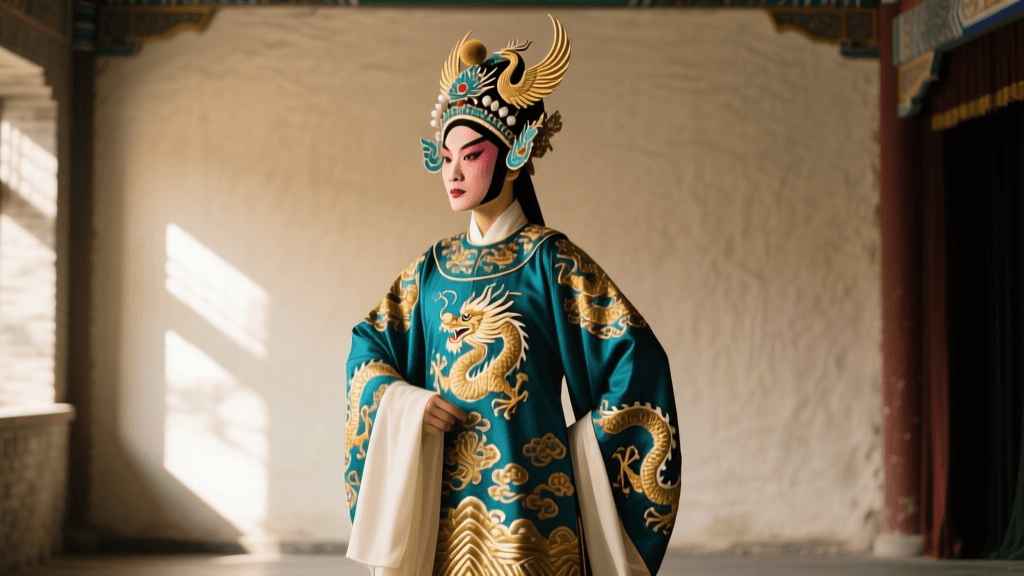
The Mang is the highest-ranking garment in the Peking Opera wardrobe, reserved exclusively for emperors, kings, and high-ranking civil officials. Despite the name, the 'python' motif is actually a five-clawed dragon, a symbol of imperial power that was historically restricted in everyday Chinese society but permitted on the theatrical stage. The Mang features a round collar, wide sleeves, and a distinctive lower panel adorned with 'standing water' (lishui) wave patterns. For performers, the most crucial element of the Mang is the Shui Xiu, or 'water sleeves.' These are long, flowing extensions of white silk attached to the cuffs, which actors manipulate to express a vast array of emotions, from trembling rage to delicate sorrow. A high-quality Mang is heavily embroidered using the couching technique with metallic gold and silver threads, making the garment quite heavy and requiring immense core strength from the performer.
Pei (Informal Court Robes)
The Pei serves as the formal, yet slightly less rigid, everyday wear for nobles, high officials, and wealthy gentry within the narrative. It features a center-front opening, a cross-collar, and side slits that allow for ease of movement during walking or seated scenes. The embroidery on a Pei is typically symmetrical and often features auspicious motifs such as cranes, peonies, or plum blossoms, which denote the wearer's refined taste and scholarly background. For female Dan roles, the Pei is often paired with a pleated skirt (Qun) and is slightly shorter than the male version to reveal intricate footwear and footwork.
Kao (Military Armor)
The Kao is the most visually complex and physically demanding garment in the Jingju wardrobe, representing military armor worn by generals and warriors. It consists of a front and back panel, shoulder pads, and an elaborate skirt. The most striking feature of the Kao is the inclusion of four triangular flags attached to the back, known as Kao Qi. When a general is in full battle regalia, long pheasant tail feathers (Lingzi) are attached to the helmet, which the actor manipulates using head and neck movements to convey anger, triumph, or deep thought. The Kao is heavily padded and can weigh upwards of 15 kilograms, requiring performers to undergo years of specific martial arts conditioning to execute flips and combat sequences safely while wearing it.
Xuezi (Everyday Garments)
The Xuezi is the most versatile and commonly used garment in Peking Opera, representing the everyday clothing of commoners, scholars, and minor officials. It features a cross-collar, side slits, and a relatively simple silhouette. While it lacks the heavy padding and metallic embroidery of the Mang or Kao, the Xuezi relies on subtle color coding and delicate silk embroidery to convey character. For instance, a scholar in distress might wear a plain black Xuezi, while a wealthy merchant might wear one adorned with subtle floral patterns in vibrant jewel tones.
Sourcing Authentic Opera Costumes: A Practical Guide
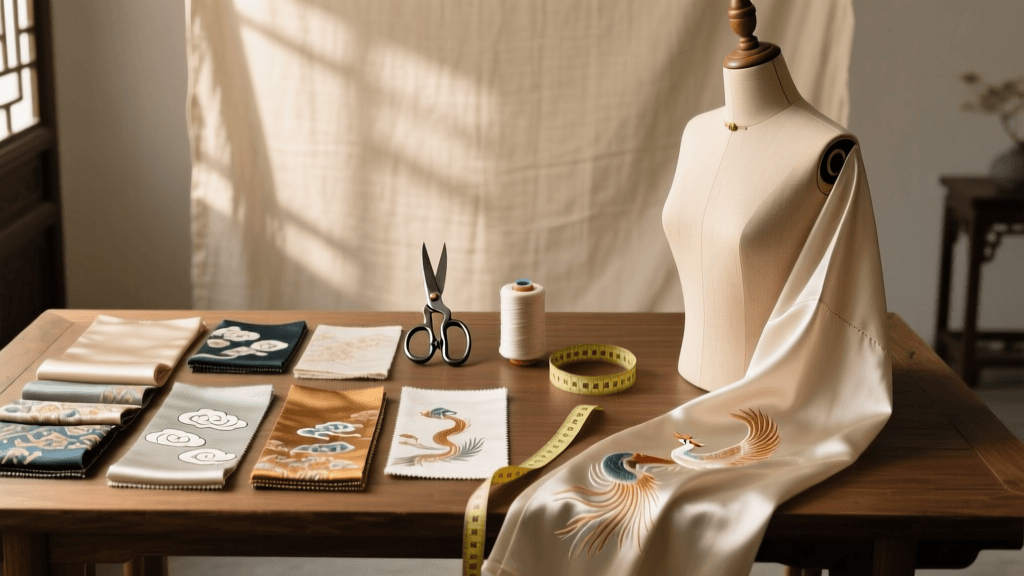
For theater companies, festival directors, and collectors looking to acquire authentic Jingju costumes, understanding the supply chain and production timelines is essential. The undisputed capital of Chinese theatrical embroidery is Suzhou, specifically the town of Zhenhu, which is famous for Su Xiu (Suzhou embroidery). High-end opera costumes are still largely handmade in this region.
Cost and Timing Expectations
When commissioning custom Peking Opera garments, buyers must be prepared for significant investments of both time and capital. The intricate hand-embroidery required for a single Mang robe can take a team of artisans several months to complete. Below is a comparative guide to help buyers plan their acquisitions:
| Garment Type | Target Role | Key Features | Est. Custom Cost (USD) | Lead Time |
|---|---|---|---|---|
| Xuezi (Basic) | Scholars, Commoners | Cross-collar, minimal embroidery, silk blend | $250 - $500 | 4 - 6 Weeks |
| Pei (Standard) | Nobles, Officials | Symmetrical floral embroidery, pure silk | $800 - $1,500 | 8 - 12 Weeks |
| Mang (Premium) | Emperors, High Officials | Dense metallic couching, water sleeves, heavy silk | $2,500 - $5,000+ | 4 - 6 Months |
| Kao (Full Set) | Generals, Warriors | Padded panels, flags, helmet, pheasant feathers | $3,000 - $6,000+ | 5 - 7 Months |
Crucial Measurements for Performers
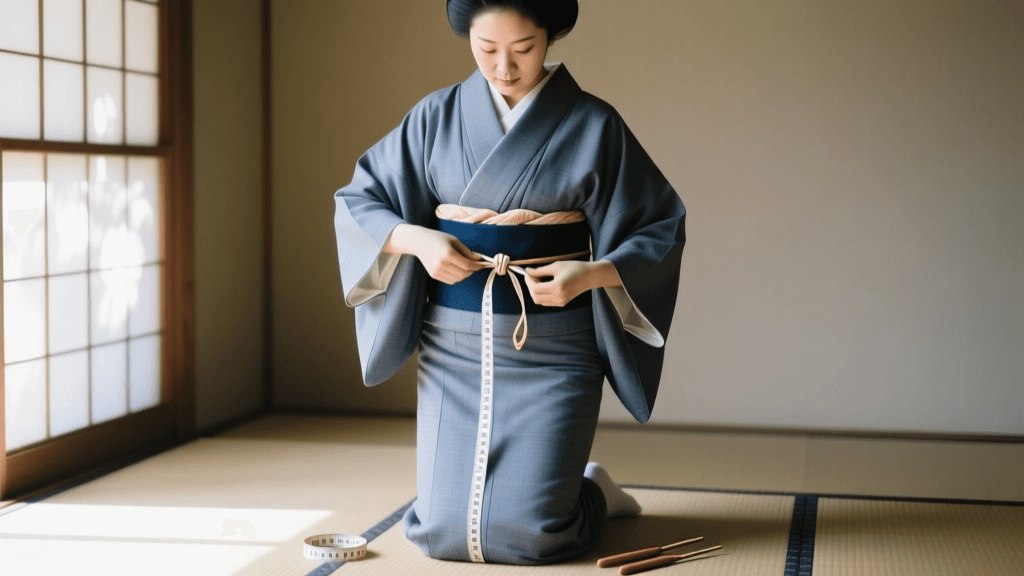
Unlike Western theatrical costuming, which often relies on standard sizing, Jingju costumes require highly specific measurements to ensure the performer can execute choreography safely. When ordering from a Suzhou atelier, provide the following precise metrics:
- Nape to Floor: Essential for the hemline of the Mang and Pei, ensuring it clears the ground during rapid walking (Yuanba) but drags slightly for dramatic effect.
- Shoulder Seam to Wrist Bone: Critical for the attachment point of the water sleeves. The base sleeve must end exactly at the wrist to allow the white silk extensions to flow without tangling.
- Water Sleeve Length: Standard lengths range from 60cm to 90cm. Martial roles (Wusheng/Wudan) require shorter sleeves (approx. 45cm) to prevent interference during acrobatics.
- Chest and Waist with Padding: If the performer will wear the internal padding required for a Kao or Mang, measurements must be taken over the padding, not the bare body.
Material Selection for Festivals vs. Stage
When sourcing costumes for outdoor cultural festivals versus indoor theatrical performances, material selection is paramount. Traditional indoor garments are crafted from 100% mulberry silk and delicate metallic threads. However, outdoor festival environments introduce wind, humidity, and unpredictable weather. For outdoor parade and festival use, it is highly recommended to commission garments using high-grade synthetic silks (such as polyester-silk blends) for the outer shells. These materials resist water spotting, are less prone to UV fading under direct sunlight, and are significantly easier to spot-clean after outdoor events, while still maintaining the brilliant sheen required for stage presence.
Maintenance and Archival Storage
Preserving the structural integrity and vibrant colors of Peking Opera costumes requires strict adherence to textile conservation principles. The Victoria and Albert Museum, which houses an extensive collection of Asian theatrical textiles, emphasizes the importance of climate control and proper handling for historical garments.
First and foremost, authentic hand-embroidered Jingju costumes must never be submerged in water or machine washed. The metallic threads will tarnish, and the silk base will warp. Cleaning should be restricted to gentle surface brushing and professional, specialized dry cleaning for delicate silks. When storing the garments, avoid hanging heavy items like the Mang or Kao on standard hangers, as the immense weight of the embroidery will tear the shoulder seams over time. Instead, these garments should be folded carefully with acid-free tissue paper to cushion the folds and prevent creasing in the water sleeves. Store the folded garments in breathable cedar boxes or archival cotton bags in a climate-controlled environment, maintaining a relative humidity of around 50% to prevent both mold growth and silk desiccation. By treating these garments as museum-quality artifacts, troupes and collectors can ensure that the vibrant legacy of Asian performance traditions continues to captivate audiences for generations.