Japanese Natural Dye Plants: Sustainable Methods in 2026
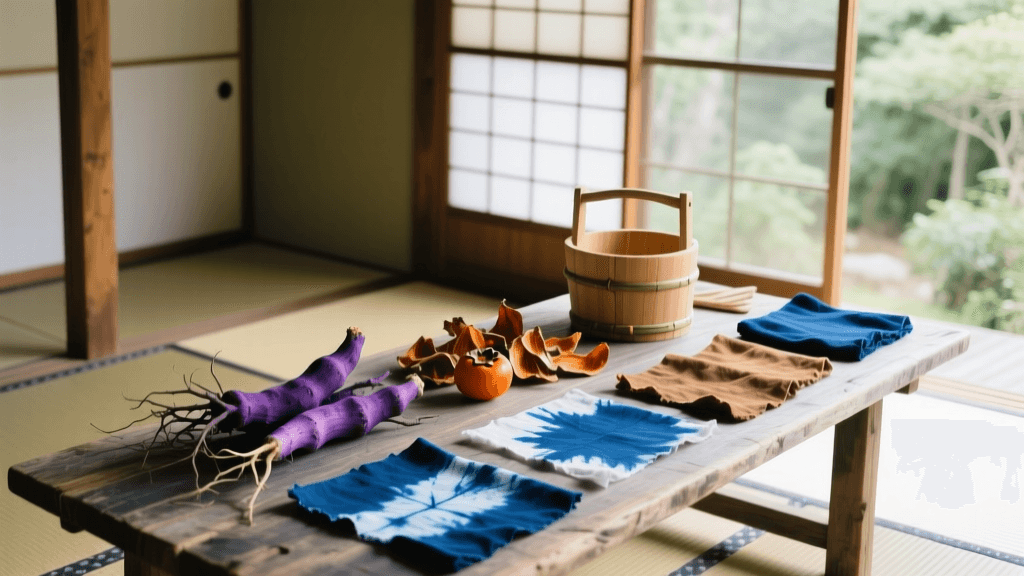
The Renaissance of Kusaki-zome in 2026
As the global fashion industry faces intense scrutiny over its environmental impact in 2026, the ancient Japanese art of Kusaki-zome (plant dyeing) is experiencing a profound renaissance. Historically, the vibrant hues of traditional Japanese garments were derived entirely from nature, utilizing roots, bark, leaves, and flowers. Today, the intersection of heritage craftsmanship and modern sustainability has positioned Japanese natural dye plants at the forefront of the circular fashion movement. According to the United Nations Environment Programme (UNEP), the textile industry remains one of the largest polluters of waterways globally, primarily due to synthetic dye runoff. In response, contemporary ateliers and eco-conscious artisans are reviving zero-waste botanical dyeing methods that not only eliminate toxic effluents but also regenerate local agricultural ecosystems.
This comprehensive guide explores the most prominent Japanese natural dye plants—specifically Aizome (Japanese indigo) and Kakishibu (persimmon tannin)—and details the eco-friendly, closed-loop methods that define sustainable textile arts in 2026.
Aizome (Japanese Indigo): The Blue Gold of Circular Fashion
Derived from the leaves of Polygonum tinctorium, Japanese indigo (Aizome) is arguably the most celebrated natural dye in Asian textile history. Unlike synthetic indigo, which is synthesized from petrochemicals and requires heavy reducing agents like sodium dithionite, traditional Aizome relies on a living, biological fermentation process. The dried and fermented indigo leaves, known as sukumo, are cultivated primarily in Tokushima Prefecture. In 2026, the cultivation of sukumo has been optimized through regenerative farming practices, ensuring that the soil is enriched rather than depleted.
The sustainability of Aizome lies in its vat. A traditional indigo vat is a living ecosystem of bacteria that reduces the indigo pigment, making it soluble in water. Modern eco-friendly studios have upgraded this ancient technique by implementing closed-loop water systems and solar-powered thermal regulators. These innovations maintain the vat at the optimal 25°C to 30°C (77°F–86°F) without relying on fossil fuels. Furthermore, the spent indigo leaves, once exhausted of their pigment, are composted and returned to the fields as nitrogen-rich fertilizer, achieving a true zero-waste lifecycle.
Kakishibu (Persimmon Tannin): The Ultimate Zero-Waste Mordant
While indigo provides unparalleled blues, Kakishibu offers a spectrum of warm, earthy browns and acts as a powerhouse natural mordant. Kakishibu is created by crushing unripe, astringent persimmons and fermenting the juice for up to two years. Historically used to waterproof paper, strengthen fishing nets, and preserve wood, its application in textile dyeing is a masterclass in upcycling. The persimmons used for Kakishibu are often agricultural byproducts—small, unripe fruits that would otherwise be discarded during the thinning process of commercial persimmon orchards.
In 2026, Kakishibu is highly valued for its ability to bind to cellulose and protein fibers without the need for heavy metal mordants like alum, chrome, or copper, which are notorious for contaminating groundwater. The high concentration of tannins in the fermented juice creates a natural, lightfast bond with the fabric. When exposed to sunlight and air, the tannins oxidize and polymerize, deepening the color and increasing the fabric's tensile strength and water resistance. This dual action as both dye and structural fortifier makes Kakishibu an indispensable tool for sustainable fashion designers.
Comparative Analysis: Eco-Friendly Natural Dyes vs. Synthetics
To understand the environmental imperative of shifting toward Kusaki-zome, it is essential to compare traditional Japanese botanical dyes with their modern synthetic counterparts. The following table outlines the ecological footprint of these methods based on 2026 lifecycle assessment data.
| Metric | Aizome (Natural Indigo) | Kakishibu (Persimmon) | Synthetic Indigo | Reactive Chemical Dyes |
|---|---|---|---|---|
| Water Toxicity | Non-toxic; biodegradable | Non-toxic; beneficial tannins | High; heavy reducing agents | Severe; heavy metals & salts |
| Mordant Requirement | None (vat reduction) | None (self-mordanting) | None | Alum, Urea, Heavy Metals |
| Carbon Footprint | Carbon-negative (sequesters CO2) | Low (upcycled agricultural waste) | High (petrochemical extraction) | Very High (synthesis & heating) |
| End-of-Life | Fully compostable | Fully compostable | Microplastic shedding | Inhibits decomposition |
Step-by-Step: Building a Closed-Loop Aizome Vat at Home
Creating a sustainable indigo vat at home is entirely feasible and highly rewarding. In 2026, sourcing authentic, organically certified sukumo is easier than ever through global artisanal cooperatives. Here is a precise, eco-friendly method for establishing a 5-gallon (approx. 19 liters) closed-loop vat.
Ingredients and Materials (2026 Sourcing)
- Sukumo (Fermented Indigo Leaves): 500g. Look for Tokushima-certified organic sukumo (approx. $45 USD).
- Wood Ash Lye (Aku): 3 liters. You can make this by leaching water through untreated hardwood ash, or purchase pre-made alkaline lye (pH 11-12) designed for natural dyeing (approx. $20 USD).
- Wheat Bran or Rice Bran: 250g. This acts as the primary food source for the indigo-reducing bacteria.
- Sake or Alcohol: 100ml. Provides an initial carbohydrate boost for fermentation.
- Calcium Hydroxide (Slaked Lime): 50g. Used to adjust and maintain the alkalinity of the vat.
- Food-grade 5-gallon bucket with a tight-sealing lid.
The Fermentation Process
- Preparation: Heat the wood ash lye to 50°C (122°F). Slowly stir in the sukumo, ensuring the leaves are fully saturated.
- Feeding the Vat: Add the wheat bran and sake. Stir gently in a clockwise direction to avoid introducing excess oxygen, which hinders the reduction process.
- Alkalinity Check: Use a digital pH meter to test the liquid. The ideal pH is between 10.5 and 11.5. If it is too low, dissolve a small amount of calcium hydroxide in warm water and add it gradually.
- Incubation: Seal the bucket. Maintain the temperature between 25°C and 30°C. In 2026, many home dyers use repurposed sous-vide immersion circulators powered by portable solar banks to maintain this exact temperature range efficiently.
- Monitoring: After 5 to 7 days, open the lid. A successful vat will feature a dark, purplish-blue liquid with a metallic, coppery scum on the surface (the "indigo flower"), and it will smell earthy and slightly sweet, akin to fermenting tea.
Innovations in Eco-Friendly Mordanting and Fixatives
While Kakishibu is self-mordanting, other Japanese dye plants—such as Enju (Japanese pagoda tree) for yellows and Suou (sappanwood) for reds—require a mordant to bind the pigment to the fiber. Historically, artisans used naturally occurring alum or iron-rich mud. Today, the focus is on minimizing even naturally occurring metal accumulation in wastewater.
A leading innovation in 2026 is the use of Go (soy milk) as a protein binder for cellulose fibers like cotton and linen. By soaking fabrics in a 1:5 ratio of soy milk to water before dyeing, the plant proteins coat the cellulose, creating a receptive surface for botanical pigments. This method, known as protein-binding, yields incredibly vibrant, wash-fast colors without introducing any metals into the water system. For altering colors post-dye, artisans use iron water made by soaking rusty nails in a vinegar solution, which is entirely non-toxic and safe to pour into garden soil, where it acts as a mild micronutrient supplement for plants.
Sourcing Sustainable Dye Plants in 2026
The integrity of Kusaki-zome relies heavily on the supply chain. Organizations like the Textile Exchange have expanded their preferred material matrices to include certified botanical dyes, helping consumers and brands trace the origin of their pigments. When purchasing sukumo or kakishibu, look for cooperatives that practice agroforestry and fair-wage labor. Many artisanal brands now utilize blockchain-backed QR codes on their packaging, allowing dyers to trace the exact farm in Tokushima or Nara where the plants were harvested, ensuring transparency and supporting rural Japanese economies.
Furthermore, groups such as Fashion Revolution continue to advocate for supply chain transparency, pushing for stricter regulations on synthetic dye effluents and championing the scalability of natural alternatives. By choosing ethically sourced Japanese dye plants, you are not merely engaging in a craft; you are participating in a global movement to decolonize and detoxify the textile industry.
Conclusion: The Future is Rooted in the Past
The integration of Japanese natural dye plants into modern, eco-friendly textile practices represents a harmonious blend of ancestral wisdom and contemporary environmental science. Whether you are cultivating a living indigo vat in your studio or utilizing persimmon tannins to upcycle vintage garments, the methods of Kusaki-zome offer a viable, beautiful, and zero-waste alternative to the petrochemical status quo. As we navigate the ecological imperatives of 2026 and beyond, the deep blues of Aizome and the rich, protective browns of Kakishibu stand as testaments to the enduring power of nature, proving that the most sustainable innovations are often those that have been waiting in the soil for centuries.