The Modern Qipao Guide: Styling the Cheongsam Today
The Evolution of the Cheongsam: From Qing Dynasty to Modern Runways
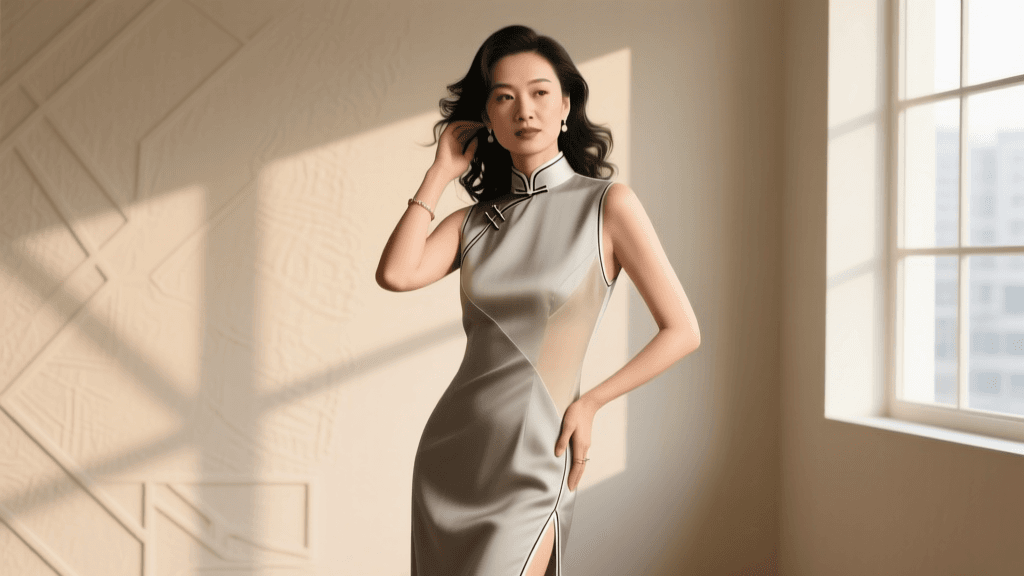
The qipao, widely known in the West as the cheongsam, is arguably the most recognizable garment in Chinese fashion history. While its roots trace back to the loose-fitting, floor-length robes of the Manchu people during the Qing Dynasty, the silhouette we recognize today was born in the cosmopolitan hub of 1920s Shanghai. Influenced by Western tailoring, the modern qipao evolved into a form-fitting, knee-length dress featuring a high Mandarin collar, asymmetrical side slits, and intricate frog button closures known as pankou. According to the Fashion Institute of Technology's Fashion History Timeline, this 1920s transformation was heavily driven by Chinese feminists and students who adopted the garment as a symbol of gender equality and modernity, shedding the restrictive layers of traditional Hanfu for a streamlined, singular piece.
Today, the qipao is experiencing a massive renaissance. The rise of the xin zhongshi (New Chinese Style) movement has propelled the cheongsam from a rigid, ceremonial uniform into a versatile staple for contemporary wardrobes. Designers are deconstructing the traditional silhouette, playing with asymmetric hemlines, oversized fits, and unconventional fabrics, making it highly relevant for modern consumers who wish to honor their heritage without feeling costumed.
Sourcing Your Modern Qipao: Bespoke vs. Ready-to-Wear
When investing in a qipao, the first decision is choosing between bespoke tailoring and ready-to-wear retail. A traditional bespoke qipao from a master tailor in Shanghai or Hong Kong is a masterpiece of engineering. The process requires multiple fittings and takes anywhere from four to eight weeks. Costs for authentic bespoke silk qipaos typically range from $800 to over $3,000, depending on the complexity of the embroidery and the prestige of the tailor.
Conversely, the ready-to-wear market has exploded, offering accessible entry points into cheongsam fashion. Brands like Shanghai Tang offer luxury ready-to-wear pieces, while contemporary indie labels on platforms like Taobao and Etsy provide modern, everyday interpretations ranging from $80 to $300. When buying ready-to-wear online, understanding your precise measurements is critical, as traditional qipaos leave little room for error.
Key Measurements for a Flawless Fit
- Bust, Waist, and Hips: Measure at the fullest points. A traditional qipao requires a 1-2 cm ease for breathing room, whereas modern streetwear interpretations may require 4-5 cm of ease.
- Mandarin Collar Height: Standard collars range from 3 cm to 5 cm. If you have a shorter neck, opt for a 2.5 cm collar to avoid chafing and discomfort.
- Shoulder Slope and Armhole: The armhole in a traditional qipao is cut remarkably high and tight to allow for arm mobility without pulling the bodice. Ensure your tailor or size chart accounts for this specific structural quirk.
- Dress Length and Slit Placement: For modern daily wear, a midi-length (calf-grazing) dress with slits starting just above the knee is the most practical and flattering proportion.
The Fit and Fabric Matrix: Choosing the Right Qipao
The fabric dictates the drape, formality, and care requirements of your cheongsam. While traditional brocade and heavy silks remain popular for weddings and banquets, modern styling favors fluid, breathable textiles. Below is a comprehensive guide to selecting the right fabric for your lifestyle.
| Fabric Type | Best Occasion | Drape & Fit | Care Instructions | Avg. Cost Range |
|---|---|---|---|---|
| Silk Crepe de Chine | Cocktail parties, dates, summer events | Fluid, elegant, forgiving | Dry clean only; avoid direct sunlight | $150 - $400 |
| Woven Brocade (Zhuanghua) | Weddings, Lunar New Year, galas | Stiff, structured, formal | Professional spot clean or dry clean | $250 - $800+ |
| Linen & Cotton Blends | Daily wear, office, casual outings | Breathable, relaxed, matte | Machine wash cold, hang dry, iron damp | $60 - $150 |
| Velvet & Corduroy | Winter events, holiday parties | Heavy, warm, luxurious texture | Dry clean; steam to remove crush marks | $120 - $300 |
Contemporary Styling: How to Wear the Cheongsam Today
The key to pulling off a qipao in the 2020s is juxtaposition. Styling the garment with contrasting, modern pieces prevents it from looking like a costume or a rigid hotel uniform. As noted by cultural commentators at BBC Culture, the qipao has always been a canvas for cross-cultural exchange and modern rebellion, a tradition that today's youth are eagerly continuing.
Footwear and Layering Formulas
Ditch the traditional stilettos. The most stylish modern iterations of the qipao are grounded with chunky footwear. Pair a floral silk midi-qipao with white leather sneakers or chunky combat boots to instantly edge up the silhouette. For cooler weather, layering is essential. A fine-gauge merino wool turtleneck worn underneath a sleeveless or short-sleeved cotton qipao creates a sophisticated, intellectual aesthetic perfect for creative offices or gallery openings.
Outerwear also plays a crucial role. Throwing an oversized, structured menswear blazer or a cropped vintage leather jacket over a form-fitting cheongsam balances the dress's inherent femininity with sharp, utilitarian lines. This styling technique is a cornerstone of the xin zhongshi trend, blending heritage elegance with urban streetwear.
"The modern qipao is not about preserving a museum piece; it is about claiming a cultural silhouette and forcing it to work for the pace and attitude of contemporary life."
Accessory Selection
When it comes to jewelry, avoid matching sets of jade or pearls, which can age the look significantly. Instead, opt for minimalist, architectural metal jewelry. Chunky gold hoop earrings, sculptural brass cuffs, or a sleek geometric clutch bag provide a striking visual contrast to the organic, traditional motifs often found in qipao embroidery. The intricate pankou frog buttons already serve as a focal point, so keep necklaces delicate or omit them entirely in favor of statement earrings.
Occasion Guide: From Boardroom to Wedding Guest
To help you integrate the cheongsam into your social calendar, here is a practical styling guide for various modern occasions:
- The Creative Boardroom: Opt for a knee-length, mandarin-collar sheath dress in a muted tone like charcoal, navy, or olive green. Choose a structured cotton-blend fabric. Pair with pointed-toe loafers and a structured leather tote. Keep the pankou buttons minimal and hidden.
- Summer Wedding Guest: A floor-length or midi silk crepe de chine qipao in jewel tones (emerald, sapphire, or deep plum). Look for subtle, tonal embroidery rather than high-contrast gold dragons. Style with strappy block heels and a delicate silk fan or minimalist clutch.
- Casual Weekend Brunch: Embrace the relaxed fit. Choose a short, A-line qipao made from breathable linen or chambray. Leave the top collar button undone for a relaxed vibe, and pair with canvas slip-on sneakers and a woven rattan crossbody bag.
- Evening Cocktail Party: Make a statement with a velvet or sequined mini-qipao. The shorter hemline modernizes the traditional cut. Pair with sheer black tights, ankle boots, and a bold, dark lip color to channel a modern, neo-noir Shanghai aesthetic.
Conclusion: Embracing the Living Garment
The cheongsam is not a relic of the past; it is a living, breathing garment that continues to evolve alongside the women and men who wear it. By understanding the nuances of fit, respecting the history of the textile, and boldly experimenting with contemporary styling, you can seamlessly integrate the qipao into your modern wardrobe. Whether you are commissioning a bespoke silk masterpiece or picking up a relaxed linen version from an indie designer, the modern qipao offers a profound connection to Asian heritage while remaining fiercely relevant on the global fashion stage. For further reading on the intersection of heritage and modern luxury, industry reports from Jing Daily highlight how younger demographics are actively reshaping the market, ensuring the qipao's legacy for generations to come.