Mens Hanfu Styling Guide: Fit, Fabrics, And Silhouettes
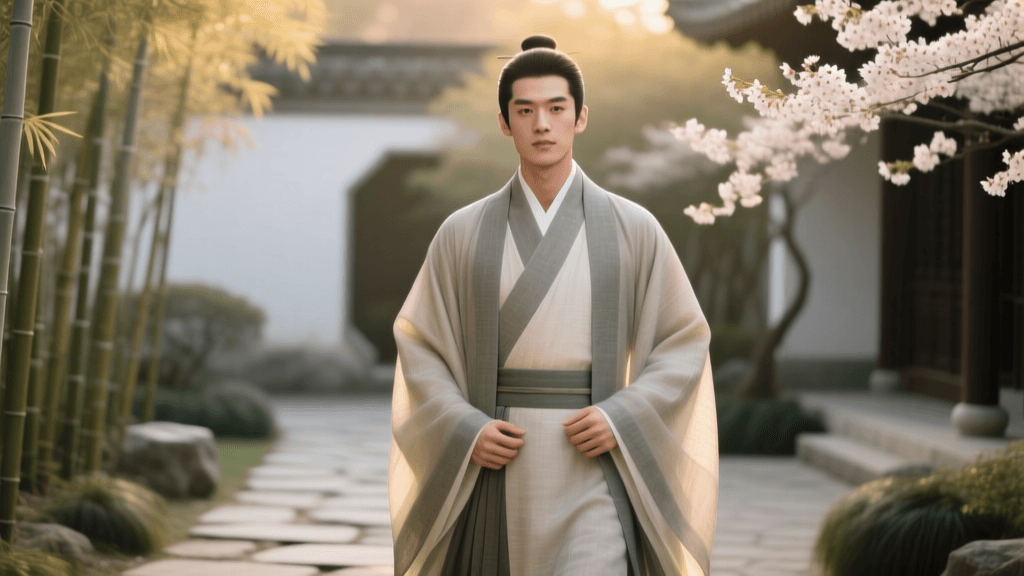
The Renaissance of Masculine and Gender-Neutral Hanfu
The global resurgence of traditional Chinese clothing, known as the Hanfu movement, has largely been spearheaded by young women reviving Tang and Ming dynasty aesthetics. However, a rapidly growing demographic of men and gender-nonconforming individuals are now reclaiming historical menswear and unisex silhouettes. According to industry reports covered by Reuters, the Hanfu market has exploded into a multi-billion dollar industry, with mens and gender-neutral lines seeing unprecedented year-over-year growth.
Unlike Western historical tailoring, which relies on darts, structured shoulders, and form-fitting cuts to emphasize binary body shapes, traditional Hanfu is cut flat. The T-shaped construction and reliance on wrapped closures, draping, and belting make it inherently inclusive. This structural philosophy allows the garments to flow over diverse body types, making Hanfu an exceptional medium for gender-neutral fashion and masculine styling alike. As noted by BBC Culture, the movement is not merely a cosplay trend, but a profound reconnection with heritage that allows modern wearers to redefine contemporary gender expressions through historical lenses.
Core Silhouettes for Mens and Gender-Neutral Wardrobes
When building a masculine or gender-neutral Hanfu wardrobe, understanding the historical context and structural differences of core silhouettes is essential. Here are the foundational garments to explore:
1. The Daopao (Taoist Robe)
The Daopao is a staple of Ming dynasty menswear. It is a full-length, cross-collared robe featuring side slits and distinctive side panels that fold inward, creating a structured, dignified drape. It is typically worn with a leather or silk belt. For gender-neutral styling, the Daopao offers a commanding, monastic silhouette that obscures the waistline and creates a striking vertical line. Expect to pay between $90 and $180 USD for a quality cotton or linen Daopao from reputable online retailers.
2. The Yuanlingpao (Round Collar Robe)
Popularized during the Tang and Ming dynasties, the Yuanlingpao features a round neckline that fastens at the right shoulder. It is often layered over a white inner garment with a visible standing collar. This robe is highly versatile; Tang-era versions feature wider, flowing sleeves for a romantic, gender-fluid aesthetic, while Ming-era versions have tighter cuffs and a more structured shoulder, ideal for traditional masculine presentations.
3. The Yisan (Folding Robe)
The Yisan is a martial-inspired garment characterized by a cross-collar top and a pleated skirt attached at the waist. Historically worn by guards and military officials, the Yisan provides a broad-shouldered, dynamic look. The waist seam allows for greater mobility, making it a favorite for travel photography and active wear. It pairs exceptionally well with leather bracers and riding boots.
4. The Shenyi (Deep Robe)
For those seeking a deeply philosophical and gender-neutral option, the Shenyi is a one-piece robe that connects the upper jacket and lower skirt. Rooted in Confucian ideals of unity and propriety, its flowing, unstructured nature makes it a beautiful canvas for minimalist, avant-garde styling.
Fabric Selection: Drape, Season, and Structure
Fabric choice dictates how a Hanfu garment interacts with the body. Because Hanfu lacks tailored seams, the weight and drape of the textile are responsible for the garment's entire silhouette.
| Fabric Type | Best Season | Drape & Structure | Estimated Cost (USD) | Styling Notes |
|---|---|---|---|---|
| Heavy Linen | Spring / Autumn | Structured, matte, breathable | $70 - $120 | Ideal for Daopao; provides a monastic, intellectual aesthetic. |
| Silk Brocade (Zhuanghua) | Winter / Formal | Stiff, heavy, opulent | $250 - $600+ | Best for Yuanlingpao; holds shoulder shape well for masculine framing. |
| Cotton Twill | Year-round | Soft, durable, moderate drape | $50 - $90 | Great for daily wear and gender-neutral layering. |
| Chiffon / Organza | Summer | Sheer, flowing, ethereal | $60 - $110 | Used in outer layers (Pifeng) for Tang-inspired gender-fluid looks. |
The Art of the Fit: Measuring for Unstructured Garments
Buying Hanfu requires a shift in how you think about sizing. Western sizing focuses on chest, waist, and hip measurements. Hanfu sizing focuses on shoulder span, sleeve length, and overall garment length. According to historical textile analyses from institutions like the Metropolitan Museum of Art, traditional Chinese garments were woven to specific loom widths, meaning the fit was adjusted via wrapping and belting rather than cutting.
Essential Measurements for Mens and Gender-Neutral Hanfu:
- Shoulder Seam Drop: Hanfu shoulder seams are designed to drop past the natural shoulder. Measure from the nape of your neck, over the shoulder, and down to where you want the seam to sit (usually 2-4 inches past the natural shoulder joint).
- Sleeve Length (Xiu):strong> Historical sleeves often extend past the fingertips. For a modern, practical masculine look, measure from the center back of the neck, across the shoulder, and down to the wrist bone. For traditional formal wear, add 6 to 10 inches to this measurement to achieve the elegant 'returning sleeve' (huixiu) drape.
- Garment Length: Measure from the prominent vertebra at the base of the neck down to the desired hemline. For a Daopao or Yuanlingpao, the hem should rest exactly at the ankle bone to prevent tripping while maintaining a regal silhouette.
- The Cross-Collar Rule: Regardless of gender presentation, the left side of the collar must always cross over the right side (Jiaoling Youren). This is a non-negotiable rule of Hanfu styling, as reversing it is historically reserved for the deceased.
Accessorizing: Grounding the Look
Accessories bridge the gap between historical costume and modern fashion. For masculine and gender-neutral styling, focus on structural and utilitarian accents.
- Footwear: Avoid modern sneakers. Opt for leather riding boots, traditional cloth boots (Xuezi), or minimalist leather loafers. Black or dark brown leather grounds flowing robes and adds a necessary masculine anchor to the outfit.
- Headwear (Guan & Jin): The Tang-style Futou (stiff-winged hat) or the Ming-style Wangjin (netted hair cap) are excellent for formal events. For casual, gender-neutral street styling, a simple leather topknot cuff or a woven bamboo hat adds a cinematic, wandering-scholar vibe.
- Belts and Sashes: While silk sashes are common, menswear heavily utilizes the 'Geda' (knotted leather belt) or wide brocade cummerbunds. A leather belt with a subtle brass clasp instantly modernizes a Daopao.
Market Guide: Where to Buy and What to Spend
The Hanfu market is vast, but finding brands that specialize in authentic menswear and structured, gender-neutral cuts requires knowing where to look. As reported by the Global Times, the market has matured significantly, moving away from cheap costume replicas to high-quality, historically informed garments.
"When investing in mens Hanfu, prioritize brands that use traditional loom widths and natural fibers. The structural integrity of a Ming dynasty robe relies entirely on the weight of the fabric and the precision of the side-panel pleating."
Recommended Brands for Mens & Gender-Neutral Hanfu:
- Chonghui Hantang (重回汉唐): One of the most accessible and reputable brands. They offer excellent entry-level menswear, particularly cotton and linen Daopao and Yuanlingpao, ranging from $60 to $130 USD.
- Minghuatang (明华堂): The pinnacle of Ming dynasty restoration. Their garments are museum-quality, utilizing authentic silk brocades and meticulous tailoring. Prices start around $400 USD and can exceed $2,000 USD for full formal sets. Ideal for weddings and high-end editorial photography.
- Zhongzheng Hanfu (中正汉服): Known for robust, masculine cuts and martial-inspired Yisan robes. Excellent for broader shoulders and taller frames, with prices averaging $100 to $200 USD.
Ultimately, styling Hanfu from a masculine or gender-neutral perspective is an exercise in embracing volume, drape, and historical elegance. By focusing on accurate measurements, selecting weighty natural fabrics, and grounding the look with structured accessories, wearers can transcend modern gender binaries and step into a timeless, dignified sartorial tradition.