Ceremonial vs Everyday Kimono and Hanbok: 2026 Fabric Guide
The Evolution of Traditional Dress in 2026
As we navigate the global fashion landscape of 2026, the dichotomy between ceremonial and everyday traditional Asian garments has never been more fascinating. On one hand, hyper-traditional ceremonial wear remains a bastion of ancestral craftsmanship, utilizing centuries-old weaving techniques and luxurious, high-maintenance fabrics. On the other hand, the everyday traditional garment has experienced a massive renaissance, driven by the slow fashion movement and a desire for wearable cultural heritage. For enthusiasts, collectors, and modern wearers, understanding the structural, material, and stylistic differences between these two categories is essential.
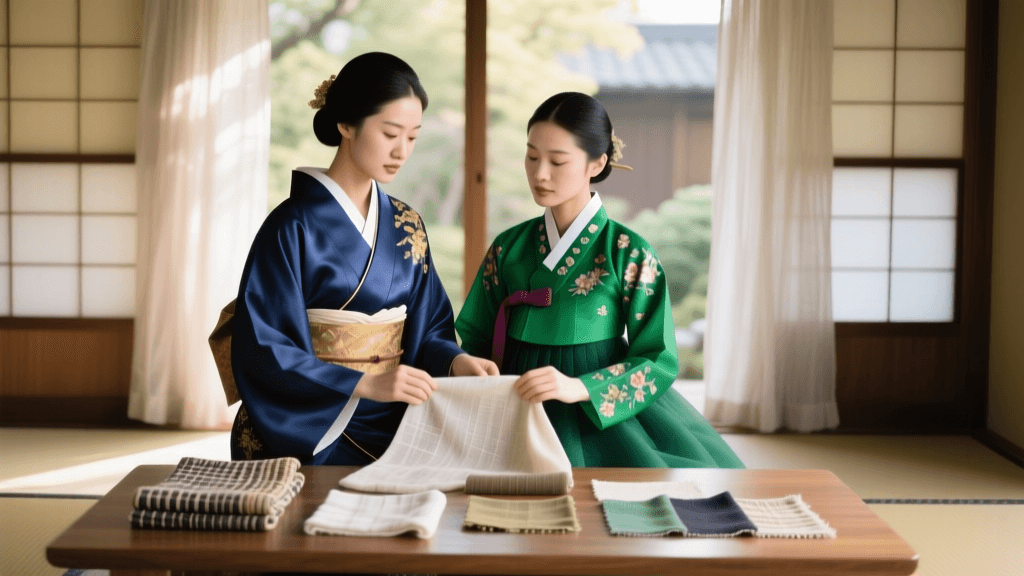
In this comprehensive guide, we will explore the distinct worlds of the Japanese kimono and the Korean hanbok. By contrasting their ceremonial counterparts with their everyday iterations, we can better appreciate how these iconic garments have adapted to contemporary life in 2026 while fiercely protecting their historical roots. Whether you are sourcing a piece for a upcoming wedding or looking to integrate traditional silhouettes into your daily wardrobe, the fabric choices and construction methods will dictate your experience.
The Japanese Kimono: Ceremonial vs. Everyday
Ceremonial Kimono: The Pinnacle of Silk Craftsmanship
Ceremonial kimono, such as the kurotomesode (worn by married women at weddings) and the furisode (worn by unmarried women at coming-of-age ceremonies), represent the absolute zenith of Japanese textile arts. In 2026, the market for authentic, newly woven ceremonial silk remains highly exclusive. The primary fabric of choice is Nishijin-ori, a luxurious brocade woven in Kyoto that incorporates gold and silver threads, requiring master artisans to operate complex Jacquard-style looms.
According to the Victoria and Albert Museum's extensive archives on the kimono, the structural integrity of a ceremonial kimono relies heavily on the weight and drape of the silk. These garments are fully lined and often feature multiple layers of padding at the hem to ensure a flawless, bell-like silhouette when the wearer kneels or walks. The motifs are not merely printed; they are meticulously dyed using the yuzen technique, hand-painted, and embellished with gold leaf. Due to the shrinking number of master weavers and the rising cost of raw silk, a bespoke, brand-new ceremonial kimono in 2026 can easily command prices upwards of $10,000 USD, making them prized heirlooms rather than casual purchases.
Everyday Kimono: Cotton, Denim, and Washable Silks
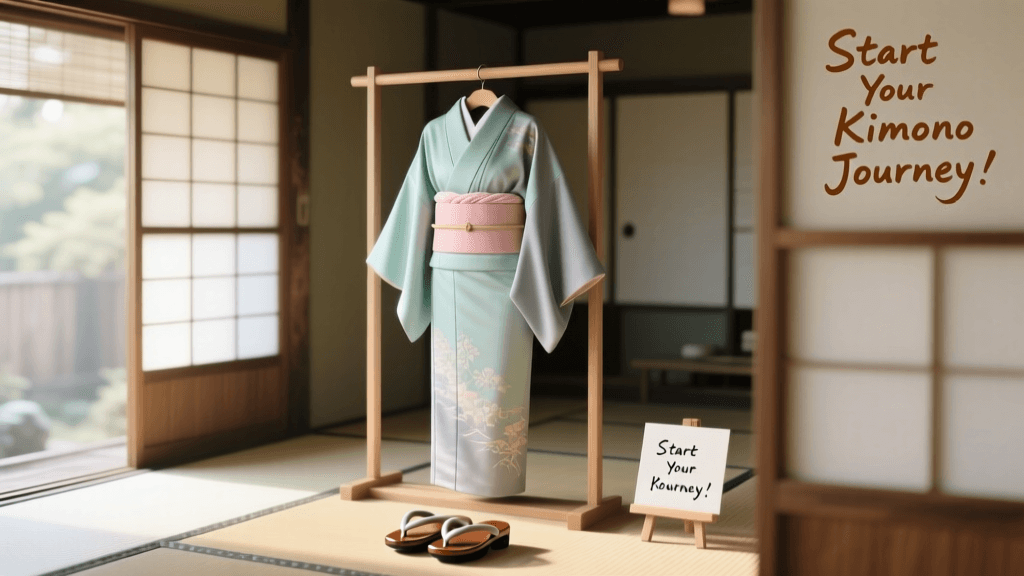
The everyday kimono category, encompassing the komon (all-over patterned kimono) and the summer yukata, is where modern innovation truly shines. In 2026, the everyday kimono has been fully embraced by streetwear enthusiasts and minimalists alike. The traditional stiff silks have been largely replaced by high-grade combed cottons, breathable linens, and even denim blends. The yukata, originally a bathhouse garment, is now the standard for summer festivals and casual outings, prized for its unlined, lightweight construction.
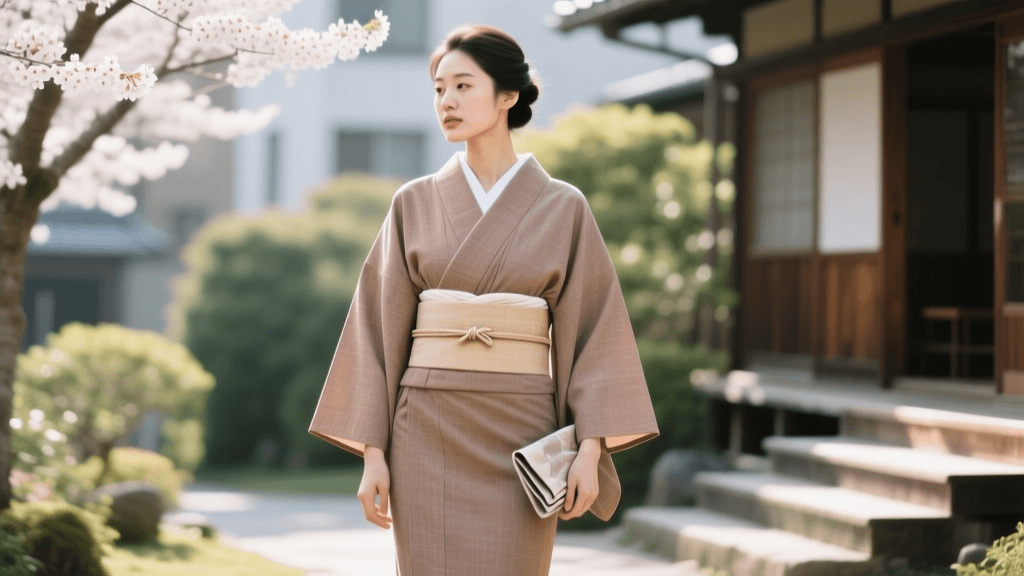
Furthermore, the 2026 market has seen a massive surge in 'washable silks'—silk blends treated with modern, eco-friendly enzymes that allow the garment to be gently machine-washed without losing its luster or structural integrity. Historical weaving techniques detailed by the Metropolitan Museum of Art, such as tsumugi (a rustic, slubbed pongee silk), have also been adapted into modern, matte-finish everyday kimono that resist wrinkling and offer a subdued, sophisticated aesthetic perfect for the modern workplace or a casual tea gathering.
The Korean Hanbok: Ceremonial vs. Everyday
Ceremonial Hanbok: Voluminous Silks and Gold Leaf
The ceremonial hanbok is characterized by its dramatic volume, vibrant primary colors, and intricate embellishments. Garments like the hwalot (a traditional bridal robe) and the wonsam (a ceremonial court robe) are designed to project majesty and formality. The foundational fabric for high-end ceremonial hanbok is myeongju, a tightly woven, lustrous silk that holds the garment's stiff, architectural pleats beautifully.
As noted by the official Korean government cultural portal, the ceremonial hanbok is deeply tied to Confucian ideals of modesty and cosmic harmony, which is reflected in the use of the five cardinal colors (obangsaek). In 2026, the application of geumbak (gold leaf imprinting) on the sleeves and chest of bridal and first-birthday (doljanchi) hanbok remains a highly specialized, expensive process. Because ceremonial hanbok require complex layering—including the inner sokjeoksam and structural petticoats to achieve the iconic bell-shaped chima (skirt)—they are almost exclusively rented or custom-tailored for specific life events, with bespoke 2026 pricing ranging from $2,500 to $6,000 USD.
Everyday Hanbok: The Saenghwal Hanbok Revolution
The saenghwal hanbok (daily life hanbok) has undergone a radical transformation over the last decade, culminating in the sleek, minimalist designs dominating 2026. Stripped of the voluminous petticoats and blindingly bright ceremonial colors, the everyday hanbok focuses on fluid draping, muted earth tones, and unparalleled comfort. Designers are utilizing modern poly-blends, soft ramie (mosi), and lightweight cotton-linen mixes that mimic the sheen of silk but offer the breathability required for daily commutes.
The silhouette of the 2026 everyday hanbok often features a shortened, modernized jeogori (jacket) and an A-line skirt that falls just below the knee or to the ankle, allowing for ease of movement on public transit and in modern office environments. The tie (goreum) is often simplified or replaced with discreet magnetic closures hidden beneath traditional-looking facades. This category has successfully bridged the gap between historical costume and contemporary high fashion, making it a staple in the wardrobes of young professionals in Seoul and global cultural hubs.
Comparative Data Table: Ceremonial vs. Everyday Garments (2026)
To help you navigate your purchasing or styling decisions, below is a structured comparison of the primary fabrics, estimated costs, and care requirements for both ceremonial and everyday garments in the current market.
| Garment Type | Category | Primary Fabric (2026) | Est. Cost (USD) | Maintenance & Care |
|---|---|---|---|---|
| Furisode / Kurotomesode | Ceremonial Kimono | Nishijin-ori Silk Brocade | $8,000 - $15,000+ | Specialist dry clean only; store flat in paulownia wood boxes. |
| Komon / Yukata | Everyday Kimono | Combed Cotton / Washable Silk | $150 - $800 | Machine wash cold (mesh bag); hang dry; iron on low heat. |
| Hwalot / Wonsam | Ceremonial Hanbok | Myeongju Silk with Geumbak | $2,500 - $6,000 | Spot clean or specialist heritage textile cleaning; avoid folding gold leaf. |
| Saenghwal Hanbok | Everyday Hanbok | Linen-Ramie / Poly-Blends | $120 - $450 | Gentle machine wash or hand wash; steam to remove wrinkles. |
Sourcing, Styling, and Care in 2026
Sourcing authentic traditional garments in 2026 requires a nuanced approach. For ceremonial pieces, buyers are increasingly bypassing middlemen and working directly with heritage ateliers in Kyoto and Jeonju. These ateliers offer virtual consultations using 3D body scanning technology, ensuring that the complex measurements required for a perfect ceremonial fit are captured accurately, no matter where the buyer resides. When investing in ceremonial silk, always request a certificate of authenticity detailing the specific weaving region and the artisan's lineage.
For everyday garments, the 2026 market is flooded with incredible independent designers who merge traditional cutting techniques with sustainable, deadstock fabrics. When styling an everyday kimono or hanbok, the modern rule of thumb is 'one traditional, one modern.' Pair a cotton yukata with leather boots and a structured modern handbag, or style a linen saenghwal skirt with a simple, high-quality cashmere turtleneck. This juxtaposition honors the garment's history while firmly planting it in the present day.
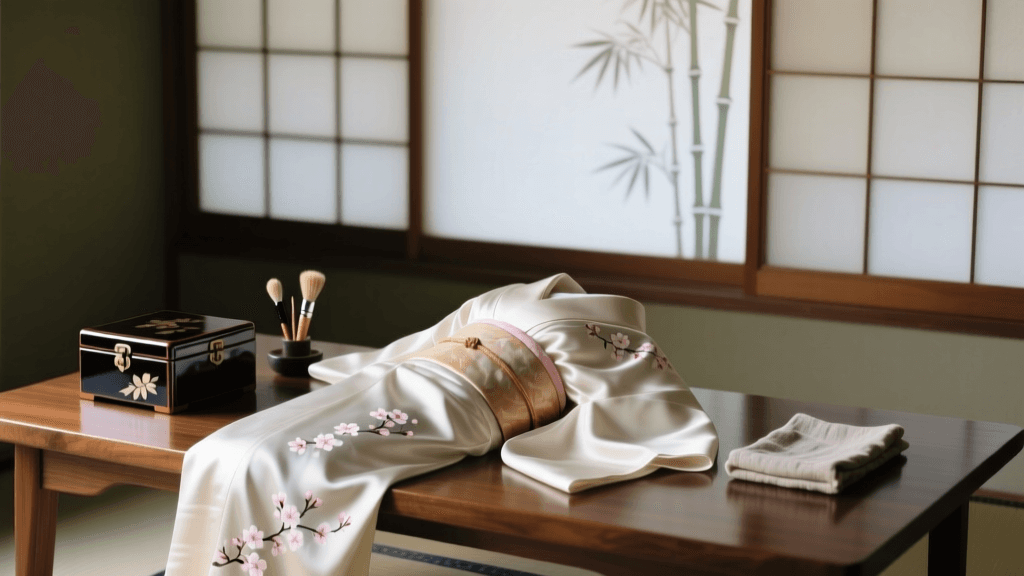
Care is the final, crucial differentiator. Ceremonial garments are highly susceptible to humidity and light damage. In 2026, eco-friendly, non-toxic dry cleaning solvents are the industry standard for silks, preventing the yellowing associated with older chemical processes. Everyday garments, however, are designed for autonomy. Investing in a high-quality handheld steamer is highly recommended for everyday hanbok and kimono, as it refreshes the fibers and removes odors without the need for frequent washing, thereby extending the lifespan of your daily traditional wear.
Conclusion
The divide between ceremonial and everyday kimono and hanbok is not a clash of old versus new, but rather a beautiful spectrum of cultural expression. Ceremonial garments serve as vital, living museums of textile artistry, preserving the meticulous hand-dyeing and weaving techniques that define Asian heritage. Meanwhile, everyday garments prove that traditional silhouettes are not relics of the past, but adaptable, comfortable, and deeply relevant components of a modern, sustainable wardrobe. By understanding the fabrics, costs, and care requirements outlined in this 2026 guide, you can confidently build a traditional wardrobe that respects history while embracing the future.