Anime Cosplay Kimono: A Guide to Taisho Roman Styling
The Intersection of Anime, Manga, and Traditional Kimono
For decades, traditional Japanese garments have served as a profound source of inspiration for global pop culture. Today, the intersection of anime, manga, and traditional kimono styling has birthed a vibrant subculture where historical accuracy meets fandom devotion. Series set in the early 20th century, such as Demon Slayer (Kimetsu no Yaiba), Sakura Wars, and Taisho Otome Fairy Tale, have sparked a massive resurgence in the popularity of vintage kimono, particularly those from the Taisho era (1912–1926). For cosplayers and fashion enthusiasts, recreating these looks offers a unique opportunity to engage with authentic Japanese heritage while celebrating beloved fictional characters.
Unlike standard fantasy cosplay, which often relies on synthetic fabrics and glued armor, anime-inspired kimono styling—often referred to as 'Taisho Roman' fashion—encourages the use of genuine silk garments, traditional weaving techniques, and historical dressing methods known as kitsuke. This guide will walk you through the practical steps of sourcing, measuring, and styling authentic kimono for anime conventions and photoshoots, bridging the gap between traditional Asian garments and modern otaku culture.
Decoding the Taisho Roman Aesthetic
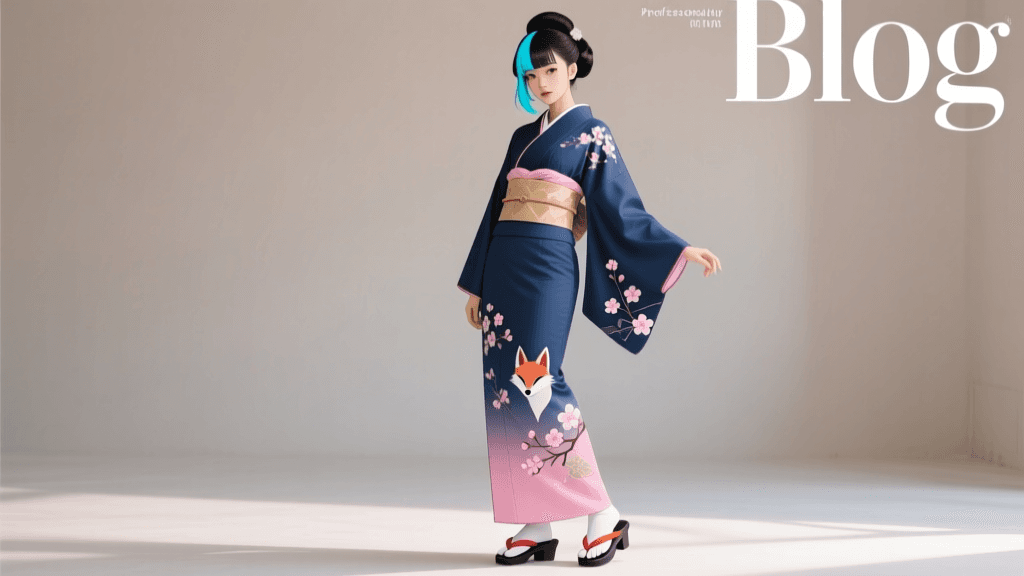
The Taisho era was a brief but culturally explosive period in Japanese history, characterized by rapid modernization, democratic movements, and the influx of Western fashion. According to the Kyoto Costume Institute, this era saw Japanese women blending traditional silk kimono with Western accessories like lace collars, Victorian button-up boots, and wide-brimmed hats. This hybrid aesthetic, known as 'Taisho Roman,' is the foundational visual language for countless anime and manga series.
When cosplaying characters from this genre, the goal is to capture this specific fusion. You are not just wearing a kimono; you are styling a garment that reflects a society in transition. This means embracing bold, geometric patterns, dark and moody color palettes (like deep burgundies, navy blues, and mustard yellows), and incorporating Western textiles into traditional silhouettes.
Sourcing Authentic Vintage Kimono for Cosplay
To achieve an authentic anime-inspired look, avoid cheap, mass-produced 'cosplay costumes' made of polyester. Instead, source genuine vintage kimono. The Taisho and early Showa eras produced a specific type of silk called Meisen. Meisen kimono were woven from pre-dyed threads, resulting in bold, slightly blurred geometric patterns that look incredibly striking on camera and are highly prized by anime fans.
Where to Buy
- Japanese Recycle Shops: Stores like Tansuya and Chicago (with locations in Tokyo and Kyoto) offer racks of vintage Meisen and hakama for reasonable prices, typically ranging from 5,000 to 15,000 JPY ($35 to $100 USD).
- Online Auctions: Yahoo Auctions Japan and Mercari Japan are goldmines for specific anime-accurate patterns. Use proxy services like Buyee or ZenMarket to bid from overseas.
- Specialty Exporters: Websites like Ichiroya and Yamatoku specialize in exporting vintage Japanese textiles globally, offering detailed condition reports essential for delicate silks.
Crucial Measurements for Accuracy
Kimono are not sized like Western clothing (S, M, L). They are measured in specific dimensions that dictate how the garment folds and drapes. When buying online, you must check these three measurements:
- Yuki (Sleeve Span): Measured from the center of the back collar, across the shoulder, and down to the wrist. For most adult women, a yuki of 64cm to 68cm is standard. If the yuki is too short, the anime silhouette will look awkward and modern.
- Mitage (Back Length): Measured from the base of the collar down to the hem. The ideal length is roughly your height minus 20-30cm, allowing for the ohashori (the fold at the waist). A standard mitake is around 100cm to 120cm.
- Kurikoshi (Back Seam Depth): A small fold sewn into the back of the collar to help it sit properly against the neck. Vintage kimono usually have a kurikoshi of 2cm to 3cm, which is vital for achieving the elegant, sloping neckline seen in anime character designs.
Essential Accessories for the Anime-Inspired Silhouette
The magic of Taisho Roman cosplay lies in the accessories. To elevate a standard kimono into an anime-accurate ensemble, you must integrate specific historical and stylistic elements.
- Lace Han-Eri (Half Collar): Replace the standard white silk collar cover with a detachable lace or embroidered han-eri. This frames the face and adds the quintessential Western-Japanese fusion look.
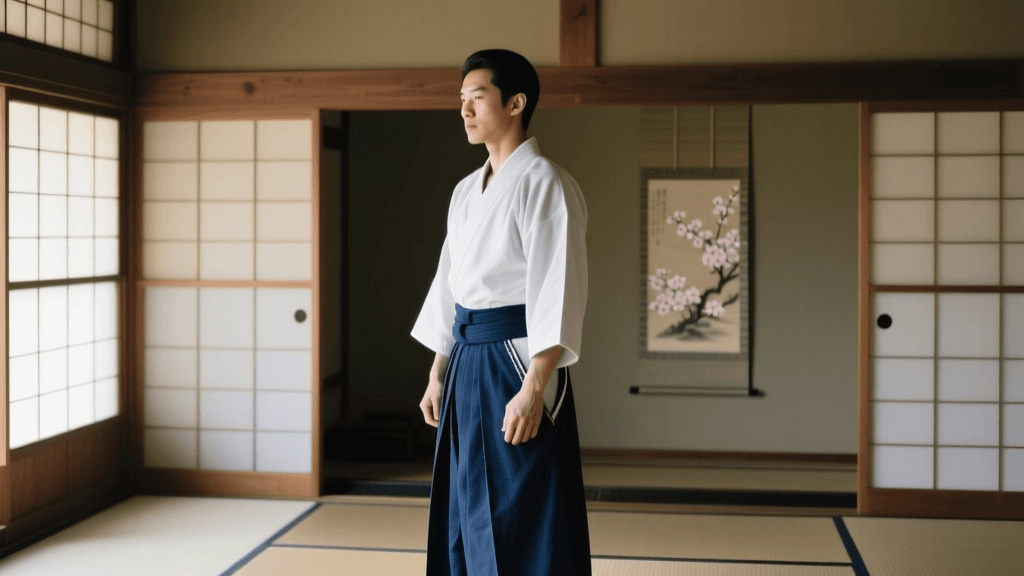
- Hakama: Many anime characters (and historical female students of the era) wear andon-bakama (pleated, skirt-like trousers) over their kimono. Look for vintage hakama in deep maroon or navy blue. Ensure it has a stiff koshi-ita (back board) for an authentic silhouette.
- Footwear: Swap traditional zori sandals for Victorian-style lace-up leather boots or Mary Janes paired with dark stockings. This is a hallmark of the Taisho anime aesthetic.
- Hair Ribbons and Bows: Large, velvet or silk ribbon bows tied at the back of the hair or integrated into the obi (sash) are incredibly common in manga character designs from this era.
Traditional Kitsuke vs. Anime Cosplay Styling
While respecting the traditional art of kitsuke is important, anime and manga often exaggerate certain proportions for dramatic effect. Understanding the differences between traditional formal wear and cosplay styling will help you make informed choices for your character.
| Feature | Traditional Formal Kitsuke | Anime / Taisho Roman Cosplay |
|---|---|---|
| Silhouette | Cylindrical, minimizing curves for a tubular shape. | Slightly more relaxed, occasionally allowing natural waist definition for dynamic posing. |
| Collar (Eri) | Tightly pulled back, showing exactly two fingers of space at the nape. | Often worn slightly looser or lower to accommodate lace collars and dramatic necklines. |
| Obi Placement | Positioned high, just under the bust, to elongate the lower body. | Sometimes worn slightly lower on the natural waist to mimic Western belt placement or character art. |
| Footwear | White tabi socks with zori sandals. | Western boots, Mary Janes, or platform shoes; tabi are often skipped. |
Convention Survival: Kitsuke Hacks for Cosplayers
Wearing a multi-layered silk kimono and heavy hakama for eight hours at an anime convention is a physical endurance test. The Japan National Tourism Organization frequently highlights the booming trend of 'anime tourism,' where fans travel specifically to visit real-world locations featured in their favorite shows, often requiring long days of walking in traditional garb. To survive a convention floor or a long day of location scouting, modern cosplayers rely on a few strategic hacks that traditionalists might frown upon, but are essential for practicality.
Securing the Garment
Traditional kitsuke relies entirely on the tension of silk ties (koshi-himo). For a crowded convention, supplement your ties with a Korin Belt—an elastic belt with clips that secures the collar and front panels without the need for complex tying. Use double-sided fashion tape (magic tape) along the collar to prevent it from gaping when you bend over for photos.
Managing the Ohashori
The ohashori (the fold at the waist) can slip out of the obi during active movement. To prevent this, use an obi-itame (a stiff board inserted inside the obi) that features a built-in elastic belt or Velcro. This keeps the front of the obi perfectly flat and locks the fabric layers in place, ensuring your character's design remains intact from the first panel to the final masquerade.
Respecting the Culture While Embracing Fandom
As noted by cultural authorities like Web Japan, the global appreciation for Japanese traditions often begins with pop culture entry points like anime and manga. When you choose to wear an authentic, vintage kimono for cosplay, you are participating in a living tradition. By taking the time to learn proper folding techniques, understanding the history of the Meisen silk on your back, and treating the garment with care, you elevate your cosplay from a simple costume to a profound homage to Japanese textile history. The Taisho Roman aesthetic was born from a desire to blend the old world with the new; as a cosplayer, you are continuing that exact legacy, weaving your love for anime into the rich, silken threads of Asian tradition.