The Ultimate Guide to Tai Chi Uniforms and Wushu Practice Wear
The Intersection of Movement, Mindfulness, and Apparel
Tai Chi Chuan and traditional Wushu are far more than mere physical exercises; they are moving meditations that require a seamless connection between the mind, the body, and the environment. As noted by the Harvard Medical School, Tai Chi improves balance, flexibility, and cardiovascular health through slow, deliberate, and continuous movements. To execute these flowing forms—ranging from the foundational 24-form to advanced sword and fan routines—practitioners require clothing that offers zero restriction. This is where the traditional Tai Chi uniform, often referred to as a Tai Chi suit or Wushu practice wear, becomes an essential tool for the martial artist.
Unlike modern athletic wear, which often relies on tight, compressive synthetic fabrics, traditional Chinese practice wear is rooted in the philosophy of Qi (vital energy) flow. Loose, breathable garments allow the body to move through deep stances without binding, while natural fibers help regulate body temperature and maintain a grounded connection to the earth. In this comprehensive guide, we will explore the anatomy, fabric choices, precise measurements, and cultural nuances of selecting the perfect Tai Chi and Wushu practice wardrobe.
The Anatomy of a Traditional Tai Chi Uniform
A standard Tai Chi suit typically consists of two main pieces: a traditional top and wide-legged trousers. While modern practitioners sometimes mix and match with contemporary athletic wear, purists and competitors adhere to specific design elements that honor the art's heritage.
The Tai Chi Top (Tangzhuang Influence)
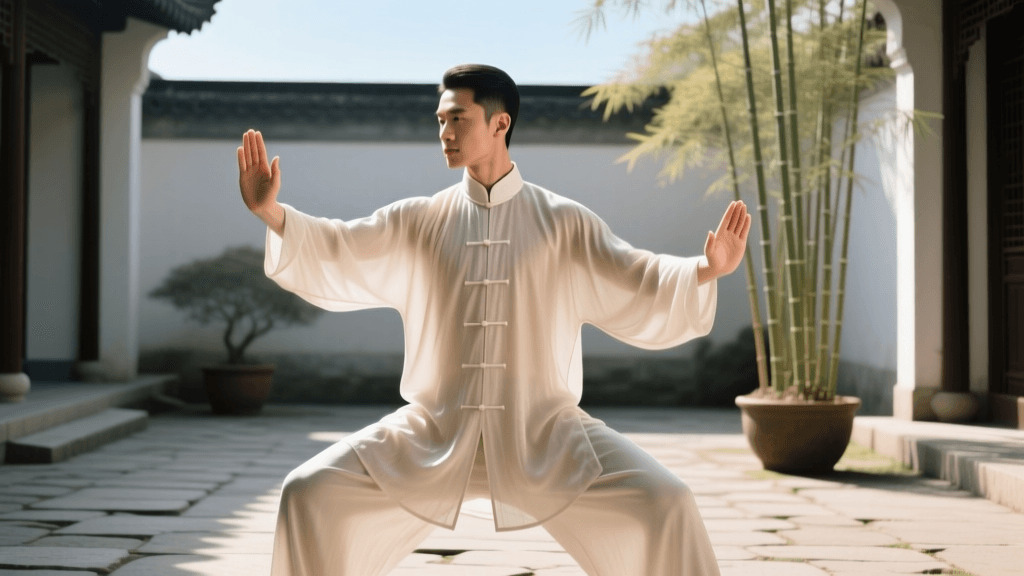
The traditional top is heavily influenced by the Tangzhuang (Tang suit) and the Duangao (short jacket). Key features include:
- Mandarin Collar: A short, unfolded stand-up collar that prevents fabric from rubbing against the neck during head turns and shoulder rolls.
- Frog Buttons (Pankou): Hand-woven knotted buttons that serve as functional fasteners and decorative elements. They lie flat against the chest, ensuring they do not catch on weapons or props during practice.
- Side Slits and Gussets: Vents at the hips allow the top to drape elegantly over the waistband of the trousers, accommodating deep lunges and horse stances without the fabric riding up.
- Tapered or Elastic Cuffs: Sleeves are traditionally wide but often feature snap buttons or elasticated inner cuffs to keep the fabric away from the wrists, which is crucial when handling a Tai Chi sword or fan.
The Practice Trousers
Tai Chi trousers are designed specifically for the extreme lower-body mobility required in Wushu. They feature a high, elasticated waistband secured with a cotton drawstring. The most critical design element is the drop-crotch or gusseted inseam, which allows the practitioner to sink into a deep Ma Bu (horse stance) or Gong Bu (bow stance) without the seams tearing or restricting the inner thighs.
Fabric Selection: Silk, Cotton, and Modern Blends
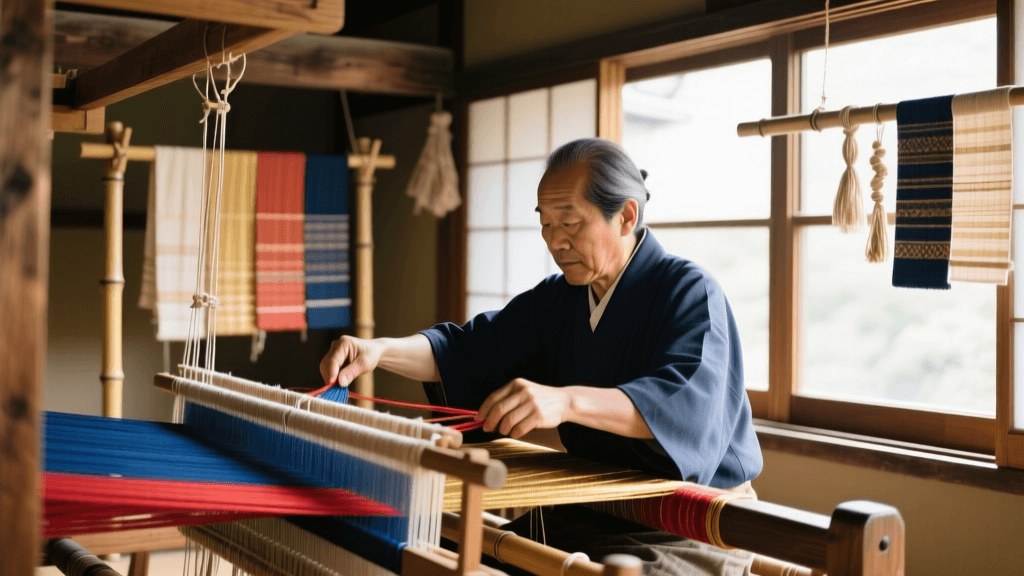
The choice of fabric dictates the drape, breathability, and longevity of your practice wear. Historically, silk has been the premier textile in China. According to the Metropolitan Museum of Art, silk production and weaving have been central to Chinese culture and trade for millennia, prized for its luxurious drape and temperature-regulating properties. However, modern practitioners have a variety of options depending on their climate and budget.
| Fabric Type | Weight & Drape | Breathability | Cost Range (USD) | Best Use Case |
|---|---|---|---|---|
| Mulberry Silk | Lightweight, fluid drape | High | $80 - $150+ | Indoor practice, competitions, summer |
| Raw Cotton | Medium weight, structured | Medium | $25 - $50 | Daily outdoor practice, spring/autumn |
| Linen / Cotton-Linen | Lightweight, slightly stiff | Very High | $50 - $90 | Hot and humid climates, summer |
| Brushed Cotton / Fleece | Heavyweight, soft drape | Low | $60 - $100 | Winter outdoor practice, cold studios |
| Ice Silk (Viscose Blend) | Lightweight, slippery drape | High | $30 - $60 | Budget-friendly summer alternative to silk |
For beginners, a mid-weight raw cotton or cotton-linen blend is highly recommended. It offers durability for daily training and withstands frequent washing better than delicate silks. Advanced practitioners and competitors often invest in high-grade mulberry silk or heavy silk brocade for demonstrations, as the fabric catches the light and accentuates the fluidity of the movements.
Sizing, Fit, and Measurements for Unrestricted Flow
Ill-fitting clothing can disrupt your focus and restrict blood flow during prolonged stances. When ordering a Tai Chi suit, especially from overseas artisans or specialized martial arts suppliers, precise measurements are vital.
Key Measurements to Take
- Chest and Shoulders: Measure around the fullest part of the chest. The jacket should allow for at least 3 to 4 inches of ease so that crossing the arms (a common movement in forms like 'Cloud Hands') does not pull the fabric tight across the back.
- Sleeve Length: Measure from the base of the neck, across the shoulder, and down to the wrist bone. Traditional sleeves should end exactly at the wrist joint to prevent interference with hand forms.
- Inseam and Outseam: Measure from the crotch to the ankle bone. Tai Chi trousers should ideally end 1 to 2 inches above the ankle bone to prevent the hem from being stepped on during footwork transitions.
- The Drop-Crotch Depth: When reviewing size charts, look for the crotch depth measurement. A standard pair of pants has a crotch depth of about 10-12 inches. Tai Chi trousers should have a drop-crotch depth of 14 to 18 inches, providing the necessary 2 to 4 inches of extra fabric to accommodate deep knee bends.
Color Symbolism in Wushu and Tai Chi
While you can practice in any color, traditional Wushu and Tai Chi communities often observe subtle color symbolism. White is the most common color for beginners and is heavily associated with purity, clarity, and the metal element in traditional Chinese philosophy. It also makes it easy for instructors to see the alignment of your joints and spine. Black represents water, depth, and mastery, often worn by senior practitioners and instructors. Red symbolizes fire, vitality, and good fortune, frequently worn during festivals, demonstrations, or competitive routines. Many practitioners also wear two-piece suits that contrast a white top with black pants, visually representing the balance of Yin and Yang.
Footwear: Grounding Your Practice
The Mayo Clinic emphasizes that Tai Chi is a weight-bearing exercise that significantly improves proprioception and balance. To maximize this benefit, your footwear must allow you to feel the ground. Modern running shoes with thick, cushioned heels elevate the center of gravity and destabilize the ankle during single-leg stances like 'Golden Rooster Stands on One Leg'.
Traditional Tai Chi shoes feature:
- Thin, Flat Soles: Usually 3mm to 5mm thick, made of rubber or layered canvas, allowing the nerve endings in the feet to sense the terrain.
- Wide Toe Box: Allows the toes to splay naturally, providing a wider base of support and better grip on the floor.
- Flexible Uppers: Canvas or soft leather that bends entirely with the foot during heel-to-toe rolling steps.
- Popular Styles: The classic Feiyue martial arts shoe (originating in Shanghai in the 1920s) remains a gold standard, costing between $15 and $30. Alternatively, traditional cloth slippers with stitched cotton soles are preferred for indoor wooden floors.
Caring for Your Martial Arts Wardrobe
Proper maintenance ensures your garments retain their shape and structural integrity. Cotton and linen suits can generally be machine washed on a gentle, cold-water cycle and air-dried. However, silk requires meticulous care. Hand-wash silk uniforms in cold water using a pH-neutral detergent designed for delicates. Never wring or twist silk, as this breaks the natural fibers and ruins the drape. Instead, press the water out by rolling the garment in a clean, dry towel, and hang it to dry in the shade. Direct sunlight will rapidly degrade silk proteins and cause the vibrant dyes to fade. Store your practice wear on wide, padded hangers to maintain the shape of the Mandarin collar and shoulder seams.
Conclusion
Investing in a proper Tai Chi uniform is an investment in your martial arts journey. The right combination of breathable fabric, precise drop-crotch measurements, and minimalist footwear removes physical distractions, allowing you to focus entirely on the circulation of Qi and the precision of your forms. Whether you are practicing the slow, meditative movements of the Yang style in a misty park or executing the explosive, dynamic leaps of Chen style Wushu in a studio, traditional practice wear bridges the gap between ancient Chinese heritage and modern physical wellness.