Kimono vs Yukata vs Samue: 2026 Japanese Garment Guide
Introduction to Japanese Garments in 2026
The landscape of traditional Japanese clothing has evolved beautifully as we navigate through 2026. While the core silhouettes remain deeply rooted in centuries of history, modern innovations in sustainable textiles, washable silks, and contemporary styling have made these garments more accessible to a global audience than ever before. Whether you are attending a formal tea ceremony, enjoying a summer fireworks festival, or simply seeking elegant, breathable workwear for your home office, understanding the distinctions between the kimono, yukata, and samue is essential.
This comprehensive guide breaks down the structural, cultural, and practical differences between these three iconic garments. We will explore current market pricing, fabric technologies, and precise sizing metrics to help you build an authentic and functional Japanese wardrobe in 2026.
The Kimono: Formality, Layers, and Artistry
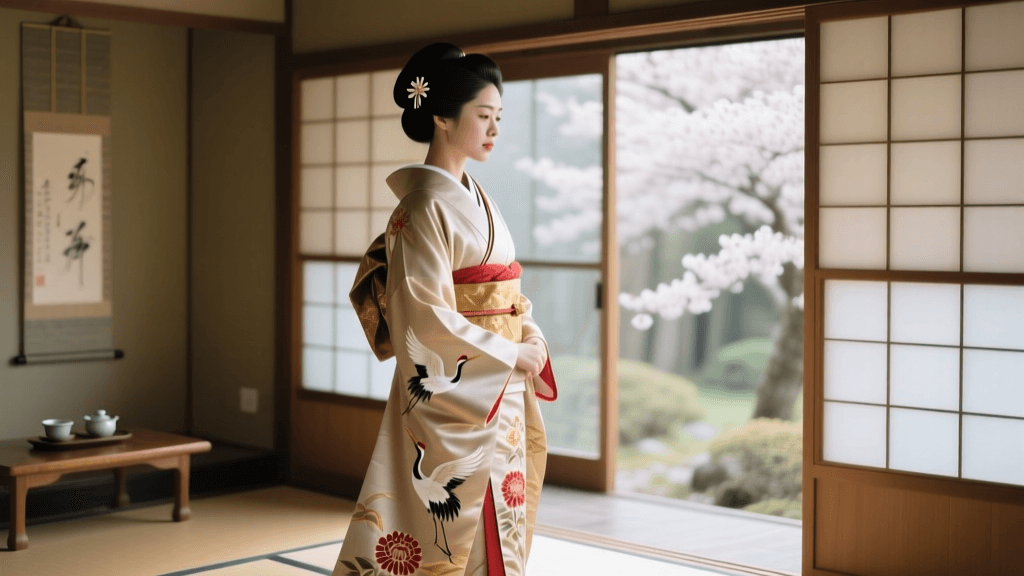
The kimono (literally translating to "thing to wear") is the most formal and complex of traditional Japanese garments. Characterized by its T-shaped, straight-lined construction, the kimono is wrapped left over right and secured with a wide sash known as an obi. The structural evolution of these garments is deeply rooted in history, as detailed by the Metropolitan Museum of Art's Heilbrunn Timeline, which traces the kimono's development from the Heian period to its status as a global fashion icon.
Key Kimono Types and 2026 Pricing
- Komon (Everyday Kimono): Featuring small, repeating patterns across the entire fabric. In 2026, eco-friendly digital printing on washable polyester-silk blends has made Komon highly popular for casual outings and dining. Price range: $250 - $600 USD.
- Homongi (Visiting Dress): A formal kimono with continuous patterns that flow across the seams. Worn for weddings, tea ceremonies, and formal parties. Authentic hand-dyed silk Homongi remain a luxury investment. Price range: $800 - $3,000+ USD.
- Furisode (Swinging Sleeves): The most formal kimono for unmarried women, recognizable by its exceptionally long, dramatic sleeves. Often rented for Coming of Age Day (Seijin no Hi), though 2026 has seen a surge in modern, minimalist Furisode purchases. Price range: $1,500 - $5,000+ USD.
Wearing a kimono requires several undergarments, including the nagajuban (under-kimono) and koshihimo (tying cords). For a deeper dive into the artistry of the obi and silk weaving, the Victoria and Albert Museum's comprehensive Kimono guide offers unparalleled insights into the sheer craftsmanship required to assemble a full formal ensemble.
The Yukata: Summer Breezes and Casual Elegance
If the kimono is the formal evening gown of Japan, the yukata is the sundress. Originally worn as a bathing cloth by nobility during the Heian period, the yukata transitioned into everyday summer wear during the Edo period. Today, it is the most widely owned and easily worn traditional garment.
Fabric Innovations and Styling
Traditionally made from lightweight, unlined cotton, the yukata in 2026 has embraced new material blends. Linen-cotton mixes offer superior breathability and a beautiful, rustic drape, while advanced moisture-wicking synthetic blends are favored for high-humidity summer festivals. Unlike the kimono, the yukata is worn directly over standard undergarments, eliminating the need for a nagajuban.
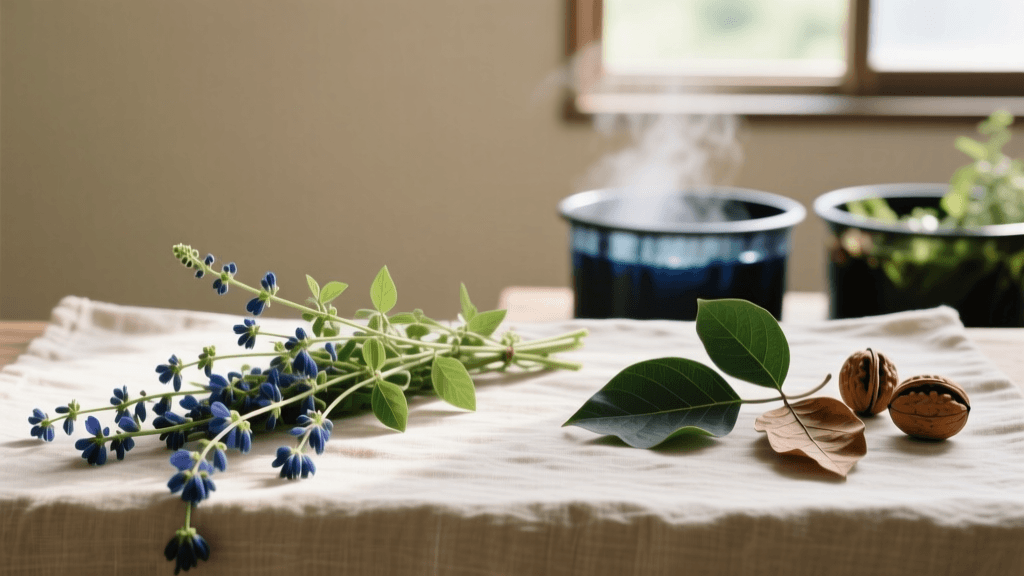
Styling a yukata is remarkably straightforward. It is secured with a simpler, narrower obi (often a pre-tied tsuke-obi for beginners) and paired with geta (wooden clogs) and a kinchaku (drawstring bag). Current 2026 trends heavily favor bold, geometric Art Deco patterns and sustainable, plant-based indigo dyes, moving away from the traditional floral motifs of the past decade. Average cost for a high-quality, complete yukata set in 2026: $80 - $180 USD.
The Samue: From Zen Monasteries to Modern Loungewear
The samue represents the utilitarian side of Japanese traditional dress. Originally designed as workwear for Zen Buddhist monks to wear while performing daily chores (samu) like sweeping temple grounds and chopping wood, the samue has experienced a massive resurgence in the 2020s as premium loungewear and artisan workwear.
Construction and Modern Utility
A samue consists of a wrap-style, long-sleeved top and loose-fitting, ankle-tied trousers. It is typically crafted from durable cotton, hemp, or modern tencel blends. Because it is a two-piece garment, it requires no obi, making it incredibly easy to put on and move around in. In 2026, the samue is heavily favored by remote workers, ceramicists, and chefs who desire the elegance of traditional Japanese aesthetics with the unrestricted mobility of modern activewear.
The preservation of the textile techniques used to create these durable work garments is globally recognized, with UNESCO's Intangible Cultural Heritage registry highlighting Japan's dedication to traditional craftsmanship, particularly in regions like Kurume and Iyo, famous for their robust cotton weaving. Average cost for a premium artisan samue set: $120 - $250 USD.
2026 Garment Comparison Chart
Use the table below to quickly determine which garment best suits your upcoming event, climate, or lifestyle needs.
| Garment | Primary Fabric | Formality Level | 2026 Avg. Price (USD) | Seasonality | Wearing Complexity |
|---|---|---|---|---|---|
| Kimono (Komon/Homongi) | Silk / Washable Poly | Semi-Formal to Formal | $250 - $3,000+ | Year-round (Layered) | High (Requires assistance or practice) |
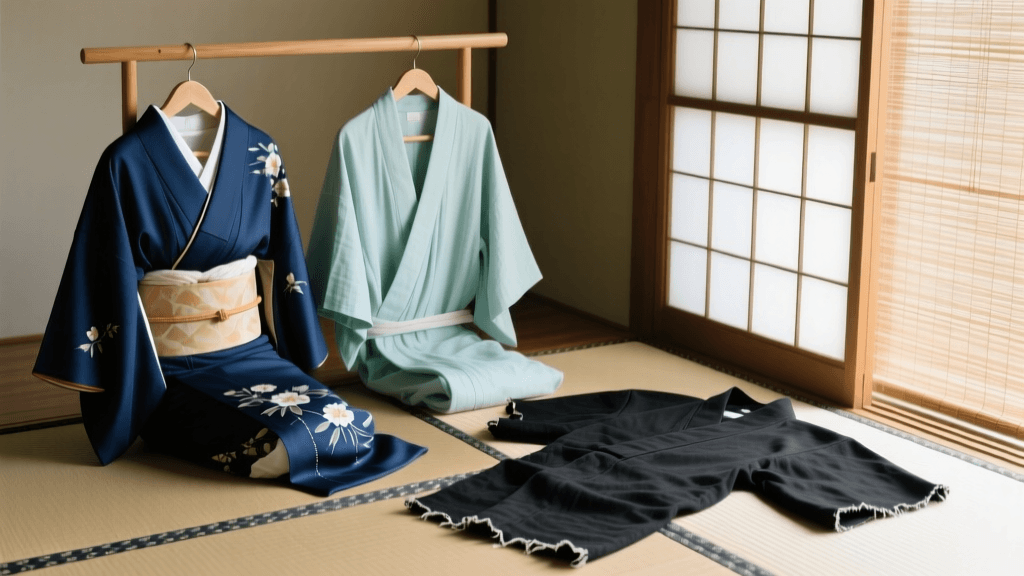
| Yukata | Cotton / Linen Blend | Casual / Summer Festivals | $80 - $180 | Summer / Warm Weather | Low (Easily self-dressed) |
| Samue | Cotton / Hemp / Tencel | Workwear / Loungewear | $120 - $250 | Year-round | Very Low (Pull-on / Wrap) |
Sizing and Fitting: The Geometry of Japanese Dress
Unlike Western clothing, which is tailored to the contours of the body, traditional Japanese garments are cut from standard-width bolts of fabric (called tanmono) and wrapped to fit the wearer. However, understanding two critical measurements is vital for a proper fit when shopping online in 2026:
1. Yuki (Center Back to Wrist)
The yuki is the most important measurement for kimono and yukata. It is measured from the center of the back of the neck, over the shoulder, and down to the wrist bone. A proper yuki ensures the sleeves fall gracefully without exposing the wrists or dragging excessively over the hands. To find your ideal yuki, measure from your C7 vertebra (the prominent bone at the base of your neck) to your wrist, and add approximately 2-3 centimeters for ease.
2. Mitsuhaba and Sleeve Width
While the overall width of the garment is generally standardized (around 60-64 cm across the back for standard sizes), the sleeve width (sodehaba) can vary. For larger body types, custom-width tanmono are increasingly available from modern Kyoto-based retailers, accommodating broader shoulders without compromising the traditional straight-line aesthetic.
Pro Tip for 2026 Buyers: When purchasing vintage or recycled kimonos from online Japanese marketplaces, always check the yuki measurement listed in the product details. A garment with a yuki smaller than your actual measurement will look visibly cramped and restrict arm movement.
Care, Maintenance, and Sustainable Practices
The maintenance of Japanese garments has been revolutionized by modern technology. Historically, silk kimonos had to be entirely disassembled, washed, and resewn—a process known as araihari. Today, this is rarely necessary.
Modern Washing Techniques
- Washable Silk and Poly-Blends: Many 2026 Komon and Yukata are treated with specialized hydrophobic coatings or woven from advanced polyester filaments that mimic the luster of silk. These can be gently hand-washed using pH-neutral detergents designed for delicate textiles.
- Maruarai (Whole Garment Washing): For authentic silk garments that cannot be washed at home, professional maruarai services use specialized solvents and ozone treatments to clean the entire garment without dismantling it. Expect to pay around $40 - $80 USD per garment for this service.
- Samue and Yukata Cottons: Standard cotton yukatas and samue can be machine washed on a gentle cycle inside a mesh laundry bag. To prevent shrinkage, always air dry them flat or hang them on a wide, specialized kimono hanger to maintain the straight seam lines.
Final Thoughts
Whether you are investing in a breathtaking silk Homongi for a formal gallery opening, packing a breathable linen Yukata for a summer trip to Kyoto, or adopting a hemp Samue for your daily creative practice, Japanese traditional garments offer a profound connection to artistry and mindful dressing. By understanding the distinct roles, sizing requirements, and modern care techniques of the kimono, yukata, and samue, you can confidently curate a wardrobe that honors tradition while perfectly suiting your lifestyle in 2026 and beyond.