Japanese Wedding Kimono Guide: Shiromuku to Iro-Uchikake
The Enduring Elegance of Japanese Bridal Wear
While Western-style white wedding gowns have become ubiquitous globally, the traditional Japanese wedding kimono remains a profound symbol of cultural heritage, familial honor, and spiritual purity. For brides choosing to honor their roots or embrace the rich textile history of Japan, navigating the world of ceremonial bridal wear can be both thrilling and overwhelming. Unlike a simple slip-on dress, a Japanese bridal ensemble is a complex, multi-layered architectural feat of silk, brocade, and symbolism. This comprehensive guide explores the primary styles of Japanese wedding kimono, the intricate art of kitsuke (dressing), and practical advice on costs, timelines, and rentals.
The Shiromuku: The Pinnacle of Purity
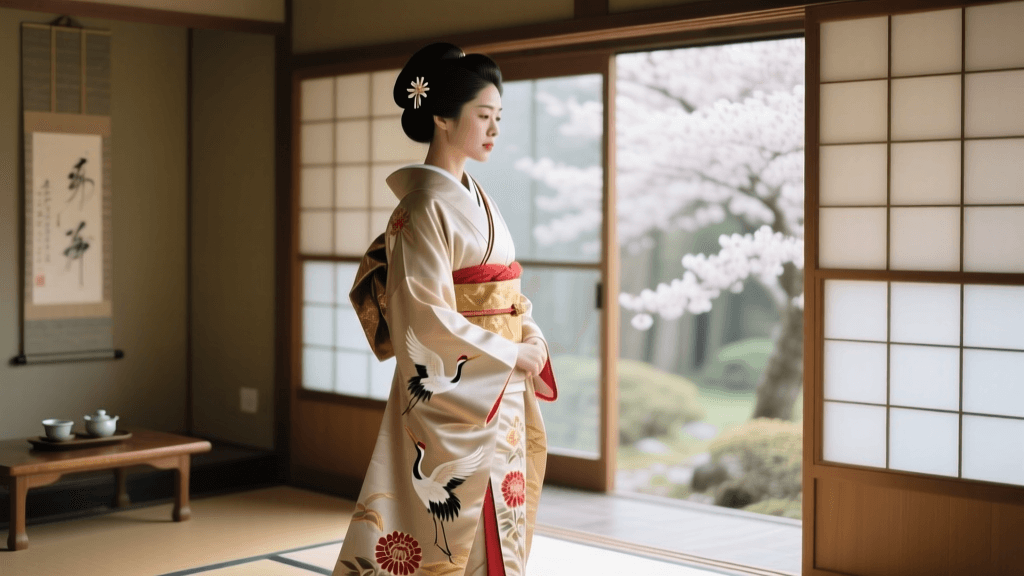
The shiromuku is the most formal and traditional wedding kimono, worn exclusively during the Shinto wedding ceremony. Translating literally to 'pure white,' this ensemble consists of an all-white uchikake (outer robe), kakeshita (inner kimono), obi (sash), and accessories. Historically, white in Japanese culture represents both purity and the willingness of the bride to be 'dyed' in the colors of her new husband's family. The subtle elegance of the shiromuku lies not in vibrant dyes, but in the intricate woven patterns and embroidery of cranes, pine trees, and plum blossoms that catch the light as the bride moves. According to textile historians at the Victoria and Albert Museum, the mastery of Japanese silk weaving and embroidery reached unprecedented heights during the Edo period, laying the groundwork for the luxurious bridal textiles we see today.
The Iro-Uchikake: A Celebration of Color
Following the solemn Shinto ritual, it is customary for the bride to change into a more vibrant outfit for the wedding reception—a tradition known as iro-naoshi. The iro-uchikake is a heavily padded, brightly colored outer robe worn over a base kimono. While red remains the most popular and auspicious color, modern brides frequently opt for black, gold, deep purple, or even pastel hues. The iro-uchikake is often adorned with lavish gold-leaf appliqué (kinpaku) and three-dimensional embroidery. Because the hem is heavily padded with cotton wadding, it trails elegantly on the floor, requiring the bride to walk with a deliberate, gliding grace. The visual impact of the iro-uchikake is designed to convey joy, prosperity, and the festive nature of the reception.
The Hiki-Furisode: Trailing Sleeves of Youth
Before the Meiji era popularized the uchikake as the standard bridal uniform, the hiki-furisode was the garment of choice for samurai and merchant-class brides. A furisode is characterized by its exceptionally long, swinging sleeves, which historically signaled that a woman was unmarried. The 'hiki' prefix refers to the trailing hem, which is pulled up and secured with an obi to create a beautiful, voluminous drape at the back. Today, the hiki-furisode is experiencing a renaissance among brides seeking a slightly less restrictive alternative to the heavy uchikake, offering a romantic, historical silhouette that is particularly stunning in outdoor garden ceremonies and professional photography sessions.
Comparing Bridal Kimono Styles
Selecting the right garment depends on the ceremony format, budget, and physical comfort. Below is a structured comparison to help brides make an informed decision:
| Kimono Style | Primary Color Palette | Avg. Rental Cost (USD) | Dressing Time | Best Ceremony Stage |
|---|---|---|---|---|
| Shiromuku | Pure White | $800 - $1,500 | 2.5 - 3 Hours | Shinto Shrine Ritual |
| Iro-Uchikake | Vibrant Colors (Red, Gold) | $600 - $1,200 | 2 - 2.5 Hours | Reception / Iro-naoshi |
| Hiki-Furisode | Rich Jewel Tones | $500 - $1,000 | 2 - 2.5 Hours | Reception / Photos |
The Art of Kitsuke: Dressing the Bride
Putting on a bridal kimono is not a simple task; it is a rigorous physical process that requires a licensed kitsuke professional. The entire ensemble can weigh between 15 to 20 kilograms (33 to 44 pounds). The process begins with specialized undergarments, including a hadajuban (thin inner robe) and a kimono bra to flatten the chest and create the ideal cylindrical silhouette. Next, the nagajuban (under-kimono) is tied, followed by the main silk kimono. The obi (sash) used for brides is typically a maru obi, which is heavily brocaded, stiff, and requires complex folding techniques like the bunko or taiko knots. The Metropolitan Museum of Art notes in its Heilbrunn Timeline of Art History that the structural complexity of the kimono and its sash evolved significantly to denote formality and social standing, a tradition strictly maintained in modern bridal wear.
'The transformation of the bride through kitsuke is a meditation in patience. Every fold, every tuck, and every silk tie is placed with intentionality, ensuring the garment remains flawless from the first shrine prayer to the final reception toast.'
Essential Accessories and Headpieces
No bridal kimono is complete without its accompanying accessories. For the shiromuku, brides typically wear either a wataboshi (a white silk hood that frames the face) or a tsunokakushi (a rigid, rectangular cloth worn around the forehead, literally translating to 'horn-hider,' symbolizing the bride's intent to hide any jealous or angry 'horns' and become a gentle wife). Hair is styled in an elaborate traditional updo called nihongami, adorned with kanzashi (tortoiseshell or silk hair ornaments) and fresh flowers. Brides also carry a sensu (folding fan) representing an expanding, prosperous future, and wear zori sandals with white tabi socks.
The Groom's Attire: Montsuki Hakama
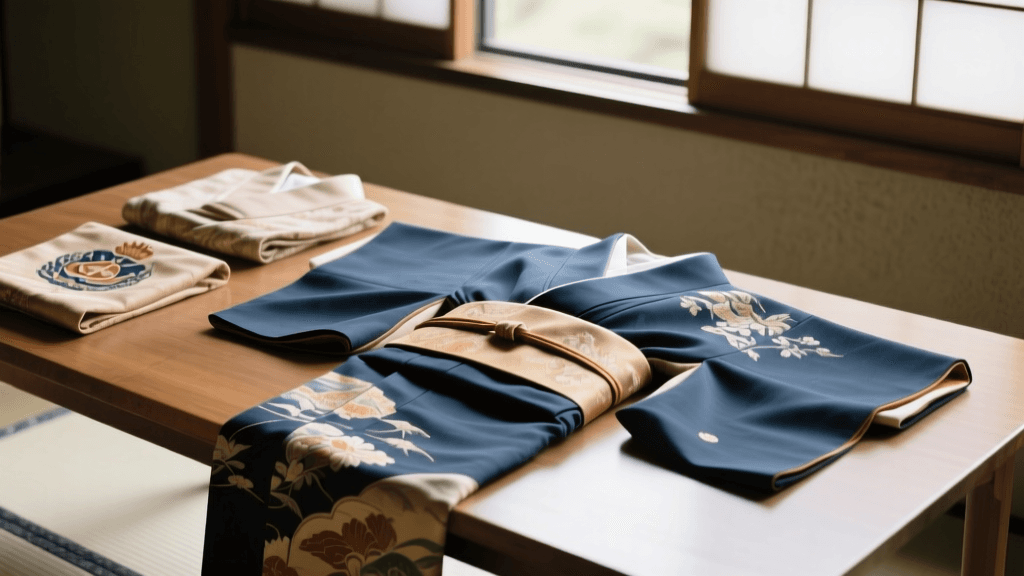
While the bride's wardrobe often takes center stage, the groom's ceremonial attire is equally steeped in tradition. For a Shinto wedding, the groom typically wears a montsuki haori hakama. This ensemble consists of a formal black silk kimono adorned with five family crests (mon), a pleated skirt-like garment (hakama), and a short jacket (haori). The stark, structured silhouette of the groom's dark hakama provides a striking visual contrast to the voluminous, brightly colored layers of the bride's uchikake. The groom also carries a white folding fan and wears traditional zori sandals with white tabi socks, completing the harmonious aesthetic of the Shinto ritual.
Practical Advice: Timelines, Costs, and Rentals
When to Book
Due to the meticulous preparation required, brides should begin researching and booking their kimono rental packages 8 to 12 months in advance. Popular wedding seasons in Japan (Spring and Autumn) see venues and premier kimono salons booked out over a year ahead. A hair and makeup trial, along with a preliminary fitting, should be scheduled at least 3 months prior to the wedding day.
Renting vs. Buying
While purchasing a brand-new, custom-tailored bridal kimono can cost anywhere from $5,000 to over $20,000, the vast majority of modern brides opt for rental packages. A comprehensive rental package from a reputable salon typically ranges from $1,500 to $3,500 and includes the shiromuku, iro-uchikake, all undergarments, accessories, professional dressing, hair styling, makeup, and sometimes even pre-wedding photography. As noted in industry reports covered by The Japan Times, the kimono rental market has evolved to offer highly curated, stress-free experiences that preserve traditional aesthetics without the burden of long-term garment maintenance and specialized storage.
Day-of Timeline
- 6:00 AM: Arrival at the salon; begin hair and makeup.
- 7:30 AM: Begin the kitsuke (dressing) process.
- 9:30 AM: Final adjustments, photography, and departure to the shrine.
- 12:00 PM: Post-ceremony quick change into the iro-uchikake (approx. 45 minutes).
Conclusion
Choosing to wear a traditional Japanese wedding kimono is a commitment to carrying forward centuries of artisanal craftsmanship and cultural narrative. Whether enveloped in the serene purity of a shiromuku or the vibrant opulence of an iro-uchikake, the bridal kimono transforms the wearer into a living work of art. By understanding the distinctions between styles, respecting the physical demands of the garments, and planning meticulously with experienced professionals, brides can ensure their wedding day is as seamless and breathtaking as the silk they wear.