Japanese Kimono Fabrics: Silk Types and Yuzen Dyeing Guide
The Foundation of Japanese Garment Craftsmanship
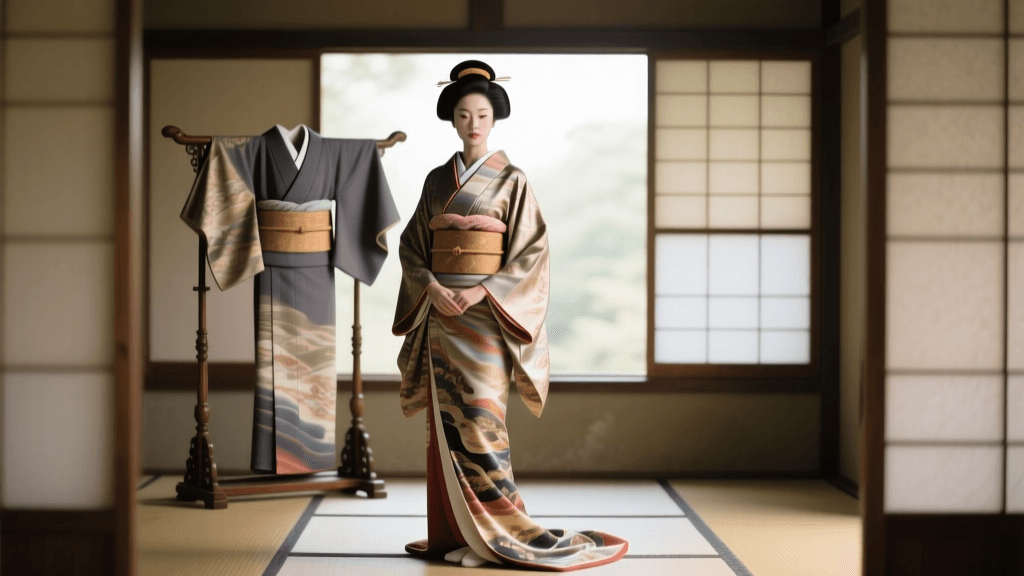
The traditional Japanese kimono is a masterclass in textile engineering, cultural symbolism, and artisanal dedication. Unlike Western tailoring, which relies on cutting fabric into complex, curved patterns to fit the body, the kimono is constructed from straight, rectangular pieces of fabric. This zero-waste approach is made possible by the tanmono (fabric bolt) system. According to the Metropolitan Museum of Art, the kimono's structural elegance is deeply intertwined with the specific dimensions and weaving techniques of these traditional bolts.
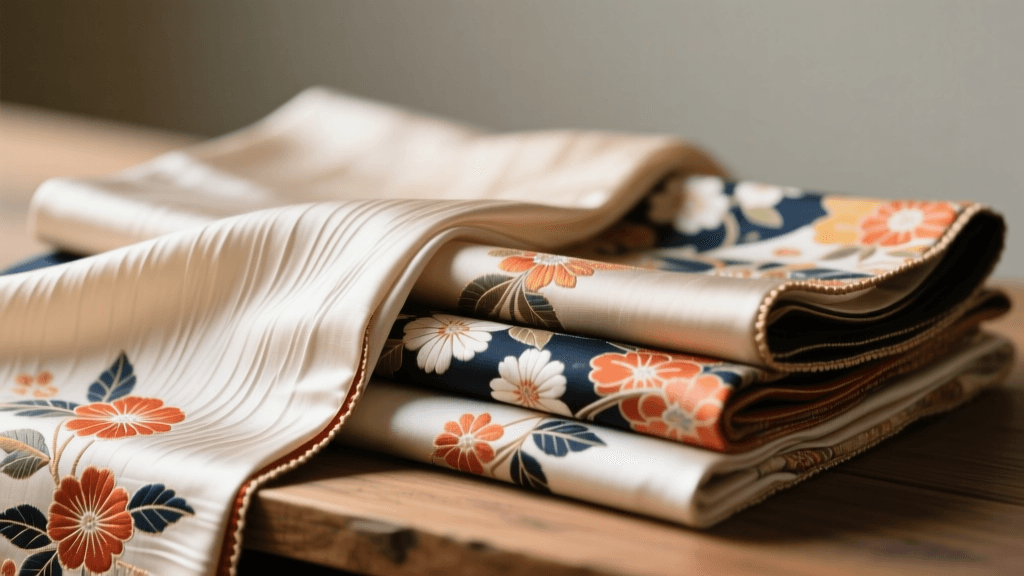
A standard tanmono measures approximately 36 centimeters (14 inches) in width and 12 meters (13 yards) in length. This exact dimension dictates the modular construction of the kimono, which utilizes two main body panels, two sleeve panels, and two overlap panels. For collectors, practitioners, and cultural enthusiasts, understanding the nuances of kimono fabrics and dyeing techniques is essential for appreciating the garment's true value, which can range from a few hundred dollars for vintage pieces to tens of thousands for contemporary bespoke commissions.
Traditional Kimono Silk Fabrics: A Weaver's Lexicon
Silk remains the most revered fiber in kimono craftsmanship. The texture, drape, and acoustic rustle of the silk are carefully selected based on the garment's intended formality and season. Below are the primary silk weaves utilized by master weavers in regions like Kyoto and the Tango Peninsula.
Tango Chirimen (Crepe Silk)
Originating from the Tango region in northern Kyoto Prefecture, Tango Chirimen is a highly prized crepe silk. The fabric's signature pebbled texture is achieved by using untwisted silk threads for the warp and tightly twisted silk threads (up to 3,000 twists per meter) for the weft. After weaving, the fabric is boiled to remove the sericin (silk gum), causing the weft threads to contract and create the microscopic bumps known as shibo. This texture not only provides a luxurious, tactile feel but also prevents the fabric from wrinkling easily and gives deep, rich absorption for dyes.
Habutae (Plain Weave Silk)
Habutae translates to 'feather two,' referencing its smooth, lustrous, and lightweight nature. Woven with a simple plain weave using thick, untwisted silk threads, Habutae possesses a brilliant sheen. While historically used for high-ranking formal garments, today it is predominantly utilized for the inner linings of high-end kimono and for undergarments like the juban. Its tight weave makes it an excellent canvas for intricate hand-painting.
Rinzu (Figured Silk)
Rinzu is a Japanese damask, created using a jacquard loom to weave intricate, reversible patterns directly into the fabric. The subtle, tonal motifs—often featuring auspicious symbols like cranes, pine trees, or geometric saya patterns—catch the light differently depending on the angle. Rinzu is heavily favored for formal wedding uchikake and high-grade furoshiki wrapping cloths due to its structural weight and visual depth.
Tsumugi (Silk Noil / Pongee)
Unlike the gleaming filaments of Chirimen or Habutae, Tsumugi is woven from spun silk noil (the shorter fibers leftover from reeling). The resulting fabric has a matte finish, a slubby texture, and a rustic, earthy appearance. Despite its humble origins as a peasant fabric, Oshima Tsumugi from Amami Oshima involves a staggering 30 to 40 distinct steps, including mud-dyeing, making it one of the most expensive and sought-after textiles in Japan today.
The Art of Color: Yuzen Dyeing Techniques
The application of color and pattern to kimono silk is an art form unto itself. The most celebrated technique is Yuzen, a resist-dyeing method invented in the late 17th century by Miyazaki Yuzensai. As documented by Kogei Japan, Yuzen revolutionized garment decoration by allowing artisans to paint pictorial, free-flowing designs directly onto the fabric without the colors bleeding into one another.
The Yuzen Process: Step-by-Step
- Shita-e (Under-drawing): The artisan sketches the design onto the white silk using aobana (dayflower juice), which washes away cleanly with water.
- Itome-nori (Rice Paste Resist): A thick, waterproof rice paste is carefully traced over the outlines of the sketch. This acts as a dam, preventing dyes from crossing the boundaries.
- Irosashi (Coloring): Artisans use fine brushes to paint vibrant dyes into the partitioned areas. Multiple layers are applied to achieve gradients (bokashi).
- Jizome (Background Dyeing): Once the painted details are steamed to set the dye, the entire fabric is coated with a protective paste and submerged in a vat to dye the background color.
- Mizumoto (Washing): The fabric is washed in cold, running river water to remove all pastes and excess dyes, revealing the crisp, pristine design.
Kyo-Yuzen vs. Kaga-Yuzen
While Kyoto's Kyo-Yuzen is known for its opulent use of gold leaf, embroidery, and vibrant, stylized motifs, Kanazawa's Kaga-Yuzen focuses on hyper-realistic, nature-inspired botanical motifs. Kaga-Yuzen is famous for its 'Kaga Gosai' (five specific colors: indigo, crimson, ochre, grass green, and royal purple) and the deliberate use of mushikui (insect-bitten leaves) to reflect the melancholic beauty of passing seasons.
Practical Guide: Sourcing, Bespoke Costs, and Timelines
Commissioning a bespoke, handcrafted kimono is a significant investment of both time and capital. For those looking to acquire authentic, newly crafted pieces, understanding the market logistics is crucial.
'A true bespoke kimono is not merely purchased; it is curated over months of collaboration between the wearer, the draper, and the artisan dyers, resulting in a garment that serves as a wearable heirloom.'
Cost Breakdown (Estimates in USD)
- Tanmono (Fabric Bolt): $400 for standard machine-loomed Chirimen; $1,500 to $3,000+ for hand-woven Oshima Tsumugi or premium Rinzu.
- Yuzen Dyeing & Embellishment: $2,000 to $8,000+, depending on the complexity of the pictorial motifs and the application of gold leaf or metallic threads.
- Karitaku (Tailoring): $300 to $600. Hand-sewing by a master wasai (kimono tailor) ensures that the stitches are slightly loose, allowing the fabric to stretch and be entirely taken apart for cleaning.
- Total Investment: A fully bespoke, hand-dyed formal kimono typically ranges from $4,000 to over $15,000.
Timelines and Measurements
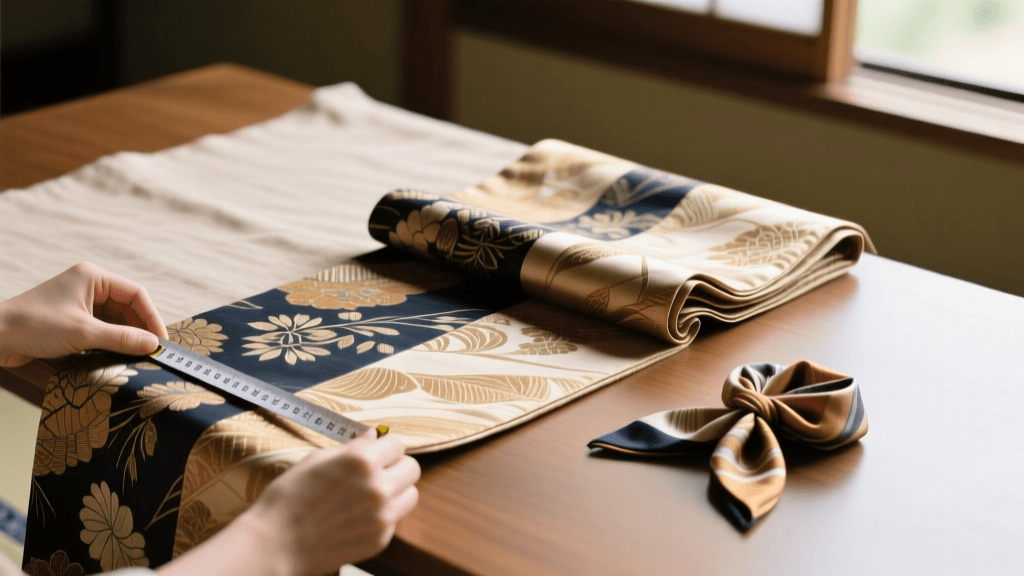
The creation of a handcrafted Yuzen kimono takes between 6 to 12 months. The weaving of specialized tanmono can add another 3 to 4 months. When ordering, precise measurements are required: the mitake (total length from shoulder to hem), yuki (center of the back neck to the wrist), and daki (hips/waist circumference). Unlike Western clothing, the kimono's fit is adjusted during the dressing process (kitsuke) using folding and tying techniques rather than altering the garment's seams.
Fabric Comparison Chart
| Fabric Type | Weave / Texture | Formality Level | Typical Use Case | Relative Cost |
|---|---|---|---|---|
| Tango Chirimen | Crepe, pebbled, matte finish | Medium to High | Houmongi, Tsukesage, everyday wear | $$ |
| Habutae | Plain weave, smooth, high sheen | High (when dyed) | Linings, Juban, formal inner layers | $ |
| Rinzu | Jacquard damask, patterned, heavy | Very High | Uchikake, Furisode, Kurotomesode | $$$ |
| Oshima Tsumugi | Pongee, slubby, matte, earthy | Low (Technically casual) | Everyday wear, intellectual circles | $$$$ |
Caring for Handcrafted Silk Kimono
Proper maintenance is vital to preserving the structural integrity and vibrant dyes of a silk kimono. Because traditional tailoring uses a running stitch, a kimono can be completely disassembled into its original tanmono shape—a process called arai-hari. This allows the fabric to be washed, stretched, and re-sewn, effectively making the garment brand new.
For routine care, avoid hanging silk kimono on standard wire hangers, as the weight of the fabric will distort the shoulders. Instead, fold the garment along its natural seams and store it flat in a breathable, acid-free paper sleeve (tatoushi) inside a cedar chest. Always include natural desiccants and avoid direct sunlight, which will rapidly degrade the protein structure of the silk and fade the delicate Yuzen dyes. As highlighted by the Victoria and Albert Museum, the preservation of these textiles requires strict climate control, maintaining a relative humidity of around 50% to prevent mold growth and fiber brittleness.
Conclusion
The craftsmanship behind the Japanese kimono represents a harmonious blend of mathematical precision in weaving and boundless artistic expression in dyeing. Whether it is the rustic charm of mud-dyed Tsumugi or the breathtaking pictorial landscapes of Kyo-Yuzen, understanding these fabrics transforms the way we view traditional Asian garments. They are not merely clothes; they are meticulously engineered canvases that carry the weight of history, regional geography, and the enduring spirit of Japanese artisanship.