Zen Mindfulness & Kimono Kitsuke: A 2026 Guide to Mindful Dress
The Intersection of Zen and Sartorial Mindfulness in 2026
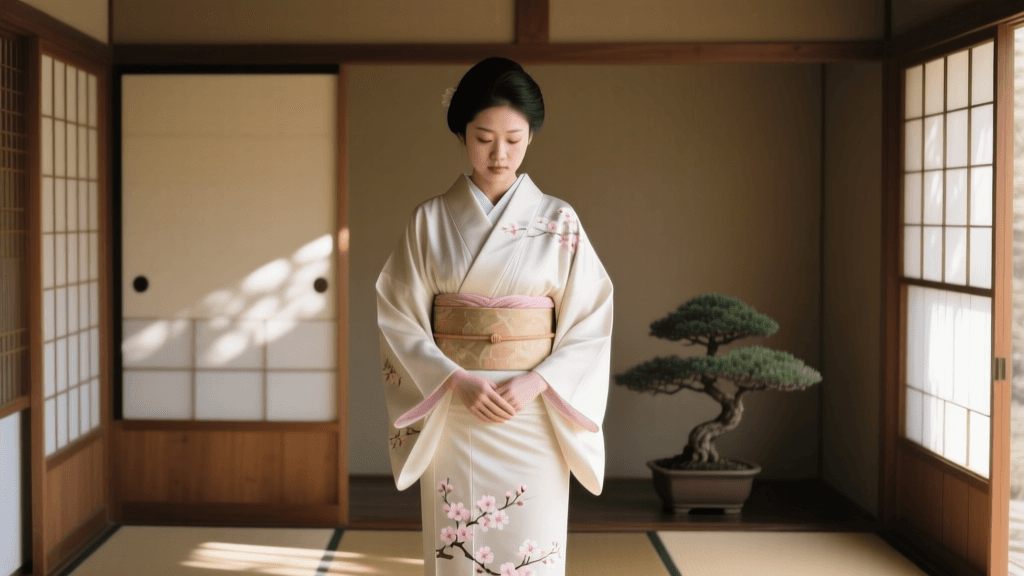
In the rapidly evolving wellness landscape of 2026, the global pursuit of mindfulness has shifted from digital applications to deeply tactile, analog practices. Among the most profound of these is the intersection of Zen spirituality and traditional Japanese clothing. The art of kitsuke (the wearing of the kimono) is no longer viewed merely as a historical fashion statement or a requirement for ceremonial occasions. Instead, it has been widely embraced by modern practitioners as a form of moving meditation. By engaging the senses, demanding physical precision, and requiring deep mental presence, the act of dressing in a kimono serves as a powerful gateway to Zen mindfulness.
For centuries, Zen Buddhism has emphasized the spiritual significance of everyday actions. Sweeping the temple grounds, preparing matcha, and donning monastic robes are all considered vital spiritual exercises. Today, as the slow fashion movement and holistic wellness trends converge, practitioners around the world are adopting the mindful dressing ritual to center their minds before seated meditation (zazen) or to cultivate continuous awareness throughout their daily routines.
The Philosophy of Samu: Mindful Action in Dressing
At the heart of this practice is the Zen concept of Samu, which translates to 'mindful work' or 'physical labor as spiritual practice.' In a traditional Zen monastery, every physical action is an opportunity to awaken. When applied to kitsuke, the complex layering, folding, and tying of the kimono and its accompanying accessories demand a state of flow and absolute presence. You cannot rush the tying of an obi (sash) without the fabric bunching; you cannot wrap the kimono panels without aligning them perfectly to the body's natural geometry.
This physical requirement forces the mind to abandon the anxieties of the future and the regrets of the past, anchoring the practitioner firmly in the present moment. The sensory experience of handling textiles—the cool touch of silk, the textured weave of hemp, the crisp rustle of cotton—acts as a grounding mechanism, pulling wandering thoughts back to the physical body. According to cultural preservationists at The Japan Foundation, the transmission of these traditional arts is increasingly being framed not just as cultural preservation, but as a vital contribution to global mental health and mindfulness practices.
Selecting Meditation Garments: Fabrics and Forms for 2026
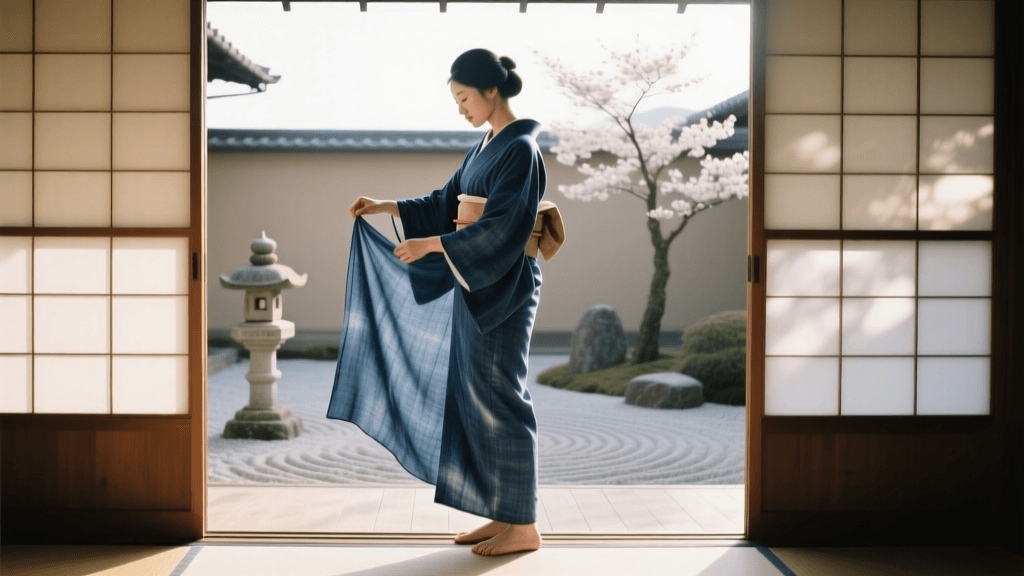
While the formal silk kimono is a masterpiece of sartorial engineering, it is not always practical for extended periods of seated meditation or mindful movement. In 2026, the most sought-after garments for Zen practice prioritize breathability, natural drape, and tactile comfort, while maintaining the structural integrity that promotes good posture. The Samue (traditional monastic work clothing) and the Yukata (informal summer robe) have become the gold standards for modern meditation retreats.
The choice of fabric is paramount. Natural fibers are preferred for their ability to regulate body temperature and connect the wearer to the natural world. Below is a comparison of the primary textiles used for mindful dress and meditation in 2026.
| Fabric Type | Traditional Origin | Sensory Profile | Best Meditation Use | 2026 Market Trend |
|---|---|---|---|---|
| Ojiya-chijimi Hemp | Niigata Prefecture | Cool, slightly textured, crisp | Summer Zazen, walking meditation | High demand for organic, sustainable weaves |
| Kurume Kasuri Cotton | Fukuoka Prefecture | Soft, breathable, matte finish | Daily Samue, indoor mindful work | Resurgence of indigo-dyed artisanal pieces |
| Tsumugi Silk | Various Regions | Nubby, warm, substantial drape | Cold-weather meditation, formal tea ceremony | Valued for wabi-sabi aesthetic and durability |
| Bashofu (Banana Fiber) | Okinawa | Lightweight, airy, slightly stiff | Hot climate mindfulness, outdoor rituals | Rare, highly prized by eco-conscious collectors |
The 2026 Mindful Kitsuke Protocol: A Step-by-Step Guide
Transforming the act of dressing into a meditation requires intentionality. The following protocol integrates breathwork with the physical steps of kitsuke, turning the preparation for the day into a profound spiritual ritual.
1. Centering and the Juban (Undergarment)
Begin in a quiet space. Hold the juban (under-kimono) and take three deep, diaphragmatic breaths. As you slip your arms through the sleeves, focus entirely on the sensation of the fabric gliding over your skin. Align the collar perfectly at the nape of your neck, a physical reminder of maintaining a straight spine and an alert mind.
2. Wrapping the Kimono: Left Over Right
Drape the main garment over your shoulders. In Japanese tradition, the left panel is always wrapped over the right (wrapping right over left is strictly reserved for dressing the deceased). As you pull the left panel across your body, visualize wrapping yourself in compassion and protective awareness. Smooth the fabric down your hips, ensuring the hem falls evenly at your ankles. This symmetry reflects the Zen pursuit of balance and harmony.
3. Tying the Obi with Breathwork
The obi serves as the physical and energetic core of the garment, supporting the lower back and encouraging an upright posture essential for zazen. Wrap the sash around your waist. As you pull it taut, exhale completely, engaging your core. When tying the knot (such as the simple karuta or bunko knot), synchronize your finger movements with a slow, rhythmic breathing pattern—inhaling for a count of four, holding for four, and exhaling for six. The tension of the knot should feel secure but not restrictive, mirroring the Zen ideal of a focused but relaxed mind.
Footwear as Grounding: Tabi, Zori, and Earthing
Mindful dress extends to the feet, which serve as our primary connection to the earth. The traditional tabi sock, with its distinctive split toe, is not merely an aesthetic choice; it is a tool for physical grounding. The separation of the big toe from the other four toes improves balance, enhances proprioception, and stimulates acupressure points that promote energy flow (ki) throughout the body.
When stepping into zori (woven sandals) or setta (leather-soled sandals), the practitioner is encouraged to walk with a sliding, gliding motion known as suriashi. This method of walking, heavily utilized in Zen temples and traditional martial arts, keeps the center of gravity low and the mind anchored to the floor. In 2026, many wellness retreats incorporate 'mindful walking' sessions in tabi and zori across wooden temple corridors or moss gardens, allowing practitioners to experience the subtle textures of the environment while maintaining a meditative state.
Integrating Zen Garments into Modern Lifestyles
You do not need to reside in a Kyoto monastery to benefit from the mindful dress practice. In 2026, urban practitioners and international enthusiasts are adapting these principles to their daily lives. This might involve wearing a modern, simplified Samue while working from home to create a psychological boundary between rest and focused labor, or dedicating twenty minutes every Sunday morning to the full kitsuke ritual as a form of digital detox and mental resetting.
The global Zen community, supported by resources from institutions like the Soto Zen School, continues to emphasize that enlightenment is not found solely in seated stillness, but in the dynamic, mindful engagement with the physical world. The kimono, with its rich history, complex geometry, and deep connection to nature, offers a wearable sanctuary—a fabric temple that travels with you, reminding you to breathe, align, and remain present with every step you take.
Conclusion: The Fabric of Awareness
As we navigate the complexities of the modern era, the ancient wisdom embedded in traditional Japanese clothing offers a profound antidote to the rush of contemporary life. Kitsuke is more than the preservation of a beautiful garment; it is the active cultivation of awareness. By treating the act of dressing as a sacred ritual, we weave mindfulness into the very fabric of our daily existence, proving that true Zen is found not in escaping the world, but in fully inhabiting it.