2026 Guide: Kimono for Birth, Coming-of-Age & Memorials
The Enduring Silk Thread: Kimono in Japanese Life Milestones
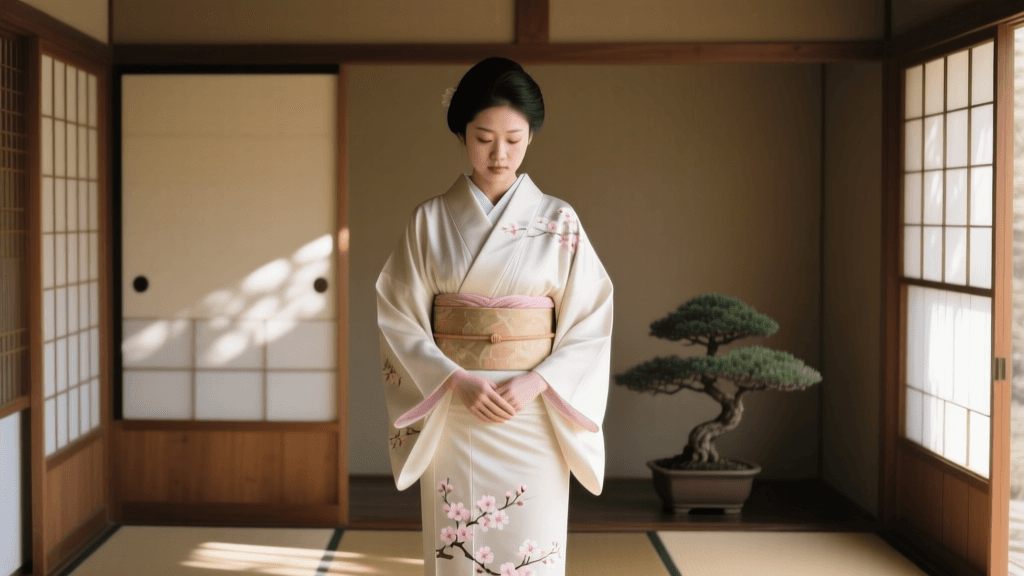
In Japanese culture, the kimono is far more than a traditional garment; it is a wearable archive of family history, social etiquette, and seasonal awareness. As we navigate 2026, the intersection of ancestral customs and modern lifestyles has created a fascinating landscape for ceremonial dress. While everyday wear has largely transitioned to Western clothing, the kimono remains the undisputed sovereign of major life milestones. From the first shrine visit of a newborn to the vibrant celebration of early adulthood, and finally to the solemn observances of memorial services, selecting the appropriate silk, weave, and crest is a profound act of cultural continuity.
According to The Metropolitan Museum of Art's Heilbrunn Timeline of Art History, the kimono's T-shaped structure serves as a canvas for communicating age, marital status, and the formality of an occasion. In 2026, families are increasingly blending sustainable vintage sourcing with modern digital rental platforms, ensuring these traditions thrive in a contemporary context. This comprehensive guide explores the sartorial rules and 2026 trends for three pivotal family ceremonies: Omiyamairi (birth), Seijin-shiki (coming-of-age), and Hoji (memorials).
Omiyamairi: The First Shrine Visit
Omiyamairi is the traditional shrine visit made to introduce a newborn to the local tutelary deity (ujigami) and pray for the child's health. Typically held around the baby's first month of life, this joyous occasion requires specific garments for both the infant and the attending family members.
The Baby's Ubugi and Iwai-gi
The infant is dressed in a white under-robe (shiro-habuse) and wrapped in a celebratory kimono known as an ubugi or iwai-gi. In 2026, there is a marked shift away from strictly gendered colors. While traditional families might still choose bold black or navy with hawk motifs for boys, and pastel florals for girls, modern parents are increasingly opting for gender-neutral auspicious motifs like cranes, pine trees, and treasure ships (takarabune) in rich yellows, greens, and vermilion hues.
The garment is often adorned with the family crest (kamon) on the back and sleeves. A unique tradition involves attaching a himo (cord) with good-luck charms, such as a small fan or a protective dog figurine, to the kimono's ties.
Attire for the Mother and Grandmother
The women carrying and accompanying the baby typically wear semi-formal kimono. The grandmother often takes the lead role in holding the baby and will wear a tsukesage or a subdued homongi (visiting kimono) featuring elegant, flowing patterns. The mother, who is still in her postpartum recovery phase, may opt for a comfortable yet formal edokomon or a high-quality silk komon paired with a festive fukuro obi. In 2026, lightweight silk blends and breathable undergarments are highly recommended for summer Omiyamairi, adapting to Japan's increasingly warm spring and early summer climates.
Seijin-shiki: The Coming-of-Age Ceremony
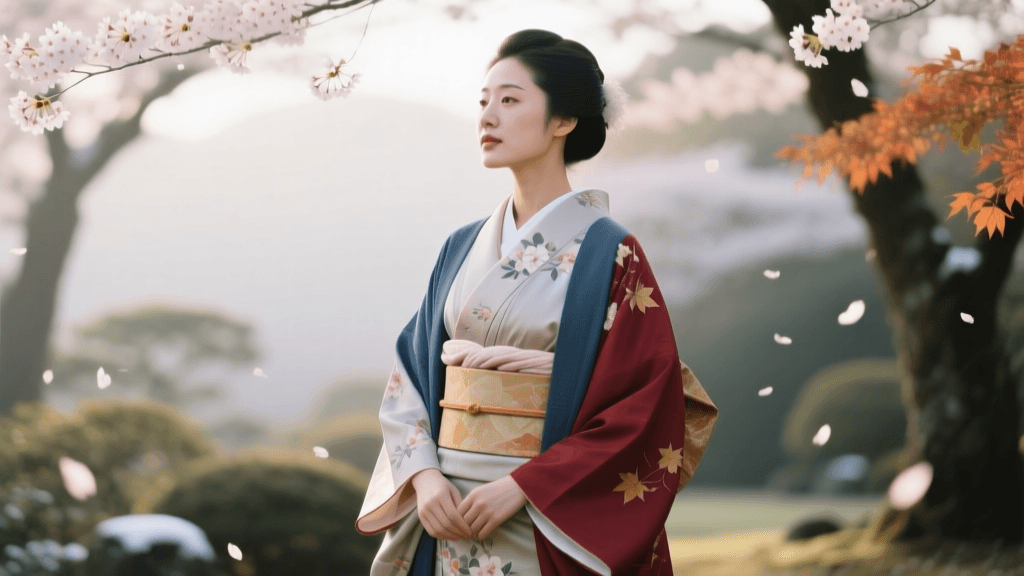
Held annually on the second Monday of January, Seijin-shiki celebrates young adults who have reached the age of majority. As detailed in historical and contemporary records of Seijin-shiki, the ceremony is a visual spectacle dominated by the furisode, the most formal kimono worn by unmarried women.
The Furisode Phenomenon in 2026
The defining feature of the furisode is its long, swinging sleeves, which historically symbolized youth and the warding off of evil spirits. Sleeves can range from the standard chufurisode (medium length, approx. 90cm) to the dramatic ofurisode (extra long, over 110cm), which is highly popular for 2026 photo shoots due to its striking visual impact.
This year's trends showcase a renaissance of 'retro-modern' aesthetics. Young women are pairing vintage Taisho-era (1912-1926) geometric patterns with contemporary, oversized velvet obi belts and modern lace obijime (decorative cords). Furthermore, since Japan's civil code lowered the age of adulthood to 18 in 2022, many municipalities in 2026 still host the ceremonial gatherings for 20-year-olds to align with university schedules and the legal ages for drinking and smoking, keeping the traditional furisode market robust.
Men's Hakama and Montsuki
While many young men wear Western suits, those embracing tradition don a montsuki hakama. This ensemble consists of a solid black kimono bearing five family crests, paired with a stiff, pleated hakama skirt in charcoal or navy. In 2026, rental shops in Tokyo and Kyoto offer premium silk hakama with subtle woven patterns, allowing young men to express individuality while adhering to formal etiquette.
2026 Furisode Sourcing: Rental vs. Purchase vs. Vintage
| Sourcing Method | Estimated Cost (JPY) | Pros for 2026 | Cons |
|---|---|---|---|
| Full-Service Rental | ¥50,000 - ¥150,000 | Includes dressing, hair styling, and photography; no storage hassle. | Limited time in the garment; high demand requires booking 6 months ahead. |
| New Purchase (Bespoke) | ¥400,000 - ¥1,000,000+ | Heirloom quality; perfect fit; supports traditional Yuzen dyers. | Extremely expensive; requires professional maintenance and climate-controlled storage. |
| Vintage / Antique Market | ¥30,000 - ¥80,000 | Unique, sustainable, and eco-friendly; distinct retro aesthetics. | Sizing can be tricky; requires finding a skilled kitsuke (dresser) familiar with older cuts. |
Hoji and Tomurai: Memorial and Funeral Services
The final milestones in the Japanese life cycle are marked by profound respect, somber aesthetics, and strict sartorial codes. Mourning attire, known as mofuku, is governed by unwavering rules designed to express grief and humility.
The Strict Rules of Mofuku
For the funeral (tomurai) and the immediate 49-day mourning period, close female relatives wear solid black, five-crested silk kimono. The fabric must be matte, typically woven from high-quality crepe silk (chirimen) to avoid any reflective shine. The obi is also black, woven with subtle, non-reflective patterns, and tied in a simple, unadorned knot. All accessories—from the tabi socks to the obijime cord and the zori sandals—must be strictly black. In 2026, while the core rules remain unchanged, there is a growing market for high-quality, breathable matte black fabrics to accommodate funerals held during Japan's sweltering, humid summers.
Transitioning to Iro-Muji for Hoji (Memorial Services)
As the family transitions through the subsequent memorial services (Hoji)—such as the 1st, 3rd, 7th, and 13th anniversaries of the passing—the strict black of mofuku is gradually replaced by subdued colors. Women transition to iro-muji (single-colored kimono without patterns) in shades of charcoal, deep navy, plum, or muted grey-green. These garments bear one to three family crests, depending on the closeness of the relation and the specific anniversary being observed.
Men similarly transition from solid black montsuki to dark, unpatterned silk kimono with grey or silver hakama. The guiding principle for all memorial attire is 'jimi' (subdued and unobtrusive), ensuring the focus remains entirely on the remembrance of the deceased rather than the attire of the living.
Navigating the 2026 Kimono Calendar and Climate
One of the most significant challenges for ceremonial kimono wearers in 2026 is adapting the traditional 'koromogae' (seasonal wardrobe transition) to a changing climate. Historically, the switch from lined kimono (awase) to unlined summer silk (hitoe) occurred on June 1st, with the transition to sheer gauze weaves (ro and sha) on July 1st.
Today, with Japan's rainy season (tsuyu) shifting and temperatures frequently exceeding 30°C (86°F) by mid-May, strict adherence to these dates can lead to heat exhaustion during outdoor shrine visits or cemetery cleanings. Modern etiquette in 2026 heavily favors comfort and health. It is now widely accepted to wear hitoe or ro kimono earlier in the year if the temperature demands it, provided the motifs on the fabric remain seasonally appropriate. For instance, wearing a sheer ro kimono featuring autumn grasses in late May is considered a sophisticated nod to impending seasonal changes while prioritizing physical well-being.
Conclusion: A Living Tradition
Whether wrapping a newborn in an auspicious ubugi, celebrating youth in a sweeping furisode, or paying respects in somber mofuku, the kimono remains the ultimate expression of Japanese familial duty and love. By understanding the nuanced rules of formality, crest placement, and seasonal awareness, participants in these 2026 ceremonies do more than wear beautiful textiles—they weave themselves into an unbroken tapestry of cultural heritage that honors the past while gracefully embracing the future.