Kimono Storage Preservation: Archival Care Guide 2026
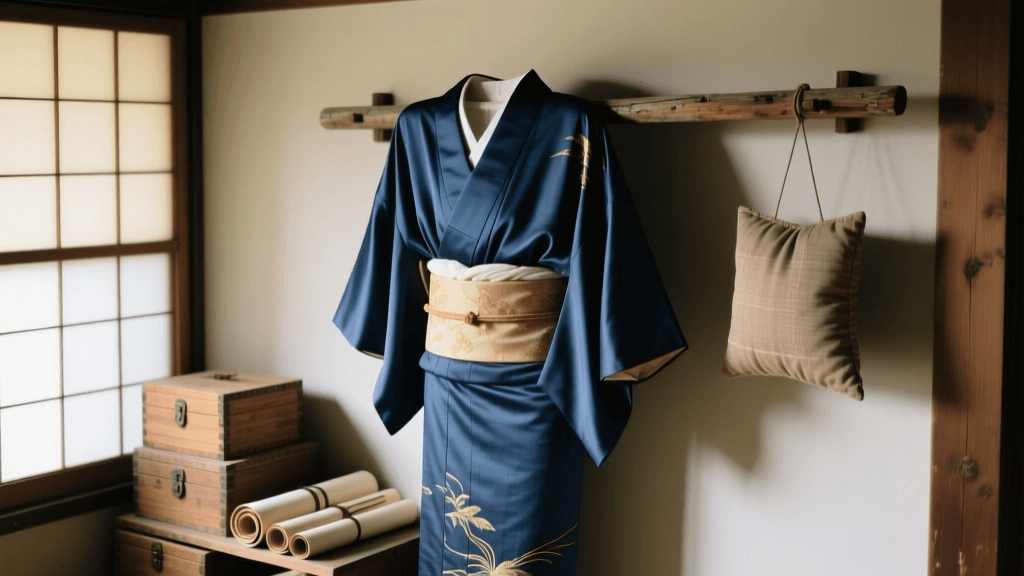
The Art and Science of Kimono Storage Preservation in 2026
Preserving a collection of vintage and antique Japanese kimono requires a delicate balance between honoring traditional methods and leveraging modern archival science. As we navigate 2026, the landscape of textile conservation has evolved significantly, offering collectors, curators, and enthusiasts unprecedented tools to protect these delicate garments. Silk, the primary fiber used in high-quality kimono, is a protein-based material that is highly susceptible to environmental degradation, pest infestation, and chemical breakdown. Whether you are safeguarding a single heirloom Meiji-era uchikake or managing a sprawling collection of Taisho and early Showa pieces, implementing a rigorous storage preservation strategy is non-negotiable.
The fundamental goal of kimono collection management is to slow the inevitable aging process. This involves controlling the micro-environment, utilizing chemically inert storage materials, and adopting meticulous handling protocols. In this comprehensive guide, we explore the 2026 standards for kimono archival care, blending time-honored Japanese practices with cutting-edge conservation technology.
Understanding Silk Degradation and Environmental Threats
Before diving into storage solutions, it is crucial to understand what threatens a silk kimono. Silk fibroin is sensitive to three primary environmental factors: light, humidity, and temperature fluctuations. Prolonged exposure to ultraviolet (UV) and even visible light causes photo-oxidation, leading to irreversible fading and the shattering of silk fibers. High humidity promotes mold growth and accelerates hydrolysis, while excessively dry conditions make the fibers brittle and prone to snapping when folded.
According to the American Institute for Conservation's Textile Wiki, maintaining a stable environment is the single most effective preventative conservation measure for protein fibers. In 2026, the accepted standard for long-term silk storage is a temperature of 65°F (18°C) with a Relative Humidity (RH) of 50%, allowing for a strict fluctuation margin of no more than ±5%.
The 2026 Standard for Climate Control and Monitoring
Gone are the days when collectors relied solely on whole-room HVAC systems, which often struggle to maintain precise humidity levels in residential settings. Today, micro-climate enclosures and smart sensor technology dominate the field of collection management.
Smart Bluetooth Low Energy (BLE) Data Loggers
Modern archival storage relies on continuous, real-time data tracking. In 2026, ultra-low energy BLE data loggers are placed inside storage boxes and tansu (traditional chests). These devices consume virtually no battery power and emit negligible heat, ensuring they do not alter the micro-environment they are measuring. They sync seamlessly with smartphone applications, alerting collectors immediately if the RH drops below 45% or spikes above 55%.
Micro-Climate Enclosures
For highly valuable or fragile pieces, collectors are increasingly utilizing sealed micro-climate enclosures. These archival boxes are fitted with passive silica gel cassettes (such as Art-Sorb or Pro-Sorb) preconditioned to exactly 50% RH. The Victoria and Albert Museum's Guide to Caring for Textiles highly recommends the use of buffered silica cassettes for sealed storage environments, as they both absorb excess moisture and release it when the air becomes too dry, acting as a highly effective passive climate buffer.
Traditional vs. Modern Archival Storage Materials
The physical materials that come into direct contact with a kimono are just as critical as the ambient climate. Historically, kimono were wrapped in tatou-shi (traditional Japanese paper) and stored in kiri (paulownia wood) chests. While these methods have merit, modern conservation science offers alternatives that mitigate the risks of acidity and off-gassing.
| Material | Acidity / pH | Breathability | Best Use Case | 2026 Estimated Cost |
|---|---|---|---|---|
| Tatou-shi (Traditional Paper) | Neutral to Slightly Acidic | High | Inner wrapping, short-term storage, active rotation | $15 - $25 per sheet |
| Unbuffered Acid-Free Tissue | Neutral (pH 7.0) | High | Inner folding, stuffing sleeves, interleaving | $18 per pack of 50 sheets |
| Archival Polyethylene Boxes | Chemically Inert | Low (Sealed) | Long-term stacking, pest barrier, micro-climates | $45 - $90 per box |
| Paulownia Wood (Kiri) Tansu | Slightly Acidic (tannins) | Moderate | Display, active rotation, traditional aesthetics | $800 - $3,000+ |
Note on Unbuffered vs. Buffered Tissue: When storing silk kimono, always use unbuffered acid-free tissue. Buffered tissue contains an alkaline reserve (usually calcium carbonate) designed to neutralize acids in plant-based fibers like cotton and linen. However, this alkalinity can damage protein fibers like silk and wool over time, causing them to yellow and degrade.
The Hon-Datami Folding Method
How a kimono is folded dictates where stress points and creases will form. The traditional Japanese folding method, known as hon-datami (or hondatami), is specifically designed to align the seams and fold the garment in a way that protects the most delicate areas, such as the embroidered or hand-painted motifs on the back and hem.
Step-by-Step Archival Folding
- Preparation: Lay the kimono face down on a clean, acid-free surface. Ensure your hands are clean and dry; in 2026, many conservators prefer wearing powder-free nitrile gloves to prevent the transfer of natural skin oils to the silk, though clean bare hands are acceptable if grip is a safety concern.
- The Back Panel: Fold the right back panel along the center back seam (se-nu) so it lies flat. Then, fold the left back panel over it.
- The Sleeves: Fold the sleeves inward along their natural seam lines. Do not fold across heavily embroidered crests (mon); instead, pad the crests with small rolls of unbuffered acid-free tissue to prevent the metallic threads from cutting into the silk.
- The Collar and Hem: Fold the collar inward, and then fold the entire garment in thirds horizontally. Never fold a kimono in half, as this creates a harsh, permanent crease across the center of the design.
- Padding the Folds: This is the most critical archival step. Insert rolled "snakes" of acid-free tissue paper into every fold line. This creates a soft, rounded curve rather than a sharp crease, preventing the silk fibers from breaking along the fold line over decades of storage.
Pest Management: Moving Beyond Chemical Mothballs
Historically, kimono collections were protected using camphor, naphthalene, or paradichlorobenzene (PDB) mothballs. In 2026, the use of these volatile organic compounds (VOCs) is strongly discouraged by institutions like the Metropolitan Museum of Art Textile Conservation Department. These chemicals off-gas, leaving toxic residues that can melt synthetic threads, degrade metallic dyes, and pose severe health risks to humans.
Modern Integrated Pest Management (IPM)
Modern collection management relies on prevention and monitoring rather than chemical eradication.
- Quarantine and Anoxia: Any newly acquired vintage kimono must be quarantined before entering the main collection. The 2026 standard for treating potential infestations is anoxia (oxygen deprivation). The garment is sealed in an archival barrier film with an oxygen scavenger, reducing the oxygen level to below 0.1% for 21 days, effectively eliminating all life stages of the webbing clothes moth (Tineola bisselliella) and carpet beetles without chemical residues.
- Pheromone Monitoring: Place sticky traps baited with female webbing clothes moth pheromones in the storage room. These traps do not eliminate an infestation but serve as an early warning system, allowing you to identify and isolate affected boxes before widespread damage occurs.
- Physical Barriers: Storing folded, wrapped kimono inside sealed, inert polyethylene or polypropylene archival boxes provides an impenetrable physical barrier against pests.
Digital Collection Management and RFID Tracking
One of the greatest risks to a stored kimono is the act of opening the box to check on it. Every time a storage container is opened, the micro-climate is disrupted, and the garment is exposed to light and potential handling damage. To mitigate this, professional collectors and small museums have adopted digital collection management systems utilizing Radio Frequency Identification (RFID).
By attaching a passive, UHF RFID tag to the exterior of the archival storage box (never directly to the silk), collectors can perform instant inventory audits using a handheld scanner. The scanner reads the box's unique ID, which is linked to a cloud-based database containing high-resolution photographs, condition reports, provenance data, and the exact date the garment was last inspected. This allows collection managers to verify the location and status of hundreds of kimono in minutes, without ever breaking the seal on the storage environment.
Conclusion: A Commitment to the Future
Kimono storage preservation is not merely about putting a garment in a box; it is an active, ongoing commitment to cultural heritage. By adhering to the 2026 standards of strict climate control, utilizing chemically inert and unbuffered archival materials, executing the precise hon-datami fold with tissue padding, and embracing non-toxic pest management, collectors can ensure that these masterpieces of Asian textile art survive for generations to come. The intersection of traditional Japanese wisdom and modern archival science provides us with the ultimate toolkit to protect the delicate threads of history.