Mastering Kimono Layering: Seasonal Dressing Techniques
Introduction to Kitsuke and the Art of Seasonal Awareness
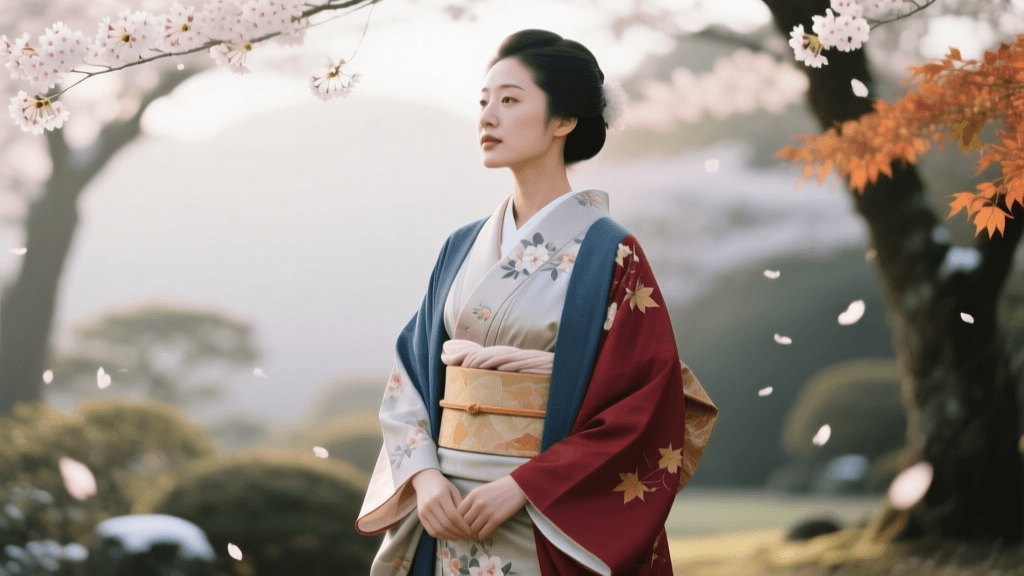
In the intricate world of traditional Japanese clothing, the act of dressing—known as kitsuke—is far more than merely putting on a garment. It is a disciplined art form deeply intertwined with kisetsukan, the profound cultural awareness of the changing seasons. Unlike Western fashion, where seasonal transitions are often dictated by arbitrary retail cycles, kimono dressing follows a strict, historically codified calendar. According to the Metropolitan Museum of Art's Heilbrunn Timeline of Art History, the evolution of the kimono from the kosode of the Edo period into a highly structured system of seasonal wear reflects Japan's deep reverence for nature and the ephemeral beauty of the passing months.
Mastering seasonal layering requires an understanding of textile weights, undergarment selection, and specific dressing techniques designed to regulate body temperature while maintaining the flawless, cylindrical silhouette characteristic of the kimono. Whether you are preparing for the humid depths of a Kyoto August or the crisp, biting winds of a Hokkaido winter, this guide provides actionable, precise techniques for seasonal kimono dressing.
The Three Main Kimono Seasons
The traditional kimono calendar is divided into three primary dressing seasons, dictated not just by temperature, but by humidity and cultural aesthetics. The Victoria and Albert Museum notes that the structural integrity and lining of the kimono change fundamentally across these periods to balance aesthetic formality with physical comfort.
| Season Type | Japanese Term | Typical Months | Primary Fabric | Undergarment (Juban) |
|---|---|---|---|---|
| Lined (Winter/Spring) | Awase (袷) | October 1 – May 31 | Silk Chirimen (crepe), Wool | Lined Silk or Cotton Nagajuban |
| Unlined (Transitional) | Hitoe (単衣) | June 1 – June 30 / Sept 1 – Sept 30 | Unlined Silk, Linen blends | Unlined Cotton or Silk Juban |
| Sheer (Summer) | Usumono (薄物) | July 1 – August 31 | Ro (leno weave), Sha (gauze) | Sheer Ro or Sha Juban |
Awase: The Lined Season
Spanning the majority of the year, the awase kimono features an inner lining (usually of smooth habutai silk) that provides warmth and adds weight, allowing the garment to drape elegantly. During this period, layering is highly visible at the collar (eri) and the hem (fukisesaki).
Hitoe: The Unlined Transition
June and September are transitional months. The hitoe kimono lacks the inner lining, making it lighter and more breathable. It is considered a faux pas to wear sheer summer fabrics in June, as the rainy season (tsuyu) brings a chill that requires the slightly heavier, opaque drape of the hitoe.
Usumono: The Sheer Summer
July and August demand usumono, woven from ro (a leno weave with distinct horizontal lines) or sha (a sheer gauze). These fabrics allow air to pass directly through the garment, but they require meticulous undergarment selection, as the juban and ties will be visible through the sheer outer layers.
The Foundation: Juban and Hadajuban Selection
The secret to temperature regulation in kimono dressing lies beneath the outer layer. The undergarments, collectively known as shitagi, act as a micro-climate system.
- Hadajuban (Skin Garment): Worn directly against the skin. In winter, a soft, thermal cotton or silk-blend hadajuban with long sleeves is essential. In summer, opt for a sleeveless koshimaki (a wrap skirt) paired with a lightweight, moisture-wicking hemp or ro-weave camisole.
- Nagajuban (Long Under-Kimono): This is the garment that provides the visible collar beneath the main kimono. For the awase season, a lined silk nagajuban provides insulation. For usumono, you must wear a sheer ro nagajuban. Actionable Tip: If you are on a budget, purchase a high-quality synthetic ro nagajuban (approx. $40-$60 USD). Modern washable polyesters engineered for summer kitsuke wick sweat far better than vintage silk, which can stain permanently from perspiration.
- Eri (Collar) and Eri-shin (Collar Stiffener): The collar must remain crisp. In summer, use a breathable mesh eri-shin to prevent sweat buildup at the nape of the neck, a critical area for cooling the body.
Winter Dressing: Insulation and Layering Techniques
Dressing for winter in a kimono requires strategic layering that does not disrupt the smooth, tubular silhouette. Bulkiness at the waist will ruin the drape of the obi.
Strategic Under-Layering
Instead of wearing thick modern clothing underneath, traditional kitsuke relies on targeted insulation. Wear a haramaki (a traditional belly warmer) made of merino wool or silk beneath your koshimaki. This protects the core organs from the cold without adding volume to the hips. Additionally, eri-maki (collar wraps) made of fox fur, mink, or modern faux-fur can be draped over the collar of the outer kimono or haori when outdoors, providing crucial wind protection for the neck.
The Haori and Hanten
When stepping outside, the haori (a hip-length jacket) is mandatory in formal winter settings. For casual wear or extreme cold, a hanten (a padded, short coat) or a dotera (a heavily padded, full-length robe) is worn indoors. Ensure your winter haori is lined with silk or a warm flannel blend.
Summer Dressing: Airflow and Sheer Fabrics
Surviving the Japanese summer in traditional dress requires manipulating the garment to create a chimney effect, drawing cool air in from the bottom and allowing heat to escape from the neck.
Kitsuke Adjustments for Airflow
When tying your koshihimo (the thin tying straps, typically 130cm long), tie them slightly looser than you would in winter. The goal is to create a small pocket of air between the hadajuban and the outer kimono. Furthermore, the kohaku (the space left open at the nape of the neck) should be slightly widened in summer—about two to three finger-widths instead of the standard one or two—to allow heat to vent from the spine.
Obi-ita and Sweat Management
The obi-ita (the stiff board inserted into the obi to keep it flat) can trap immense heat against the stomach. In July and August, swap the standard solid plastic or cardboard obi-ita for a mesh obi-ita or a bamboo-slatted version. These cost around $15-$25 USD and drastically reduce sweat accumulation at the front of the torso.
Sizing, Timing, and Cost Guide
Proper fit is essential for seasonal comfort. A kimono that is too tight restricts airflow in summer, while one that is too loose will let in drafts in winter.
- Yuki (Sleeve Length): Measured from the center back of the neck, over the shoulder, to the wrist bone. Standard modern women's yuki is roughly 63cm to 65cm. For winter, the sleeve should cover the wrist bone completely; for summer, it may sit 1-2cm above the wrist to allow heat to escape from the pulse points.
- Mitake (Back Length): The ideal length is your height minus roughly 10cm, allowing the hem to graze the ankle bone. In winter, wearing the hem slightly longer (touching the top of the foot) prevents cold air from rushing up the legs.
- Dressing Time: A beginner should allocate 45 to 60 minutes for full seasonal kitsuke, including undergarments and obi tying. An experienced practitioner can complete the process in 15 to 20 minutes.
- Cost Estimates (USD): A complete, modern washable summer kit (ro kimono, ro juban, mesh obi-ita, and summer obi) can be assembled for $250–$400. A formal winter silk awase kit, including a lined haori and wool under-layers, typically ranges from $600 to over $1,500 for new, artisan-crafted silk.
The Philosophy of Anticipating the Season
Beyond the physical mechanics of fabric and layering, seasonal kitsuke is governed by an aesthetic philosophy of anticipation. In traditional Japanese arts, it is considered highly refined to dress slightly ahead of the actual season. As noted in exhibitions exploring Kimono Style at the Met, the motifs and layers worn often herald the approach of a season rather than merely reflecting the current weather.
'To wear autumn motifs in the waning days of summer, or to layer the sheer fabrics of early spring while the frost still lingers, is to demonstrate a mastery not just of cloth, but of time itself. The kimono does not merely react to nature; it converses with it.'
By understanding the structural differences between awase, hitoe, and usumono, and by mastering the subtle adjustments in kitsuke that promote warmth or airflow, you elevate the act of dressing from a mere routine to a profound engagement with Asian textile traditions. Whether you are investing in your first vintage hitoe or tailoring a bespoke ro ensemble for a summer festival, respecting these seasonal boundaries ensures both physical comfort and deep cultural resonance.