Neo-Hanfu Streetwear: Blending Tradition With Modern Fashion
The Rise of Neo-Hanfu in Urban Streetwear
Over the past decade, the Hanfu movement has transformed from a niche historical reenactment hobby into a multi-billion-dollar cultural phenomenon. While purists often focus on Fugu (strict historical reconstruction based on archaeological textiles), a vibrant subculture has emerged at the intersection of ancient Chinese sartorial codes and contemporary urban aesthetics. This is the realm of Neo-Hanfu, or Xinhanfu, where traditional silhouettes are reimagined for the fast-paced, modern streetwear environment. According to BBC News, the Hanfu market has exploded in popularity among Gen Z consumers, driven by a desire to express cultural identity through innovative, daily-wearable fashion rather than reserving these garments solely for festivals or photoshoots.
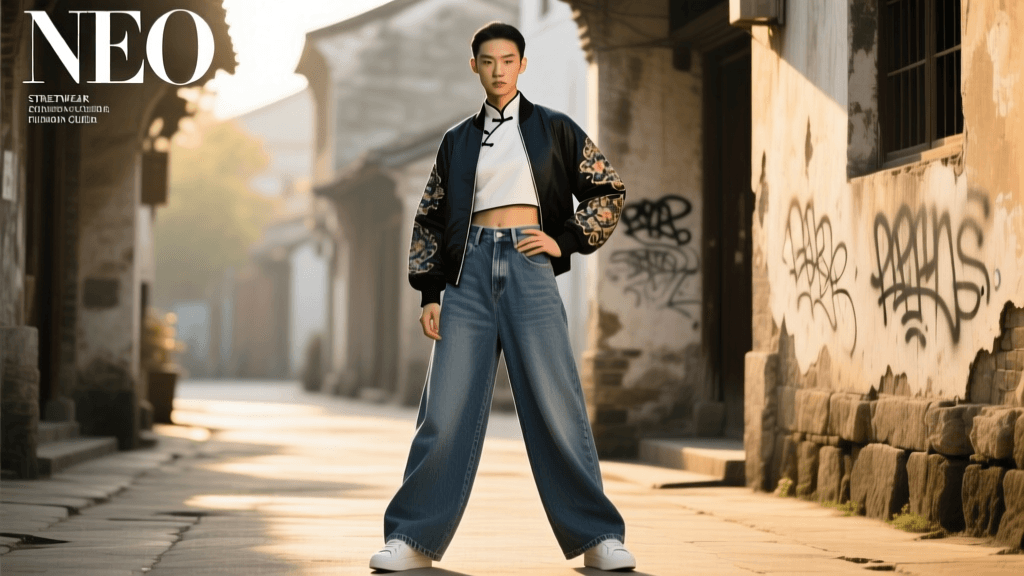
Neo-Hanfu streetwear fusion is not about discarding tradition; it is about translating the core philosophy of Chinese garment construction—such as flat-patterning, cross-collars, and overlapping panels—into a vocabulary that speaks to modern techwear, skate culture, and high-street fashion. This guide provides actionable advice, specific measurements, and styling frameworks to help you seamlessly integrate traditional Chinese garments into a modern urban wardrobe.
Essential Neo-Hanfu Pieces for Fusion Styling
The Modified Mamian Qun (Horse-Face Skirt)
The Mamian Qun is arguably the most versatile and recognizable garment in the Neo-Hanfu arsenal. Characterized by two overlapping flat panels at the front and back, flanked by deep, structured pleats on the sides, the skirt offers a dramatic, architectural silhouette. In traditional contexts, it is worn at the natural waist with a long, flowing Ao (jacket). In streetwear fusion, the Mamian Qun is often lowered to sit on the hips, paired with cropped graphic tees, oversized leather moto jackets, or tactical techwear harnesses. The contrast between the rigid, historical pleats and the relaxed, rebellious nature of streetwear tops creates a striking visual tension.
The Ao (Jacket) and Banbi (Half-Sleeve Vest)
The Ao features the iconic Jiaoling Youren (cross-collar, wrapping right over left). For urban environments, the traditional wide sleeves are highly impractical. Neo-Hanfu designers solve this by introducing narrowed cuffs, snap-button fastenings hidden beneath traditional fabric ties, and cropped hemlines. The Banbi, a half-sleeve vest traditionally worn for layering and warmth, has been adopted by fusion designers as an open-front outerwear piece. Worn over a heavyweight hoodie or a turtleneck sweater, the Banbi adds an instant layer of historical depth to a standard winter streetwear fit without adding bulk to the arms.
The Fusion Matrix: Traditional vs. Streetwear Pairings
To successfully blend eras, one must understand how to manipulate proportions and materials. Below is a structured comparison chart detailing how to adapt core Hanfu garments for a modern streetwear aesthetic, including estimated costs and vital styling notes.
| Garment | Traditional Styling | Neo-Hanfu Streetwear Fusion | Est. Cost (USD) | Key Measurements & Notes |
|---|---|---|---|---|
| Mamian Qun | Paired with long Ao, worn at natural waist, silk/brocade | Paired with crop tops, combat boots, worn lower on hips, denim/canvas | $45 - $120 | Waist: +2cm ease; Length: Ankle-grazing (90-100cm) to avoid dragging on urban streets. |
| Banbi (Vest) | Layered tightly over long-sleeve Ao for indoor warmth | Worn open over graphic tees, hoodies, or tactical vests | $30 - $85 | Shoulder: Drop-shoulder fit; Chest: +15cm ease for thick layering. |
| Ao (Jacket) | Full-length, wide sleeves, delicate closures | Cropped bomber-style, narrowed sleeves, hidden zippers | $50 - $110 | Cuff width: 12-15cm; Hem: Sits at the belt line. |
| Yuanling Pao | Full-length round-collar robe, belted, formal wear | Shortened to duster length, worn open over streetwear | $80 - $200 | Sleeve: Narrowed to 18cm; Length: Mid-thigh for mobility. |
Fabric Selection for Urban Environments
Traditional Hanfu relies heavily on silk, chiffon, and heavy brocades—fabrics that require meticulous care and are ill-suited for the rigors of public transit, rain, and concrete. Neo-Hanfu fusion demands durable, low-maintenance textiles.
- Denim and Canvas: A denim Mamian Qun is a staple of modern fusion. The stiffness of raw denim holds the pleats exceptionally well, mimicking the structural integrity of historical stiffened silks while offering the rugged durability of workwear.
- Technical Nylons and Gore-Tex: Techwear brands experimenting with Hanfu silhouettes often utilize water-resistant nylons for Banbi vests and Ao jackets. This creates a cyberpunk-adjacent aesthetic that honors the geometric cuts of the Ming Dynasty while utilizing 21st-century material science.
- Cotton-Linen Blends: For warmer months, washed cotton-linen provides the drape and breathability needed for daily wear, offering a relaxed, utilitarian vibe that pairs perfectly with chunky sneakers and cargo pants.
Practical Advice: Sourcing, Timing, and Tailoring
Navigating the market for authentic, high-quality Neo-Hanfu requires an understanding of the Chinese indie fashion ecosystem. Most specialized brands operate via platforms like Taobao and Weidian, utilizing a pre-sale model to minimize waste.
Navigating the 'Yushou' (Pre-Sale) System
Unlike fast fashion, premium Neo-Hanfu brands frequently use the Yushou system. You place a deposit, and the brand manufactures the garment based on demand. Timing is critical: expect a production window of 30 to 45 days, followed by 10 to 15 days for international shipping if you are using a forwarding agent like Superbuy or CSSBuy. If you need a garment immediately for an event, filter your searches for Xianhuo (in-stock items), though the selection of modified streetwear pieces will be more limited.
Crucial Tailoring Measurements
Hanfu is constructed using flat-patterning, meaning the garment is cut from flat planes of fabric rather than tailored to the three-dimensional curves of the body. This requires specific measurement adjustments for modern styling:
- The Cross-Collar Gap: The Jiaoling Youren collar must cross deeply enough to avoid gaping open during movement. When ordering a modified Ao, ensure the chest measurement includes at least 10-15cm of ease beyond your actual body measurements to allow the fabric to wrap securely.
- Sleeve Narrowing: Traditional Ming Dynasty sleeves can exceed 30cm in width at the wrist, which is a hazard on escalators and around machinery. Always request a Zhaixiu (narrow sleeve) modification, specifying a cuff width of 12cm to 15cm for a streetwear-compatible fit.
- Skirt Length: A traditional Mamian Qun often grazes the floor. For urban streetwear, measure from your navel (or wherever you intend to wear the waistband) down to 2cm above the ground while wearing your intended footwear. A length of 90-95cm is typically ideal for pairing with chunky boots or platform sneakers.
Footwear and Accessories: Completing the Look
The anchor of any Neo-Hanfu streetwear outfit is footwear. Delicate traditional embroidered shoes clash with the utilitarian ethos of streetwear. Instead, opt for chunky, oversized silhouettes. Brands like Balenciaga, Dr. Martens, or specialized techwear boot makers provide the necessary visual weight to balance the wide, architectural pleats of the Mamian Qun.
Accessories should bridge the gap between antiquity and modernity. Consider integrating silver jewelry inspired by China's Miao ethnic groups, which features intricate, heavy metalwork that complements the dark, muted tones of urban streetwear. Alternatively, modern tactical chest rigs and nylon belts can be worn over traditional Ao jackets, creating a striking juxtaposition of ancient tailoring and futuristic utility.
Cultural Appreciation and the Living Tradition
As Neo-Hanfu gains global traction, it is essential to approach the style with cultural respect and historical awareness. The tension between historical purists and modern fusion designers is a well-documented aspect of the movement. As noted by cultural commentators at Sixth Tone, the Hanfu boom is actively rewriting China's fashion rules, shifting the narrative from viewing traditional clothing as a static museum artifact to embracing it as a living, evolving tradition.
'Fashion is inherently a dialogue between the past and the present. Neo-Hanfu does not erase history; it translates it, allowing a new generation to wear their heritage on the streets of Shanghai, New York, and London.' — Contemporary Asian Fashion Commentary
By understanding the structural rules of traditional Chinese garments—such as the right-over-left collar rule, which holds deep historical and philosophical significance regarding life and death in Han culture—you ensure that your fusion styling remains respectful. Breaking these specific cultural codes for the sake of edgy streetwear crosses the line from appreciation to appropriation. However, by mastering the silhouettes, adapting the fabrics, and thoughtfully integrating these pieces into your daily rotation, you participate in a global sartorial renaissance that honors the craftsmanship of the past while boldly designing the future.