Zen Mindful Dressing: Best Samue & Kimono for Zazen 2026
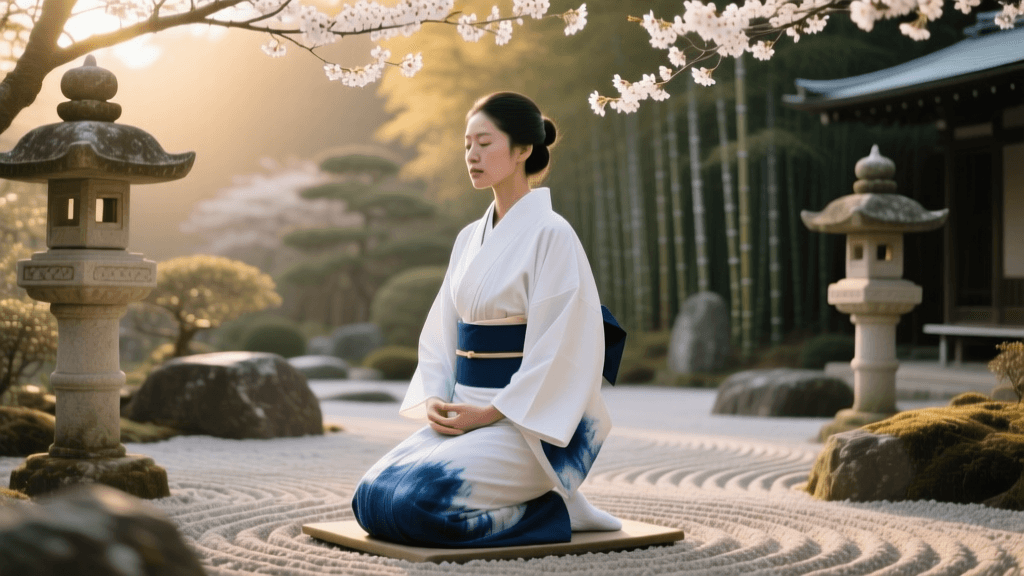
The intersection of Zen spirituality and traditional Japanese garments offers a profound pathway to mindfulness. In 2026, the practice of Zazen (seated meditation) continues to evolve, yet its foundational reliance on physical discipline and sensory grounding remains unchanged. For practitioners and enthusiasts alike, the act of dressing is not merely a preparatory chore; it is the first stage of meditation itself. This concept, often referred to as mindful kitsuke, transforms the donning of traditional garments like the samue and kimono into a moving meditation. By understanding the historical context, selecting the appropriate 2026 textiles, and following a deliberate dressing ritual, you can deepen your spiritual practice and honor Asian traditions.
The Philosophy of Mindful Dressing in Zen Buddhism
In Zen Buddhism, every action is an opportunity for awakening. The transition from secular life to the meditation hall (zendo) requires a psychological and physical shift. Traditional Japanese garments facilitate this shift through their structured yet flowing silences. According to the San Francisco Zen Center's Zazen instructions, proper posture and physical grounding are essential for a stable mind. The garments you wear must support this posture without restricting the diaphragm or creating distracting sensory friction.
Mindful dressing, or kitsuke, demands absolute presence. When you fold, wrap, and tie your garments, you are forced to slow down. The tactile sensation of the fabric, the precise alignment of the seams, and the rhythmic breathing required to tie the cords all serve to anchor the mind in the present moment. In 2026, as digital distractions reach unprecedented levels, this analog, tactile ritual of dressing has become a vital sanctuary for modern practitioners seeking authentic Zen experiences.
Why Samue and Juban Outshine Formal Kimono for Zazen
While the formal kimono is a masterpiece of Japanese textile art, as documented by the Victoria and Albert Museum's Kimono collection, it is often too restrictive for the deep, diaphragmatic breathing required in Zazen. The formal obi (sash) can compress the abdomen, hindering the natural expansion of the belly during meditation. Therefore, the samue (monk's work clothes) paired with a juban (undergarment) has emerged as the gold standard for Zen practitioners in 2026.
The samue was originally designed for Buddhist monks performing physical labor (samu) around the temple grounds. Its design prioritizes freedom of movement, breathability, and simplicity. The top (uwagi) and trousers (zubon) are secured with simple himo (cords) rather than rigid sashes, allowing for micro-adjustments during long meditation sits. Beneath the samue, a lightweight cotton or hemp juban absorbs perspiration and provides a soft barrier against the skin, ensuring that the mind remains undistracted by physical discomfort.
2026 Fabric Guide: Choosing Materials for Breathability and Flow
The textile landscape in 2026 has seen a massive resurgence in sustainable, heritage weaving techniques. When selecting a samue or meditation kimono, the fabric dictates the sensory experience. You want materials that offer a gentle weight to provide proprioceptive feedback (grounding the body) while remaining highly breathable.
| Fabric Type | Breathability | Drape & Weight | 2026 Avg Cost (USD) | Best Season |
|---|---|---|---|---|
| Ojiya-chijimi (Linen) | Exceptional | Crisp, lightweight, textured | $280 - $350 | Summer / Humid |
| Tsumugi (Pongee Silk) | Moderate | Soft, medium weight, matte | $400 - $600 | Spring / Autumn |
| Organic Tochigi Hemp | High | Structured, heavy drape | $220 - $300 | All-Season |
| Sashiko-weave Cotton | Good | Durable, medium-heavy | $150 - $200 | Winter / Cool |
In 2026, Organic Tochigi Hemp has become particularly favored among Zen communities. The regenerative agricultural practices used to grow this hemp yield a fiber that softens beautifully over time, molding to the practitioner's body while maintaining the structural integrity needed to remind the spine to stay upright.
The Ritual of Kitsuke: A Step-by-Step Mindful Dressing Practice
To transform dressing into a meditation, you must approach each movement with deliberate intent. Allocate exactly 15 minutes for this ritual before your Zazen session.
Step 1: Grounding and the Juban
Stand barefoot on a natural surface (tatami or wood). Hold the juban by its collar. Take three deep, diaphragmatic breaths. Slip your arms into the sleeves, ensuring the center seam rests perfectly at the base of your neck. Wrap the left side over the right side. (Note: Right over left is strictly reserved for dressing the deceased in Japanese tradition). Tie the inner himo (cords), which should measure exactly 35cm, with a simple square knot at your right hip.
Step 2: Wrapping the Samue
Don the samue uwagi (jacket). Align the back seam with your spine. This physical alignment serves as a cue for your postural alignment on the cushion. Wrap the left panel over the right. The outer himo (measuring 70cm) should be tied securely but not tightly; you should be able to slide two fingers beneath the knot. As you pull the cords taut, exhale fully, releasing the tension of the outside world.
Step 3: Securing the Sleeves with Tasuki
For active meditation or walking meditation (kinhin), long sleeves can be a distraction. Use a tasuki cord (120cm in length) to tie back the sleeves. Cross the cord over your back, loop it under the sleeves, and tie it at the nape of your neck. This opens the chest and physically encourages an upright, open-hearted posture.
Step 4: The Final Adjustment
Smooth the fabric down your thighs. Run your hands along the side seams to ensure they fall straight, perpendicular to the floor. This visual and tactile confirmation of straight lines translates directly to the straightness of your spine when you sit on the zafu (cushion).
Curating Your 2026 Meditation Wardrobe: Sourcing and Costs
Building a mindful wardrobe requires investing in garments that are ethically produced and culturally authentic. In 2026, the market has shifted away from mass-produced, synthetic blends toward artisanal, small-batch weavers. When purchasing a samue, look for certifications from the Japan Traditional Crafts Association. A high-quality, hand-woven samue is an investment that can last a lifetime of daily practice. Expect to spend between $250 and $400 for a complete, authentic set (uwagi and zubon) crafted from heritage textiles. Avoid fast-fashion imitations, as the synthetic fibers trap heat and create static electricity, which disrupts the subtle sensory focus required for deep Zazen.
Color also plays a vital role in Zen aesthetics and psychology. In 2026, the most sought-after hues for meditation garments are deep indigo (ai-zome), charcoal grey (sumi), and muted matcha green. Indigo, traditionally dyed using natural fermentation processes, is not only visually calming but also possesses natural antibacterial properties, making it ideal for garments worn during long, intensive meditation retreats (sesshin).
Mindful Maintenance: Washing and Storing Zen Wear
The care of your garments is an extension of your practice. Never use harsh chemical detergents or high-heat machine drying on natural hemp or silk. In 2026, eco-friendly, plant-based soap nuts or mild castile soaps are the standard for washing meditation wear. Hand wash your samue in cool water, gently pressing out the dirt without wringing or twisting the fibers.
Hang the garments to dry in the shade, allowing the breeze to naturally press the linen or cotton. When storing, fold the garments using the traditional flat-folding method (tato), which prevents hard creases and allows the fabric to rest. This meticulous care ensures that every time you reach for your samue, it greets you with a familiar, comforting texture, instantly signaling to your brain that it is time to sit, breathe, and awaken.