Hanbok In Global Fashion Media: 2026 Couture Trends
The Hanbok’s Ascent in Global Fashion Media
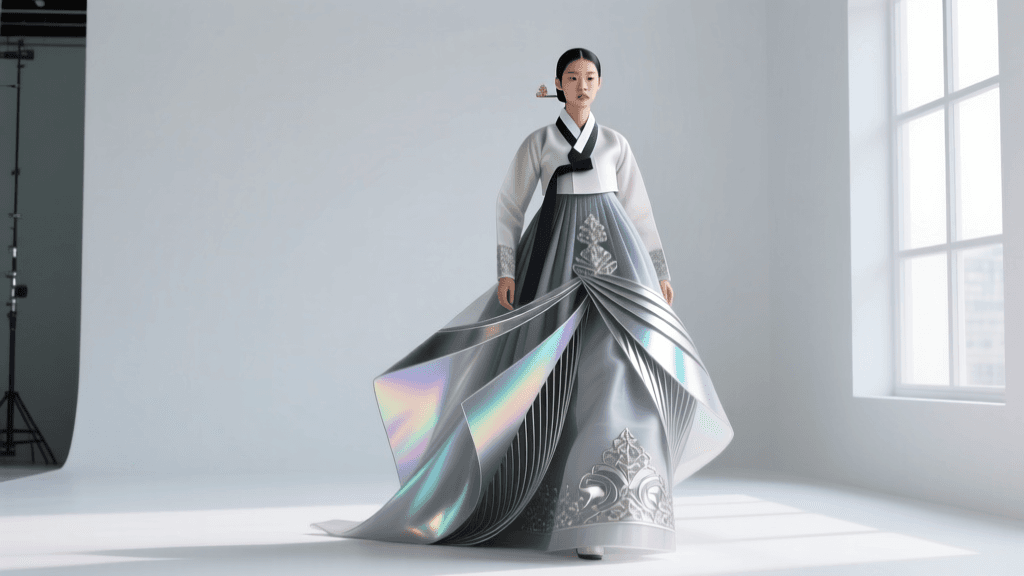
In 2026, the global fashion media landscape has fully transitioned from viewing the traditional Korean hanbok as a fleeting exotic trend to recognizing it as a foundational pillar of modern haute couture. Over the past decade, the proliferation of South Korean soft power paved the way for this sartorial integration, but the Spring/Summer 2026 runway season and subsequent high-fashion editorial spreads have cemented the hanbok’s structural influence on global design. Top-tier publications like Vogue, Harper’s Bazaar, and W Magazine are no longer merely featuring the garment as cultural costume; instead, they are dissecting its architectural brilliance, showcasing how the interplay between the structured jeogori (jacket) and the voluminous chima (skirt) offers a masterclass in proportional contrast.
The shift in 2026 is defined by a rigorous respect for the garment's origins, coupled with avant-garde material innovation. According to the Metropolitan Museum of Art's Asian art archives, the historical hanbok was designed to conceal the body's natural lines in favor of sweeping, geometric silhouettes that moved fluidly with the wearer. Today’s global fashion media is captivated by this exact principle, utilizing advanced 3D-woven organzas and bio-silks to recreate these historic volumes while meeting the rigorous demands of modern editorial photography and sustainable luxury markets.
Deconstructing the 2026 Editorial Silhouette
When styling the hanbok for high-fashion editorials in 2026, creative directors are moving away from literal historical replicas and focusing on the deconstruction of its core components. The magic of the hanbok lies in its flat-pattern construction, which only reveals its three-dimensional majesty when worn. Fashion media stylists are leveraging this unique trait, using dynamic movement and wind-assisted draping to capture the garment's kinetic energy on camera.
Silhouette Shifts: The Modern Jeogori
The jeogori has undergone a radical transformation in the 2026 couture sphere. While traditional iterations were cropped just below the bust to emphasize the high waist of the skirt, modern editorial adaptations are playing with extreme proportions. Designers are presenting hyper-cropped jeogori that function almost as structural boleros, crafted from stiffened, lab-grown spider silk blends that hold their shape without internal boning. Conversely, elongated, tunic-style jeogori with asymmetrical hems are being featured in avant-garde editorial spreads, bridging the gap between traditional Korean menswear and contemporary gender-fluid haute couture.
The Chima Reimagined for the Camera
The chima remains the undisputed star of editorial fashion photography. In 2026, the focus is on "engineered volume." Rather than relying on traditional undergarments like the sokchima (petticoat) to achieve the iconic bell shape, designers are integrating micro-pleating and heat-set memory fabrics that allow the skirt to expand dramatically when the model moves, then collapse into sleek, architectural folds when stationary. This dynamic movement is a favorite among fashion cinematographers and editorial photographers, as it creates striking, sculptural shadows under harsh studio lighting.
2026 Runway to Editorial: A Comparative Analysis
To understand how global fashion media is adapting the hanbok, it is essential to compare traditional construction techniques with the innovations seen in 2026 couture editorials. The following table outlines these critical evolutionary shifts.
| Garment Element | Traditional Construction | 2026 Editorial Adaptation |
|---|---|---|
| Jeogori (Jacket) | Straight seams, curved sleeves (baerae), tied with a single ribbon. | Asymmetrical closures, structural boning, magnetic goreum (ties) for quick styling. |
| Chima (Skirt) | Rectangular panels gathered at the waistband, relying on layers for volume. | Heat-set memory pleats, engineered crinolines, gradient-dyed sustainable cupro. |
| Dongjeong (Collar) | Removable, stiffened white paper or fabric strip framing the face. | Integrated metallic threading, detachable LED-lit acrylic collars for night shoots. |
| Goreum (Ribbon) | Long, flowing silk ties knotted in a specific traditional loop. | Oversized, weighted velvet ribbons; or replaced by sculptural metal clasps. |
Navigating Cultural Appreciation in 2026 Media
As the hanbok’s presence in global media has grown, so too has the industry's awareness of the fine line between cultural appreciation and appropriation. In 2026, major fashion houses and editorial boards operate under strict cultural attribution guidelines. The days of vaguely labeling a collection as "Eastern-inspired" are over. Today, media outlets explicitly credit Korean heritage artisans, textile mills, and historical archives. The Korea.net Culture Portal has been instrumental in providing accessible, multilingual resources for global designers seeking to understand the deep symbolism behind color choices (obangsaek) and motif placements in traditional Korean dress.
"True appreciation in fashion media requires moving beyond the aesthetic surface of the hanbok and engaging with the philosophy of its construction—a harmony between humanity and nature that is more relevant in 2026 than ever before."
Editorial stylists are now frequently collaborating directly with Seoul-based masters (jangin) to ensure that the foundational techniques, such as the precise curvature of the baerae (sleeve), are respected even when the garment is reimagined in unconventional materials like recycled neoprene or mycelium leather.
Actionable Guide for Stylists and Designers
For fashion professionals looking to incorporate the hanbok into their 2026 editorial pitches, runway shows, or private client wardrobes, a strategic approach to sourcing and styling is paramount. Below is a comprehensive guide to navigating the modern hanbok market.
1. Sourcing Authentic and Innovative Textiles
While traditional silk (gongdan) remains a staple, the 2026 market heavily favors sustainable innovations. Look for Hansan-mosi (traditional ramie) blended with recycled cellulosic fibers for a crisp, breathable texture that photographs beautifully under natural light. For high-gloss editorial needs, seek out peace silk (ahimsa silk) treated with natural lacquer finishes, which provides a striking, liquid-like reflection on camera without the environmental toll of synthetic polyesters.
2. Understanding Pricing and Lead Times
Commissioning couture-level hanbok pieces for editorial use requires significant foresight and budget allocation. Below are the current 2026 market rates for custom pieces from established ateliers in Seoul and Paris:
- Editorial Jeogori (Custom Fit): $1,800 – $4,500 USD. Lead time: 6–8 weeks.
- Couture Chima (Engineered Volume): $5,000 – $18,000 USD. Lead time: 12–16 weeks.
- Hand-Embroidered Goreum (Master Artisan): $800 – $2,200 USD per pair. Lead time: 4–6 weeks.
Always factor in an additional 20% budget for international shipping, climate-controlled transit, and specialized steaming upon arrival at the studio.
3. Editorial Lighting and Styling Techniques
The hanbok is designed to interact with space and light. When shooting for high-fashion publications, avoid flat, frontal lighting that flattens the garment's architectural volume. Instead, utilize dramatic, directional lighting to cast deep shadows within the pleats of the chima and highlight the crisp edge of the dongjeong (collar). According to insights featured on Vogue Fashion, the most compelling 2026 editorial campaigns use high-speed sync flash to freeze the motion of the goreum (ribbons) and skirt hems, capturing the kinetic energy that is the hallmark of Korean traditional dress.
4. Pitching the Narrative to Editors
When pitching a hanbok-centric story to global fashion editors in 2026, avoid framing the garment merely as a "trend." Instead, focus your narrative on structural innovation, sustainable textile engineering, and the philosophical concepts of spatial harmony inherent in Korean design. Highlight the specific artisans involved and the technological advancements used to adapt the silhouette for modern movement. By positioning the hanbok as a site of rigorous design innovation rather than just historical homage, your editorial concepts will resonate deeply with the sophisticated, culturally aware audiences of today's premier fashion media.