Kimono vs Yukata: Ceremonial & Everyday Japanese Wear 2026
The Japanese traditional wardrobe is a masterclass in semiotics, where every fold, pattern, and fabric choice communicates the wearer’s age, marital status, and the formality of the occasion. As we navigate the global fashion landscape of 2026, the appreciation for Asian traditional garments has reached new heights, driven by a collective desire for sustainable, meaningful, and culturally rich clothing. However, for both seasoned collectors and newcomers, distinguishing between ceremonial masterpieces and everyday wear can be daunting. Understanding the nuanced differences between highly formal garments like the Furisode and Tomesode, and everyday staples like the Komon and Yukata, is essential for building a versatile and culturally respectful wardrobe in 2026.
The Ceremonial Standard: Furisode and Tomesode in 2026
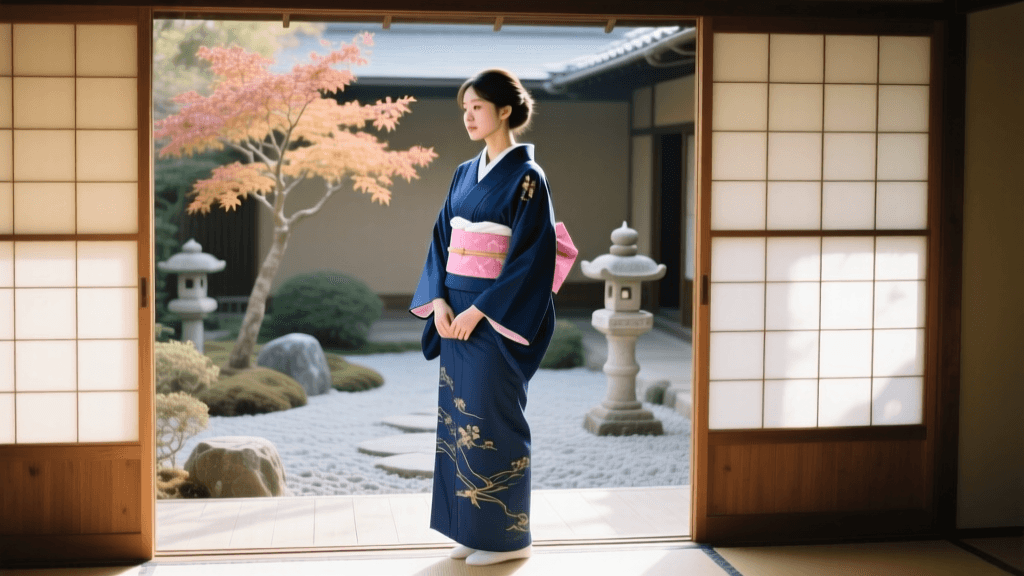
Ceremonial kimono represent the pinnacle of Japanese textile arts. These garments are not merely clothing; they are wearable canvases that require specific undergarments, precise folding techniques, and a deep understanding of seasonal motifs. The Furisode, characterized by its long, swinging sleeves, is the most formal kimono for unmarried women. It is a staple at Seijin Shiki (Coming of Age Day) and formal weddings. Conversely, the Tomesode (with shorter sleeves and patterns confined to the lower hem) serves as the highest formal wear for married women.
In 2026, the ceremonial market has seen a fascinating shift toward lightweight silks and sustainably sourced dyes, responding to global eco-conscious trends without sacrificing the luxurious drape of traditional Nishijin-ori weaves. According to the Metropolitan Museum of Art, the kimono's T-shaped structure has remained fundamentally unchanged for centuries, yet the methods of embellishment continue to evolve. Today, hand-painted Yuzen dyeing remains the gold standard for ceremonial wear, though 2026 has introduced advanced digital-mapping techniques that allow artisans to prototype complex, multi-layered motifs before committing them to silk.
Financially, investing in a bespoke ceremonial kimono is a significant commitment. In 2026, a new, handcrafted Furisode ensemble (including the kimono, obi, and accessories) typically ranges from ¥600,000 to over ¥1,500,000. Consequently, the high-end rental market remains incredibly robust, with premium 2026 rental packages averaging ¥50,000 to ¥90,000, offering access to museum-quality textiles for single-day events.
Everyday Elegance: Komon and Yukata for Modern Living
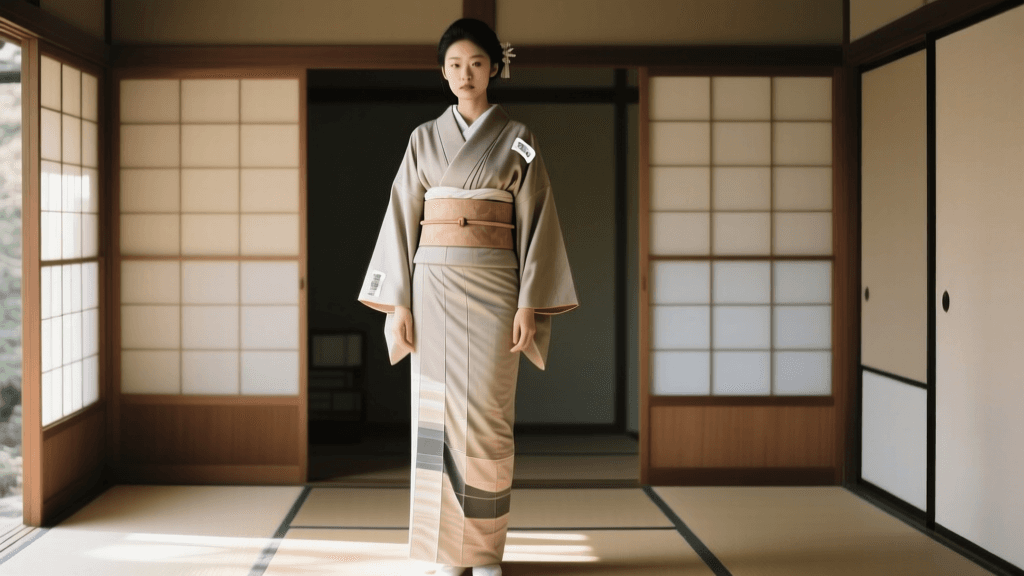
While ceremonial garments command reverence, everyday traditional wear offers practicality, comfort, and an opportunity for daily cultural expression. The Komon is a casual kimono featuring a repeating pattern that covers the entire garment. It is the quintessential choice for visiting a museum, attending a casual tea ceremony, or dining out in the city. Unlike formal kimono, Komon can be paired with simpler, less expensive Nagoya obi and standard zori sandals.
The Yukata, meanwhile, is the most accessible entry point into Japanese traditional dress. Originally a bathrobe for the nobility, it evolved into the unlined cotton or hemp summer garment worn at festivals (matsuri) and hot spring resorts (onsen). In 2026, the Yukata has transcended its summer boundaries. Modern textile innovations have introduced breathable, wrinkle-resistant cotton-polyester blends that mimic the crisp feel of traditional ji cotton while offering machine-washable convenience. This durability has made the Yukata a favorite for international travelers and modern urbanites who want the aesthetic of traditional dress without the meticulous maintenance required by silk.
Comparative Breakdown: Ceremonial vs. Everyday Garments
To navigate the complexities of the Japanese wardrobe, it is crucial to understand the structural and stylistic differences across formality levels. The table below outlines the primary distinctions as they stand in 2026.
| Feature | Ceremonial (Furisode / Tomesode) | Semi-Formal (Homongi) | Everyday (Komon / Yukata) |
|---|---|---|---|
| Fabric | Heavy silk, Nishijin brocade, Yuzen dyed | Lighter silk, crepe (chirimen), tsumugi | Cotton, hemp, washable silk, polyester blends |
| Collar (Han-eri) | White or heavily embroidered silk | Subtle embroidery or patterned silk | Simple cotton, mesh, or detachable synthetic |
| Footwear | Formal Zori (brocade/vinyl) with white Tabi | Zori (leather/fabric) with white or dyed Tabi | Geta (wooden clogs) or casual Zori; bare feet or casual socks for Yukata |
| Obi Style | Maru or Fukuro Obi (wide, heavily woven) | Fukuro or Nagoya Obi | Hanhaba (half-width) or lightweight Nagoya |
| 2026 Est. Cost | ¥600,000 - ¥1,500,000+ (Purchase) | ¥150,000 - ¥400,000 (Purchase) | ¥5,000 - ¥40,000 (Purchase) |
2026 Styling Trends: Bridging the Formal-Casual Gap
One of the most exciting developments in 2026 is the 'Neo-Traditional' styling movement, which deliberately blurs the rigid lines between ceremonial and everyday wear. Younger generations and avant-garde stylists in Tokyo and Kyoto are pioneering techniques that make traditional garments more adaptable to contemporary lifestyles.
- The Haori Revival: The haori (a traditional hip- or thigh-length jacket) is increasingly being worn open over modern clothing, such as tailored trousers or minimalist midi-dresses. Vintage, highly decorated ceremonial haori are being repurposed as statement outerwear, allowing the intricate back panels to be displayed in casual settings.
- Obi Knot Innovation: While the formal taiko musubi (drum knot) remains mandatory for weddings, 2026 has seen a surge in creative, architectural bunko (bow) knots for semi-formal and everyday wear. These knots utilize obijime (decorative cords) in unexpected colors, adding a pop of modern streetwear aesthetics to classic silhouettes.
- Footwear Crossovers: Traditional wooden geta are being paired with modern, ergonomic rubber soles designed by 2026 footwear startups, providing the elevated aesthetic of a festival sandal with the shock absorption needed for navigating concrete cityscapes.
Sourcing, Sustainability, and the Secondhand Market
The sustainability of traditional garments is a major talking point in 2026. The production of new silk carries a significant environmental footprint, leading to a massive boom in the recycle kimono (secondhand) market. The Victoria and Albert Museum highlights the kimono's enduring adaptability and its historical precedent for being unpicked, re-dyed, and passed down through generations. Today, this circular fashion model is more relevant than ever.
Shoppers in 2026 are frequenting specialized vintage markets and online auction houses to rescue high-quality ceremonial silks from the mid-20th century. A common practice is kimono remake, where damaged or stained ceremonial garments are carefully deconstructed and tailored into modern jackets, tote bags, or even everyday Komon-style wrap skirts. This not only preserves the breathtaking artistry of Yuzen and Shibori textiles but also ensures that these cultural artifacts remain in active circulation rather than languishing in storage.
Care and Maintenance for the Modern Wardrobe
Proper care is the dividing line between a garment that lasts a generation and one that deteriorates in a single season. Ceremonial silks require meticulous attention. They must never be washed with water. Instead, they rely on maru-arai, a specialized dry-cleaning process using petroleum-based solvents that preserve the silk's natural oils and metallic threads. In 2026, professional cleaning services utilize advanced ozone treatments to remove odors without subjecting the delicate dyes to harsh chemicals.
For everyday cotton Yukata and modern washable polyester Komon, home care is straightforward but requires specific folding techniques. Garments should be washed in a mesh net on a gentle cycle and hung to dry in the shade to prevent UV fading. Once dry, they must be folded along their original seam lines to prevent permanent creasing. Storing them in tatou-shi (specialized anti-crease and moisture-wicking paper) inside a wooden tansu chest or a breathable cotton storage box is essential, especially during the humid summer months. By respecting the structural integrity of the garment through proper folding and storage, wearers ensure their everyday and ceremonial pieces remain pristine for decades to come.
Whether you are attending a formal tea ceremony in a silk Tomesode or enjoying a summer evening at a lantern festival in a crisp cotton Yukata, understanding the boundaries and intersections of Japanese traditional wear allows you to honor the culture while expressing your personal style in 2026.