Complete Kimono Layering Guide: Types & Styling Trends 2026
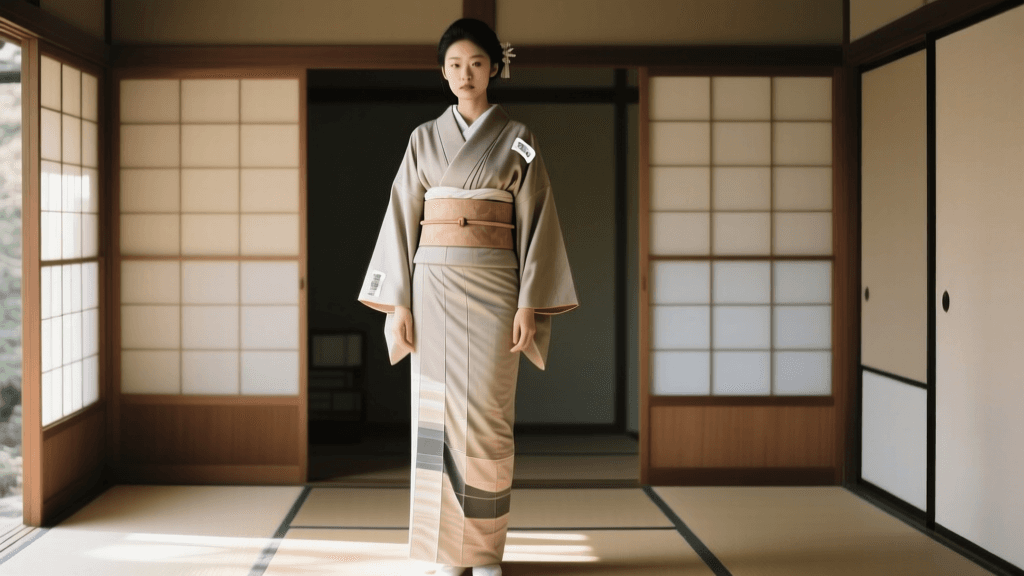
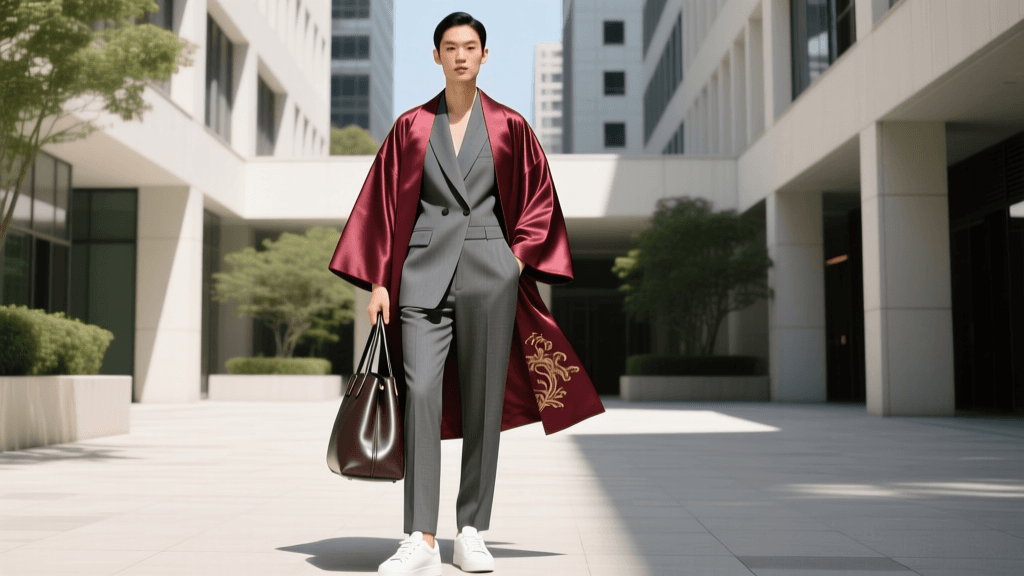
The Japanese kimono is experiencing a profound renaissance in 2026. Driven by a global appetite for sustainable fashion and a domestic revival of traditional craftsmanship, the kimono has transcended its reputation as strictly ceremonial wear. Today's wearers are blending Edo-period aesthetics with contemporary lifestyle needs. Whether you are attending a formal tea ceremony in Kyoto or exploring the modernized vintage markets of Harajuku, understanding the complete anatomy and layering system of Japanese traditional garments is essential. This comprehensive guide breaks down the core garment types, the intricate layering process, and the latest 2026 sourcing trends for collectors and first-time wearers alike.
The Core Anatomy of the Kimono Ensemble
To the untrained eye, a kimono might appear to be a single, simple robe. In reality, it is a complex, multi-layered system designed to create a seamless, cylindrical silhouette while allowing for seasonal adaptation.
- Nagajuban (Long Undergarment): The foundation layer. In 2026, innovative moisture-wicking and cooling fabrics have revolutionized the summer nagajuban, making it significantly more comfortable during Japan's increasingly intense heatwaves. The collar of the nagajuban (the 'han-eri') is one of the few visible under-layers, offering a subtle pop of color or intricate embroidery at the neckline.
- The Kimono (Main Robe): Cut from a single bolt of fabric (tanmono), the kimono features straight seams and no darts. The width and drape are adjusted entirely through the folding and tying process.
- Obi (The Sash): The most expensive and structurally vital component. While traditional silk brocades remain popular for formal events, 2026 has seen a massive surge in upcycled obi belts made from vintage textiles, as well as modern, pre-tied 'tsuke-obi' that utilize discreet magnetic clasps for effortless wear.
- Obiage and Obijime: The obiage is a silk cloth used to hide the obi pillow (makura), while the obijime is a braided cord tied over the obi to secure it. Modern artisans are currently experimenting with sustainable dyed threads and recycled metallic fibers for these accessories.
- Tabi and Zori: Tabi are split-toe socks, traditionally white for formal wear. Zori are the accompanying sandals. Recent 2026 footwear trends include ergonomic zori with memory-foam inserts and weather-resistant synthetic tatami surfaces, catering to urban commuters.
Major Japanese Garment Types Explained
Selecting the correct kimono type is dictated by the wearer's age, marital status, and the formality of the event. Missteps in formality are considered a major faux pas, though the rules have relaxed slightly for international tourists and modern youth embracing the garment as everyday fashion.
| Garment Type | Formality | Sleeve Length | Primary 2026 Use Case |
|---|---|---|---|
| Furisode | Highest (Unmarried) | 100-114cm | Coming of Age Day, Weddings |
| Tomesode | Highest (Married) | 50-70cm | Wedding Guest, Formal Banquets |
| Houmongi | Formal / Visiting | 50-70cm | Tea Ceremonies, Galas |
| Komon | Casual / Everyday | 50-70cm | Dining, Theater, Daily Wear |
| Yukata | Informal / Summer | 50-70cm | Festivals, Ryokan, Lounging |
| Hakama | Formal / Academic | N/A (Pleated) | Graduations, Martial Arts |
- Furisode: Recognizable by its dramatically long, swinging sleeves. It is the undisputed formal wear for unmarried women and remains a staple for the annual Coming of Age Day celebrations.
- Tomesode: The formal equivalent for married women. The 'Kuro-tomesode' (black with crests) is strictly for close relatives at weddings, while 'Iro-tomesode' (colored) is for broader formal occasions.
- Houmongi: The 'visiting wear.' Characterized by a continuous pattern that flows across the seams. It is the most versatile formal garment, suitable for both married and unmarried women.
- Komon: The everyday kimono, featuring a repeating, micro-pattern. It is the staple of the thriving 2026 vintage recycling market, prized for its versatility and lower price point.
- Yukata: A lightweight, unlined cotton or hemp robe. Originally bathhouse wear, it is now the standard for summer festivals (matsuri) and casual ryokan stays.
The Hakama: Tradition Meets Modern Academia
The hakama is a pleated, divided skirt (or undivided, in the 'andon' style) worn over the kimono. Historically worn by samurai to protect their legs while riding horses, the hakama evolved into a symbol of scholarly and martial prestige.
In 2026, the 'umanori' (divided, trouser-like) hakama remains the standard for martial arts like kendo and kyudo due to its mobility. However, the 'andon' (undivided, skirt-like) hakama is overwhelmingly popular among university students for graduation ceremonies. The modern graduation hakama is frequently paired with a lace-up boot or a modernized leather zori, reflecting a popular 'Taisho-era retro' aesthetic that continues to dominate Japanese campus fashion.
2026 Sourcing Trends: Sustainable Vintage and Modern Rentals
The market for acquiring traditional Japanese garments has shifted dramatically. With the cost of a brand-new, custom-tailored silk furisode easily exceeding ¥500,000 (roughly $3,300 USD), the 2026 consumer is turning toward sustainable alternatives.
Recycle Kimono Shops: Tokyo's Shimokitazawa and Kyoto's Higashiyama districts are currently experiencing a boom in 'recycle' (vintage) kimono boutiques. Here, buyers can source high-quality, mid-century silk komon and houmongi for between ¥5,000 and ¥20,000. These shops often provide on-site modern alterations, such as shortening sleeves or replacing stained collars, making vintage pieces accessible to a global market.
Rental Innovations: For tourists and one-time wearers, the rental industry has integrated augmented reality (AR) mirrors in flagship Ginza stores, allowing customers to digitally preview how different obi and kimono combinations will look before committing to a physical fitting.
According to the Victoria and Albert Museum's extensive research on kimono evolution, the garment has always been highly adaptable, absorbing foreign influences and new technologies. The 2026 emphasis on upcycling and digital integration is simply the latest chapter in this centuries-old tradition of adaptation.
Step-by-Step Layering Sequence
Dressing in a kimono (kitsuke) is an art form that requires practice. The fundamental rule is always to wrap the left side over the right side; wrapping right over left is strictly reserved for dressing the deceased for burial.
- Preparation: Put on the hadajuban (undershirt) and susoyoke (underskirt). Ensure the skin is protected from the outer silk layers to preserve the fabric.
- Nagajuban: Slip on the long undergarment. Adjust the collar so it sits neatly at the base of the neck, and tie the date-jime (under-sash) to secure it firmly.
- The Kimono: Drape the kimono over your shoulders. Align the back seam perfectly with your spine. Bring the right panel across your body first, then overlap the left panel over it.
- Waist Tying: Use a koshi-himo (tying sash) to secure the kimono at the waist. Pull the excess fabric up and fold it down neatly to create the 'ohashori' (the visible tuck at the waist), which allows for height adjustment and ensures the hem falls perfectly at the ankles.
- Collar Adjustment: Use a second koshi-himo just below the bust to secure the collar. The back of the collar should be pulled down slightly to expose the nape of the neck, considered a highly elegant feature in Japanese aesthetics.
- The Obi: Wrap the obi around the waist or hips, depending on the formality and the wearer's age. Tie the chosen knot (such as the 'taiko musubi' for formal wear or 'bunko musubi' for yukata).
- Accessories: Tie the obijime cord over the obi, tuck the obiage cloth in, and slip on your tabi socks and zori sandals to complete the ensemble.
Preserving the Craft for the Future
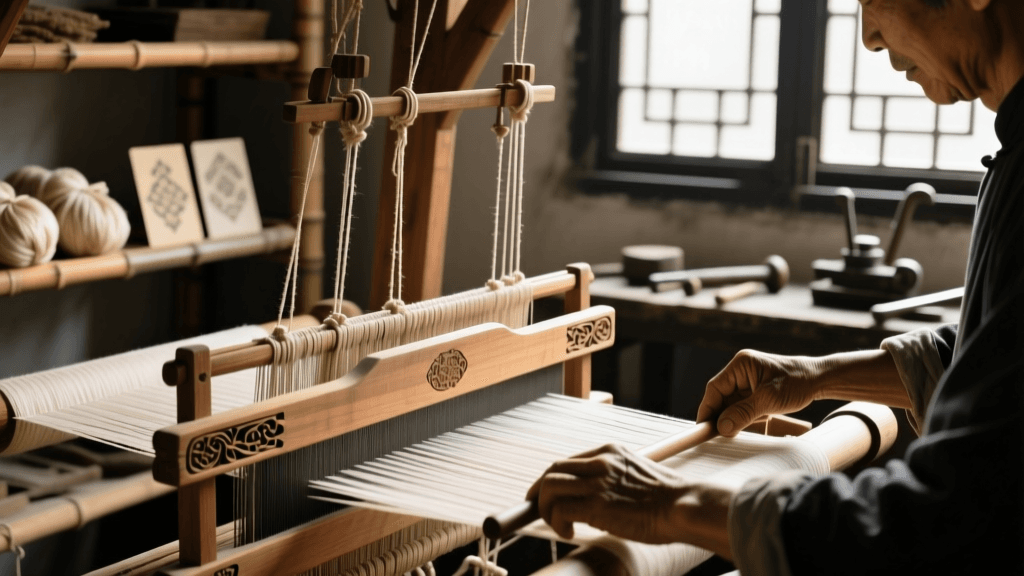
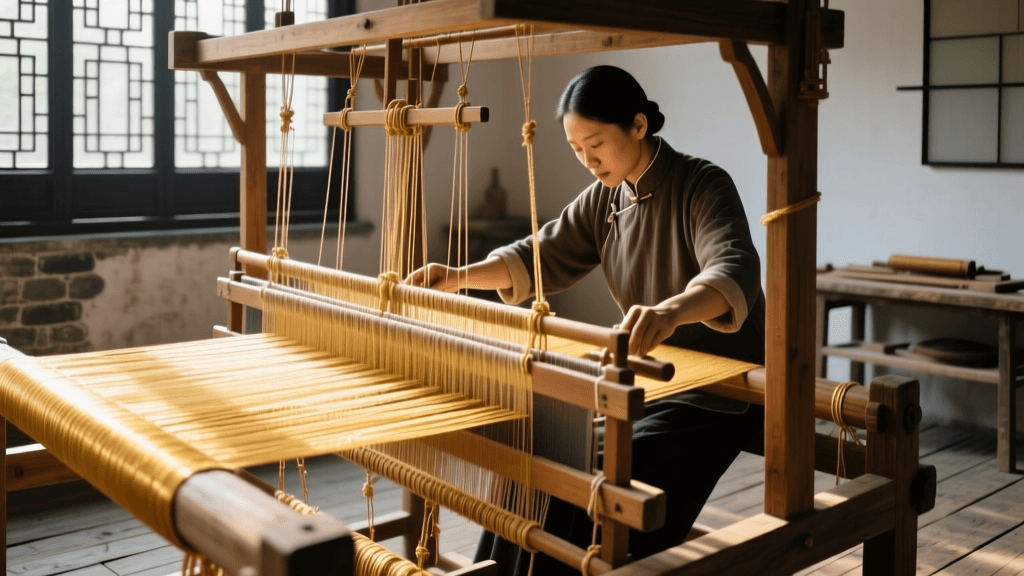
The survival of the kimono in 2026 relies heavily on the preservation of regional dyeing and weaving techniques. Organizations and cultural institutions are working tirelessly to document these methods. The Metropolitan Museum of Art's Heilbrunn Timeline of Art History provides profound insights into the historical techniques of Nishijin weaving and Yuzen dyeing that continue to inform modern artisans.
Furthermore, the Japan National Tourism Organization actively promotes regional craft villages, encouraging travelers to experience the creation of these garments firsthand, ensuring that the master artisans of Kanazawa and Kyoto can pass their skills to the next generation.
Whether you are investing in a vintage silk komon or renting a vibrant yukata for a summer festival, understanding the rich anatomy and layering traditions of Japanese garments transforms the act of getting dressed into a profound cultural immersion.