Styling Vintage Silk Haori Jackets for 2026 Wardrobes
The Renaissance of the Haori in 2026 Contemporary Fashion
The 2026 fashion landscape is heavily defined by 'heritage minimalism'—a movement that rejects fast fashion in favor of historically significant, meticulously crafted garments integrated into modern, functional wardrobes. At the forefront of this cross-cultural styling revolution is the Japanese haori. Originally worn as a protective outer layer over the kimono, the haori has transcended its traditional boundaries to become a staple in contemporary global workwear and elevated streetwear. As outlined by The Metropolitan Museum of Art, the structural elegance and T-shaped silhouette of traditional Japanese garments offer a unique architectural contrast to Western tailoring. In 2026, styling a vintage silk haori is no longer about costume; it is about mastering proportion, texture, and cultural appreciation through thoughtful, modern integration.
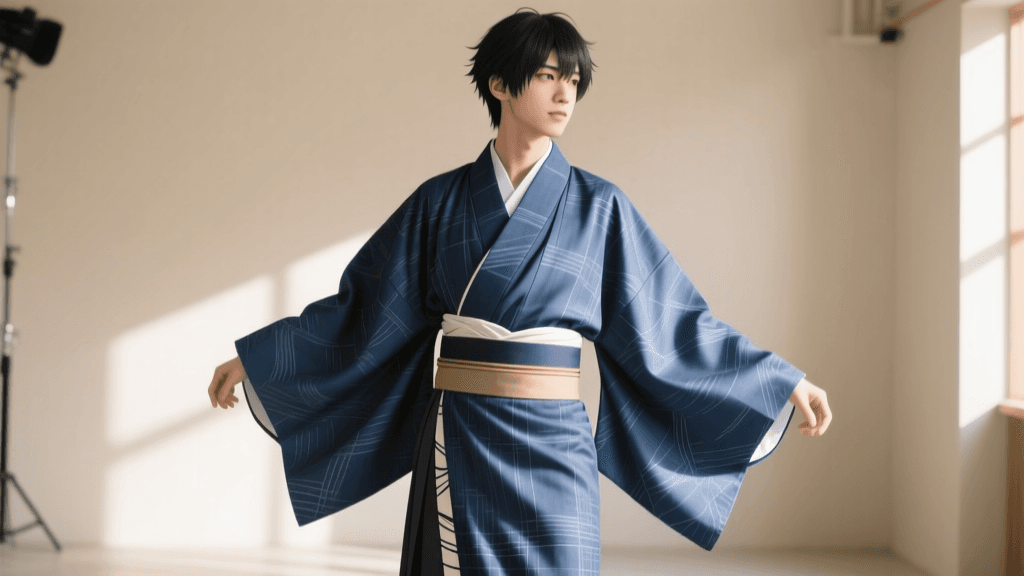
Mixing traditional Asian pieces with contemporary clothing requires an understanding of both the garment's history and its physical drape. The haori, characterized by its open front, wide sleeves, and lack of overlapping lapels, acts as a spectacular statement piece. When paired with the sharp, structured lines of modern minimalist tailoring, the result is an outfit that commands attention while remaining entirely appropriate for creative offices, gallery openings, and upscale urban environments.
Decoding Silhouettes: Proportions and Measurements
The most common mistake modern wearers make when incorporating a haori into a Western wardrobe is ignoring proportion. Traditional haori lengths vary wildly, from the cropped happi style to the thigh-length formal coats. For modern workwear and streetwear in 2026, the ideal length is crucial for maintaining a streamlined silhouette.
- The Hip-Length Haori (approx. 30-34 inches / 76-86 cm): This is the most versatile length for modern styling. It hits right at the hip bone, allowing it to function similarly to a modern cropped blazer or a bomber jacket. It pairs exceptionally well with high-waisted wide-leg trousers and midi skirts, as it does not obscure the waistline.
- The Mid-Thigh Haori (approx. 38-42 inches / 96-106 cm): Best suited for taller individuals or those aiming for a dramatic, avant-garde streetwear look. This length mimics the duster coat and should be worn over slim-fit base layers or tailored column dresses to prevent the outfit from looking overwhelming.
- Sleeve Drop and Width: Vintage haori sleeves are significantly wider than Western jackets. Ensure that the base layer you wear underneath has a slim or tapered sleeve (such as a mock-neck merino wool top or a crisp cotton poplin shirt) so that the fabric does not bunch uncomfortably at the wrists.
Three Masterclass Outfit Formulas for 2026
1. The Architect: Minimalist Office Tailoring
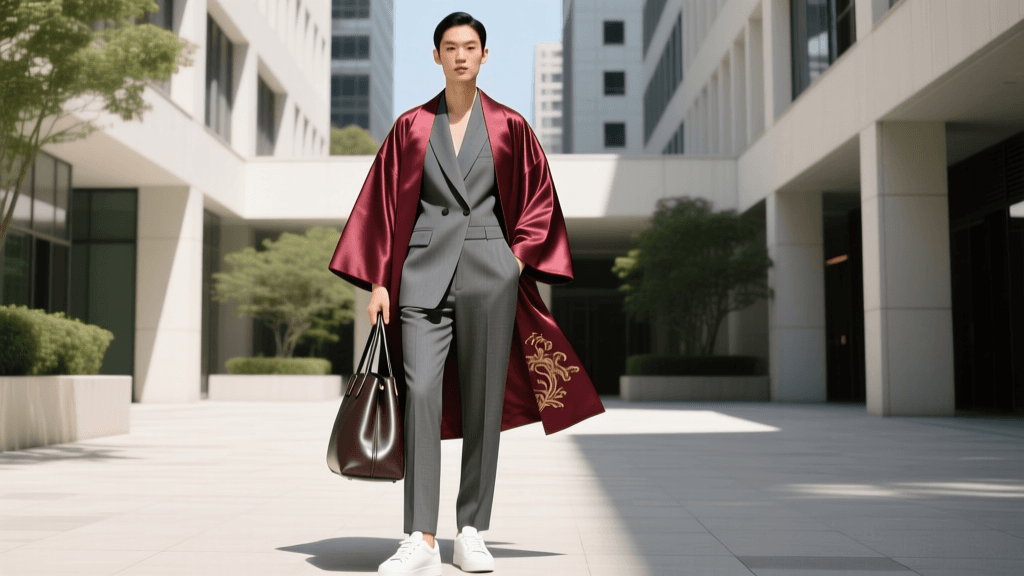
For the modern creative professional, the haori serves as a brilliant alternative to the standard wool blazer. Start with a foundation of charcoal or obsidian black. Wear a fitted, ribbed cashmere turtleneck tucked into high-waisted, pleated wool trousers that pool slightly over a minimalist leather loafer. Drape an irohaori (colored haori) featuring a subtle, monochromatic jacquard weave over the shoulders. The contrast between the matte, structured wool and the luminous, fluid silk of the haori creates a dynamic visual tension that is both professional and deeply artistic.
2. The Gallery Director: Elevated Weekend Streetwear
Streetwear in 2026 has pivoted away from oversized logos toward quiet luxury and textile appreciation. Pair a vintage, indigo-dyed kasuri (ikat) cotton or heavy silk haori with raw, straight-leg selvedge denim and a heavyweight, boxy white cotton t-shirt. Finish the look with modern, chunky-soled derby shoes or minimalist leather sneakers. The haori acts as the ultimate layering piece, providing movement and a striking backdrop to the utilitarian denim.
3. The Evening Column: Formal and Cocktail Wear
For evening events, a formal kurotomesode or heavily embroidered haori can be worn over a sleek, bias-cut silk slip dress or a tailored silk jumpsuit. By utilizing a modern, thin leather belt over the jumpsuit and allowing the haori to hang open, you maintain the vertical line of the body while framing the intricate back or hem motifs of the traditional garment.
True style in 2026 is not about erasing the origins of a garment, but rather creating a dialogue between the heritage of the past and the functionality of the present. The haori is a masterclass in this dialogue.
Fabric Guide and Comparison Chart
Understanding the textile is paramount when shopping for vintage pieces. The weave of the silk dictates how the garment drapes over modern clothing and how it reacts to different climates. Below is a comprehensive guide to the most common haori fabrics you will encounter in the 2026 vintage market and how to style them.
| Haori Fabric Type | Texture and Drape | Best Modern Pairing | Est. 2026 Vintage Price (USD) |
|---|---|---|---|
| Chirimen (Crepe Silk) | Matte finish, slightly textured, excellent drape, resists wrinkling. | Structured wool trousers, crisp cotton shirting. | $120 - $280 |
| Rinzu (Damask Silk) | Soft, lustrous, features woven repeating patterns, very fluid. | Bias-cut silk skirts, evening wear, cashmere knits. | $180 - $400 |
| Tsumugi (Pongee) | Slubbed texture, matte, stiffer drape, rustic and durable. | Raw denim, heavyweight cotton tees, streetwear. | $150 - $350 |
| Shioze (Habotai) | Lightweight, smooth, often used for linings or summer wear. | Linen base layers, summer resort wear. | $80 - $180 |
Seasonal Adaptations: Awase vs. Hitoe
When integrating traditional Asian pieces into a modern wardrobe, one must respect the seasonality built into the garments. The Japanese concept of koromogae (seasonal wardrobe transition) is highly relevant. An awase haori is fully lined, making it perfect for autumn and winter layering over thick merino wools and cashmere. Conversely, a hitoe haori is unlined and made of lightweight silk or linen, designed for the humid summer months. In 2026, wearing a heavy, lined winter haori over a sheer summer blouse is considered a stylistic faux pas; always match the weight of your traditional outerwear to the weight of your modern base layers.
Preservation: Caring for Vintage Silk in 2026
Investing in a vintage silk haori requires a commitment to proper garment care. The dyes used in mid-century Japanese textiles can be sensitive to modern environmental factors. To ensure your piece survives for decades, adhere to the following care protocols:
- Specialist Cleaning: Never take a vintage silk haori to a standard commercial dry cleaner. In 2026, seek out heritage textile conservators or specialist kimono cleaners. Expect to pay between $65 and $120 per garment for traditional arai-hari inspired cleaning or specialized solvent treatments that protect the silk's protein structure.
- Storage: Do not store silk on wire or wooden hangers, as the weight of the wet or stressed silk will distort the shoulder seams. Use padded, acid-free hangers. Store the garment in a breathable cotton garment bag, never plastic, which traps moisture and causes yellowing.
- Moth Prevention: Avoid chemical mothballs, which will permanently taint the silk with a noxious odor and can degrade the fibers. Instead, use natural Japanese cedar blocks (kusunoki) and ensure the storage environment maintains a humidity level between 45% and 55%.
Sourcing Authentic Pieces and Cultural Appreciation
As the demand for heritage garments has surged, so has the market for mass-produced, inauthentic imitations. When sourcing a genuine vintage haori, look for the presence of the hiyoku (a second layer of silk at the hem and sleeve openings) and hand-stitched interior seams, which are hallmarks of authentic Japanese construction. As noted by the Victoria and Albert Museum, the global appreciation of the kimono and its associated garments requires a mindful approach to consumption, recognizing the immense artisanal labor embedded in every thread.
In 2026, the most reliable avenues for sourcing authentic pieces include established online Japanese vintage exporters based in Kyoto and Tokyo, specialized auction houses, and reputable textile dealers at international vintage fairs. By choosing to integrate a genuine, historically significant haori into your modern wardrobe, you are not just making a fashion statement; you are participating in the preservation of a profound artistic legacy, proving that true elegance is timeless, borderless, and endlessly adaptable.