Kimono Kitsuke Mindfulness: Slow Fashion Wellness In 2026
The Intersection of Traditional Garments and Mental Health
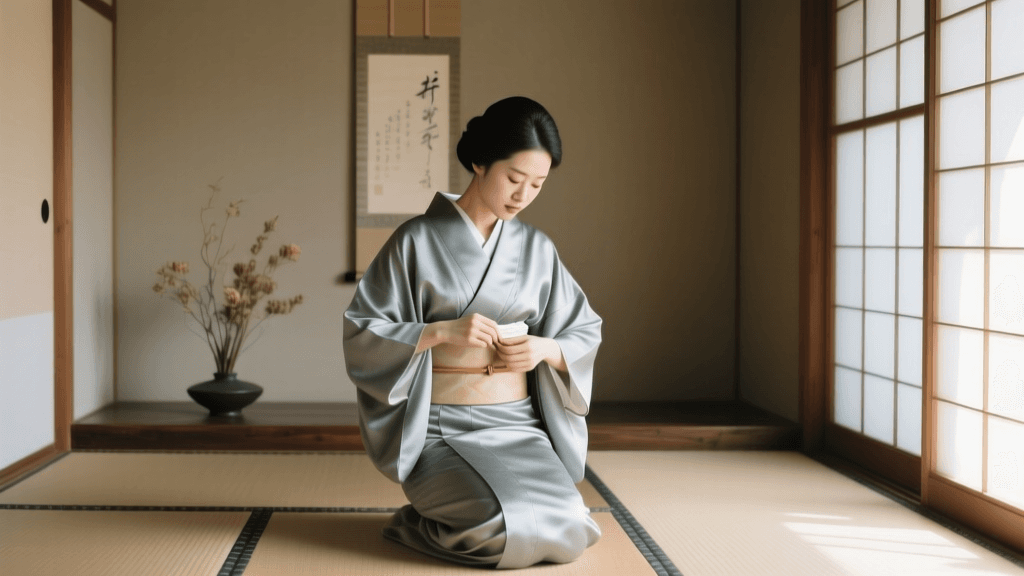
In an era dominated by hyper-digital living and algorithmic trend cycles, the year 2026 has seen a profound cultural pivot toward analog wellness. Mental health professionals and holistic wellness retreats are increasingly prescribing tactile, historically grounded practices to combat digital fatigue and screen-induced anxiety. Among the most profound of these emerging practices is kitsuke—the traditional Japanese art of dressing in a kimono. Far from being merely a sartorial choice or a costume for special occasions, kitsuke has been reclaimed by a new generation as a powerful daily mindfulness ritual, bridging the gap between psychological wellbeing and the slow fashion movement.
As global wellness trends shift away from app-based meditation and toward embodied, physical rituals, the meticulous process of wrapping, folding, and tying the kimono offers a unique sanctuary. It is a practice that demands presence, patience, and a deep connection to the physical world, providing a vital counterbalance to the ephemeral nature of modern digital life.
The Psychology of Kitsuke: Entering the Flow State
The act of putting on a kimono is inherently methodical and deeply intentional. Unlike modern Western clothing, which often relies on elastic, zippers, and rapid, thoughtless assembly, the kimono consists of flat, rectangular panels of fabric that must be folded, wrapped, and tied with exact precision. This deliberate process demands complete cognitive presence, effectively shutting out external distractions.
According to research highlighted by the Mayo Clinic, mindfulness practices that engage the senses and require focused, deliberate attention are highly effective in reducing cortisol levels, lowering blood pressure, and mitigating anxiety. When you engage in kitsuke, you are not just getting dressed; you are entering a meditative flow state. The brain shifts from the default mode network—associated with rumination and worry—into a state of active, grounded concentration.
Tactile Grounding Through Silk and Cotton
Consider the rich sensory inputs involved in the ritual. There is the crisp, structured feel of the cotton hadajuban (undergarment) against the skin, serving as a protective barrier. There is the auditory cue of kinu-zure—the distinct, whispering rustle of silk crepe (chirimen) rubbing together as you adjust the hem. There is the olfactory grounding of camphor, dried tangerene peel, and aged paulownia wood that lingers on a garment stored in a traditional tansu chest. These sensory anchors pull the practitioner out of abstract thought loops and firmly into the physical present moment, a core tenet of somatic therapy.
Slow Fashion: The Antidote to 2026's Digital Fatigue
Beyond personal mental health, kitsuke represents a radical act of slow fashion in 2026. The global apparel industry continues to grapple with its devastating environmental footprint, yet the kimono represents a historical masterclass in circularity and longevity. As documented by the Ellen MacArthur Foundation, true circular fashion relies on garments being designed for durability, reuse, and eventual regeneration, entirely divorced from the concept of 'end-of-life' waste.
A high-quality silk kimono is not tied to a specific season, a fleeting micro-trend, or a planned obsolescence cycle. It is engineered to be disassembled, re-dyed, and passed down through generations. The Metropolitan Museum of Art notes that the T-shaped structure of the kimono has remained largely unchanged for centuries, a testament to its perfect, zero-waste geometric design. Because the fabric is cut in straight lines from a single bolt of cloth (tanmono), there is virtually no textile waste during production. In 2026, as eco-conscious consumers seek meaningful alternatives to the synthetic hauls of ultra-fast fashion, adopting a kimono wardrobe—particularly through the thriving vintage markets in Kyoto, Tokyo, and global online archives—offers a sustainable, deeply resonant lifestyle choice.
Comparative Analysis: Fast Fashion vs. Mindful Kitsuke
To understand the wellness and environmental impact of this practice, it is helpful to contrast the modern dressing routine with the traditional kitsuke ritual.
| Aspect | 2026 Fast Fashion Routine | Mindful Kitsuke Ritual |
|---|---|---|
| Time Investment | 3-5 minutes (Rushed, Multitasking) | 20-30 minutes (Deliberate, Single-tasking) |
| Cognitive State | Autopilot / Distracted / Stressed | Flow State / Grounded / Meditative |
| Environmental Impact | High (Microplastics, Landfill, Water Waste) | Low (Zero-waste cut, Biodegradable Fibers) |
| Garment Lifespan | 1-3 Years (Planned Obsolescence) | Multi-generational (100+ Years with Care) |
| Emotional Resonance | Disposable / Trend-driven / Ephemeral | Ancestral Connection / Intentional / Heirloom |
A Practical 2026 Guide to Your Morning Kitsuke Ritual
You do not need to be a certified kimono stylist to experience the mental health benefits of kitsuke. By dedicating just 20 minutes of your morning to this practice, you can set a grounded, intentional tone for the day. Here is a step-by-step guide to a mindful dressing ritual.
Step 1: Preparation and Breathwork (5 Minutes)
Begin by selecting your garments the night before. Lay out your hadajuban, nagajuban (inner robe), kimono, koshihimo (waist ties), and datejime (under-belt) in the order they will be worn. Stand before a full-length mirror. Close your eyes and take five deep, diaphragmatic breaths. Acknowledge the transition from rest to wakefulness. Run your hands over the silk, appreciating the artisans who wove and dyed the fabric decades or even centuries ago.
Step 2: Layering the Juban (5 Minutes)
Slip into the hadajuban and tie it gently. Next, don the nagajuban. As you align the center back seam, focus on your posture. The kimono naturally encourages an upright, aligned spine, which somatic psychologists note can positively influence mood and confidence. Tie the first koshihimo just below the bust. The gentle, firm pressure of the cotton tie provides a comforting, weighted sensation similar to a weighted blanket, promoting nervous system regulation.
Step 3: Wrapping the Kimono and Securing the Datejime (5 Minutes)
Drape the kimono over your shoulders, ensuring the hem falls evenly at your ankles. Cross the left side over the right (reserving the right-over-left style strictly for funeral rites). As you pull the fabric taut, exhale slowly. The physical act of 'wrapping' oneself is psychologically protective, creating a boundary between your inner self and the outside world. Secure the kimono with a waist tie, then apply the datejime to flatten the fabric and support the lower back. Adjust the eri (collar) to show a precise, elegant glimpse of the inner robe at the nape of the neck.
Step 4: Tying the Obi with Intention (5 Minutes)
For a daily mindfulness practice, a complex taiko musubi (drum knot) is not required. Instead, practice tying a simple bunko musubi (bow knot) or utilize a beautifully crafted vintage tsukuri-obi (pre-tied obi) secured with an obi-jime (decorative cord). The final tying of the cord is the sealing of your intention for the day. Look in the mirror, not to critique your appearance, but to acknowledge the time and care you have invested in yourself.
Caring for Your Garments: Mushiboshi as Seasonal Mindfulness
The wellness connection to the kimono extends beyond wearing it; it encompasses how we care for it. In Japan, the practice of mushiboshi involves airing out silk garments on specialized bamboo racks during the dry, crisp days of late autumn or winter. In 2026, this has been embraced globally as a seasonal mindfulness retreat at home.
Instead of viewing laundry as a chore, mushiboshi is an act of gratitude and stewardship. Unfolding a vintage silk kimono, brushing away the dust, and hanging it in the shade invites reflection on the passage of time, the changing of the seasons, and our role as temporary custodians of beautiful, enduring objects. It is a powerful exercise in combating the modern culture of disposability, replacing it with a mindset of reverence and longevity.
Conclusion
As we navigate the complexities of 2026, the intersection of traditional Asian garments and modern wellness offers a profound sanctuary. The art of kitsuke is far more than a method of wearing clothing; it is a wearable meditation, a commitment to sustainable slow fashion, and a daily rebellion against the rush of the digital age. By embracing the folds, ties, and rich history of the kimono, we wrap ourselves not just in silk, but in centuries of mindful intention, grounding our mental health in the enduring beauty of tradition.