Xin Zhongshi Capsule Wardrobe 2026: New Chinese Style Guide
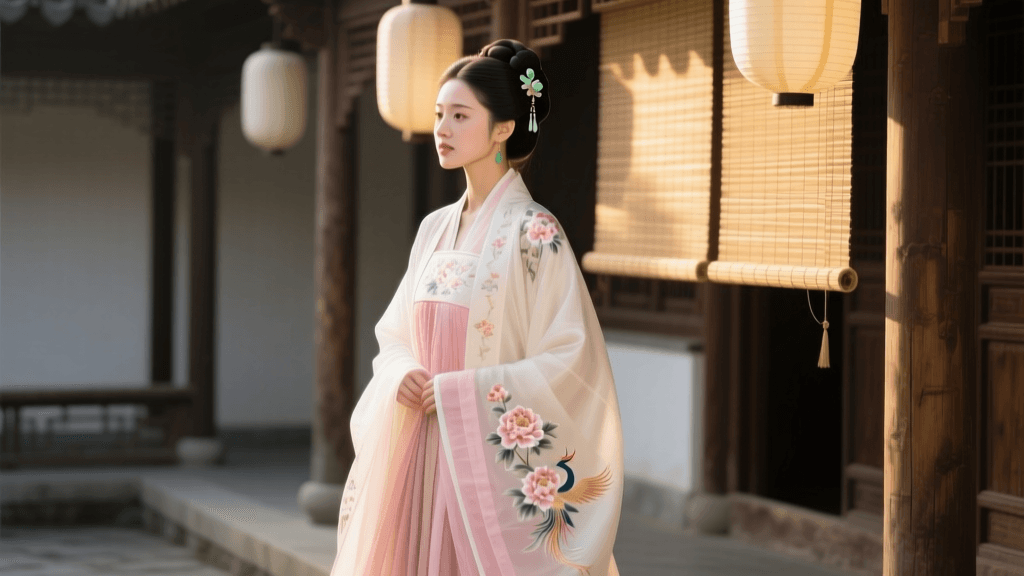
The global fashion landscape in 2026 has been irrevocably shaped by the Xin Zhongshi (新中式) movement. Translating literally to 'New Chinese Style,' this aesthetic is no longer a fleeting trend or a niche subculture confined to historical reenactments. It has matured into a sophisticated, globally recognized design philosophy that seamlessly merges millennia-old Chinese sartorial heritage with the rigorous demands of modern, everyday utility. For the contemporary wardrobe, Xin Zhongshi offers a masterclass in balancing cultural reverence with avant-garde minimalism.
Building a Xin Zhongshi capsule wardrobe in 2026 requires moving beyond costume-like replicas. Today's iteration focuses on 'daily wearability' (日常化), utilizing cutting-edge textile innovations, sustainable peace silks, and architectural tailoring. Whether you are navigating a corporate boardroom in London, attending an evening gala in Shanghai, or exploring a weekend market in Kyoto, this guide will help you curate a versatile, authentic, and thoroughly modern New Chinese Style capsule.
The 2026 Philosophy: Heritage Meets Utility
The foundational structures of these garments trace back to the Ming and Qing dynasties, where complex silk weaving and pleating techniques were first codified. As documented by The Metropolitan Museum of Art, the historical mastery of Chinese silk and structural garment design laid the groundwork for centuries of sartorial evolution. However, the 2026 Xin Zhongshi movement actively deconstructs these historical blueprints.
Modern designers are stripping away the cumbersome layers, delicate dry-clean-only restrictions, and restrictive silhouettes of antiquity. In their place, we see hidden magnetic closures, weather-proof memory pleats, and bio-washed brocades. Institutions like the Victoria and Albert Museum have long documented the intricate material culture of Asian textiles, providing the historical context that modern designers now reinterpret through a lens of sustainability and ergonomic comfort. The result is clothing that honors its lineage while functioning flawlessly in a fast-paced, modern environment.
Core Garments of the Modern Capsule
To build a functional Xin Zhongshi wardrobe, you must invest in foundational pieces that bridge the gap between Eastern heritage and Western tailoring. Here are the three non-negotiable garments for 2026.
1. The Modernized Mamianqun (Horse-Face Skirt)
The Mamianqun is the undisputed anchor of the New Chinese Style wardrobe. Characterized by its flat front and back panels with heavily pleated sides, the traditional skirt was often heavy and prone to losing its pleats in humid weather. The 2026 iterations, however, are marvels of textile engineering.
- Memory-Shape Pleats: Modern studios utilize heat-set memory polyester-silk blends that retain razor-sharp pleats even after being crushed in a suitcase or exposed to heavy rain.
- Hidden Utility: Designers have integrated deep, invisible side-seam pockets and replaced traditional side-ties with adjustable, hidden elasticated waistbands and magnetic snap closures for effortless wear.
- Styling Note: Pair a midi-length, charcoal-grey Mamianqun with a simple white ribbed turtleneck and a structured leather belt for a look that is equally appropriate for a gallery opening or a high-end dinner.
2. The Pankou-Knot Structured Blazer
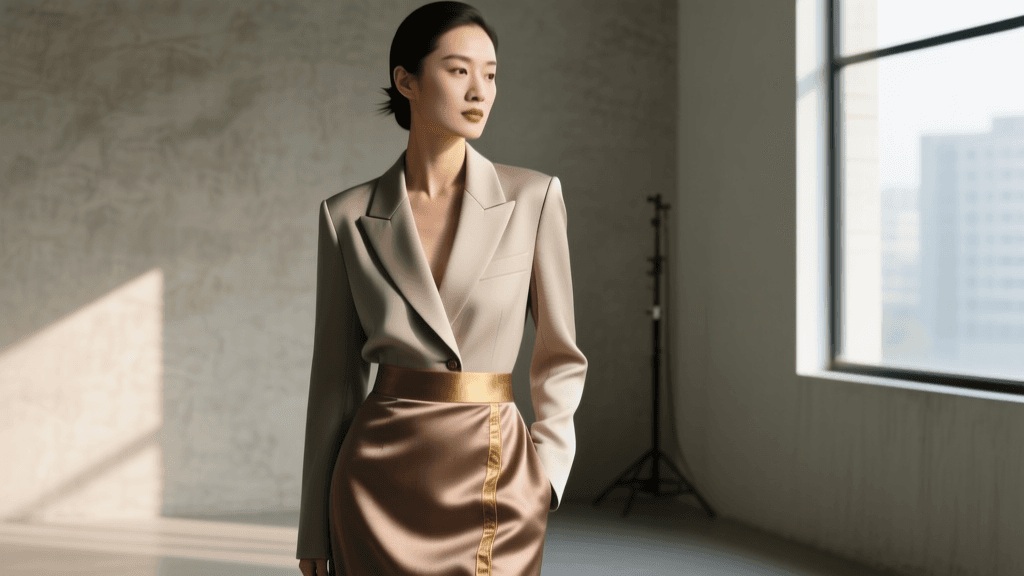
The Pankou (盘扣) knot is a traditional fastening technique made from intricately woven silk cords. In 2026, the Pankou has been elevated from a delicate dress fastener to a bold, structural hardware element on Western-style blazers and trench coats.
Look for blazers cut from matte-finished Italian wool or vegan leather, where standard horn buttons are replaced by oversized, metal-core Pankou knots. The metal core ensures the knots never fray or lose their shape, while the wool silhouette provides a sharp, authoritative shoulder line. This piece is the ultimate 'power jacket,' signaling cultural fluency and sartorial confidence in any professional setting.
3. Washable Song Brocade Outerwear
Song brocade (宋锦), known for its intricate geometric patterns and rich luster, was historically reserved for ceremonial robes and was notoriously difficult to clean. The breakthrough in 2026 is the widespread adoption of bio-enzyme washed Song brocades and Ahimsa (peace) silk blends. These fabrics offer the breathtaking depth of traditional jacquard weaving but possess the soft, drapey hand-feel of washed linen. You can now purchase unlined, kimono-sleeve duster coats in washable Song brocade that can be gently machine-washed on a cold cycle, completely democratizing luxury heritage textiles.
Fabric Innovations: Traditional vs. 2026 Textiles
Understanding the material evolution is crucial for making informed purchasing decisions. The table below contrasts historical textile limitations with the technological advancements driving the 2026 market.
| Feature | Traditional Heritage Textile | 2026 Xin Zhongshi Innovation |
|---|---|---|
| Song Brocade | Dry-clean only, heavy, stiff drape, delicate threads | Bio-washed, water-resistant nano-coating, lightweight, fluid drape |
| Mamianqun Pleats | Hand-pressed, loses shape in humidity/rain | Heat-set memory pleats, weather-proof, permanent retention |
| Pankou Knots | Hand-woven silk, frays over time, difficult to fasten | Metal-core wrapped, magnetic snap backing for instant closure |
| Xiangyunsha Silk | River-mud dyed, requires extensive airing out, cracks if folded | Conditioned mud-dye processes, supple, foldable without cracking |
| Dyes | Natural plant dyes (prone to rapid fading and bleeding) | Eco-friendly reactive botanical dyes, color-fast, UV resistant |
Styling Rules for the Global Wardrobe
Mastering Xin Zhongshi is about restraint and balance. Over-accessorizing or wearing full traditional ensembles in a modern context can look costumey. Follow the 1:2 Ratio Rule to achieve effortless sophistication.
The 1:2 Ratio Rule
For every one traditional Xin Zhongshi garment, anchor it with two distinctly modern, minimalist pieces.
- Example 1: A traditional floral Song brocade camisole (1) paired with a sleek, oversized charcoal blazer and wide-leg tailored trousers (2).
- Example 2: A modernized Mamianqun skirt (1) paired with a crisp white poplin button-down shirt and minimalist white leather sneakers (2).
Footwear Pairings
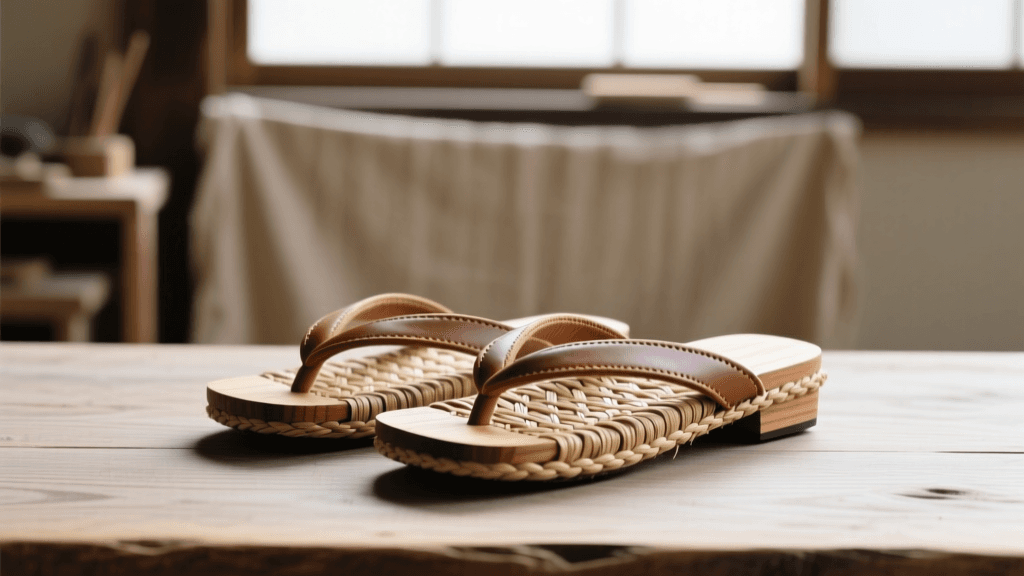
Footwear can make or break a Xin Zhongshi outfit. Avoid traditional embroidered cloth shoes for daily wear, as they lack arch support and weather resistance. Instead, opt for:
- Chunky Loafers: A heavy-soled leather loafer grounds the ethereal drape of a silk skirt, adding a touch of 2026 grunge-minimalism.
- Pointed-Toe Mary Janes: Offers a subtle nod to vintage silhouettes while maintaining a sharp, modern profile.
- Minimalist Sneakers: Clean, unbranded leather sneakers in monochromatic tones bridge the gap between heritage skirts and urban streetwear.
Seasonal Adaptations
A true capsule wardrobe must function year-round. The Xin Zhongshi movement has developed specific textile responses to seasonal shifts.
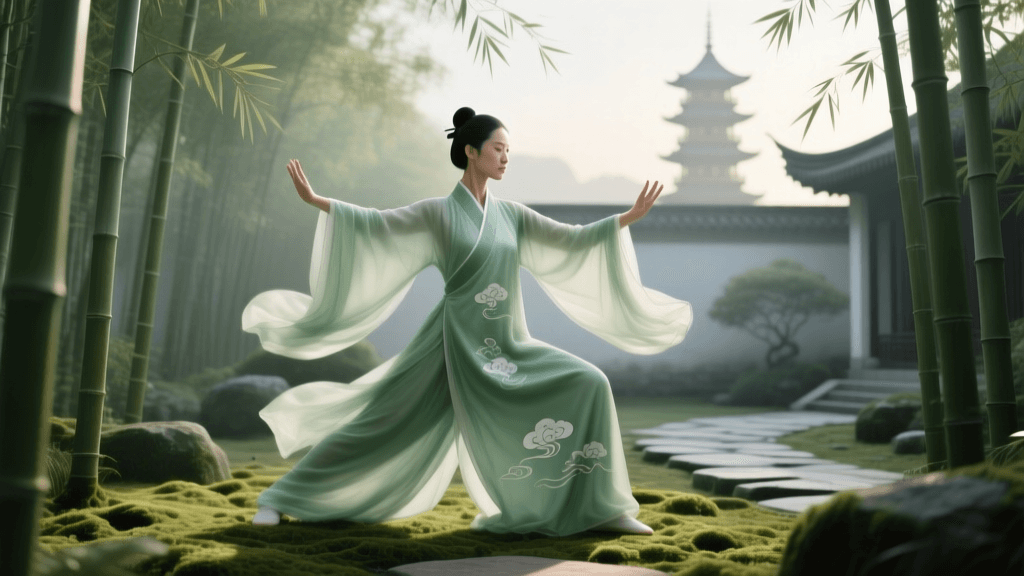
Summer: Look for garments made from Xiangyunsha (香云纱), a legendary silk dyed with yam juice and river mud. In 2026, conditioned Xiangyunsha is breathable, naturally cooling, and possesses a unique, paper-like rustle that is highly prized in high-humidity climates. Opt for loose-fitting, unlined Tang-style camp-collar shirts.
Winter: Seek out wool-blend brocades and velvet-lined Mamianqun. Designers are now integrating Thinsulate or sustainable alpaca linings into traditional silhouettes, allowing you to maintain a sleek profile without sacrificing warmth in freezing urban environments.
Maintenance and Care for Modern Heritage
While 2026 textiles are vastly more durable than their ancestors, proper care ensures longevity.
- Washing: Always use a pH-neutral, enzyme-free detergent for bio-washed silks. Wash on a delicate cold cycle inside a mesh laundry bag to protect the Pankou knots and metallic threads.
- Drying: Never tumble dry Xin Zhongshi garments. Lay them flat on a drying rack away from direct sunlight to prevent UV damage to the botanical dyes.
- Storage: Store Mamianqun skirts hanging by their waistbands to allow the memory pleats to rest vertically. For heavy winter brocades, use breathable cotton garment bags and include natural cedar blocks to deter moths without the harsh chemicals of traditional mothballs.
Conclusion
The Xin Zhongshi movement in 2026 represents the pinnacle of cultural fashion evolution. It is a dialogue between the ancient weavers of the Silk Road and the modern, global citizen. By investing in modernized Mamianqun, structured Pankou blazers, and innovative washable brocades, you are not just buying clothes; you are curating a wearable archive of Asian heritage, optimized for the realities of contemporary life. Build your capsule with intention, respect the craftsmanship, and wear your heritage with unapologetic modern flair.