The 2026 Hanfu Guide for Weddings, Births & Ancestral Rites
The Renaissance of Ceremonial Hanfu in 2026
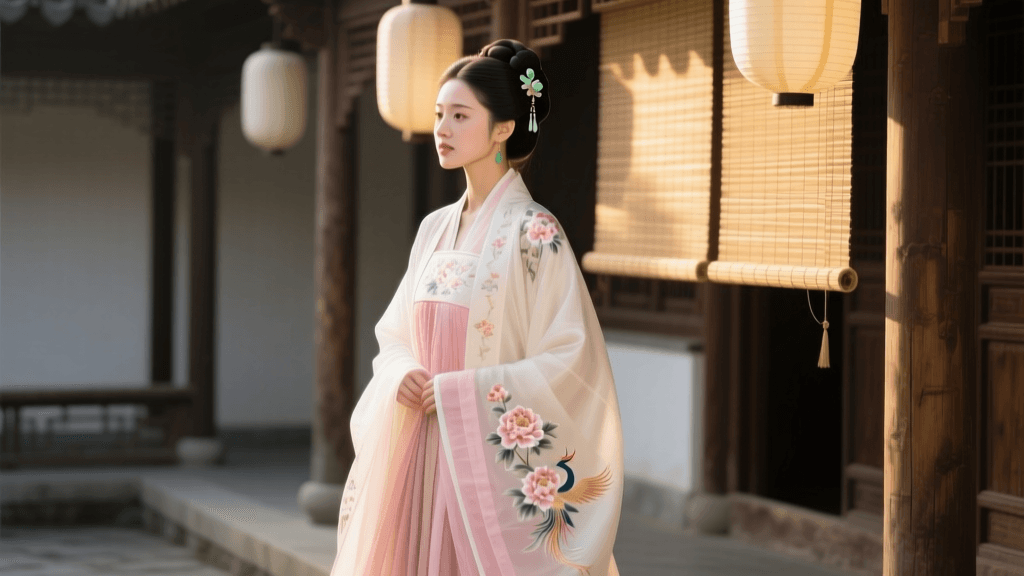
The traditional Chinese garment, Hanfu, has transcended its status as a niche hobby to become a cornerstone of family milestones. In 2026, wearing Hanfu for birth celebrations, weddings, and ancestral rites is no longer just a fashion statement; it is a profound reconnection with ancestral heritage. According to cultural anthropologists, the integration of traditional dress into life-cycle ceremonies reflects a broader societal shift toward cultural confidence. As reported by Sixth Tone, the modern Hanfu movement is deeply intertwined with a search for identity and ritual in a rapidly modernizing world. Today, families are meticulously selecting garments that align with historical accuracy while accommodating the practicalities of modern ceremonies.
Wedding Hanfu (Hunli): Uniting Two Families
The wedding ceremony, or Hunli, is perhaps the most visually spectacular application of ceremonial Hanfu. In 2026, couples are overwhelmingly favoring two distinct historical silhouettes: the opulent Ming Dynasty Fengguan Xiapei (Phoenix Crown and Cloud Shoulder) and the flowing Tang Dynasty Da Xiu Shan (Large-Sleeved Shirt). The Ming style is characterized by its structured dignity, featuring heavily embroidered Ao (jackets) and pleated Mamianqun (horse-face skirts). Brides often wear intricate gold-threaded phoenix motifs, while grooms don dark, formal Yuanlingpao (round-collar robes) with official-style rank badges and jade pendants (Yüpei) to weigh down the hems and encourage a dignified gait.
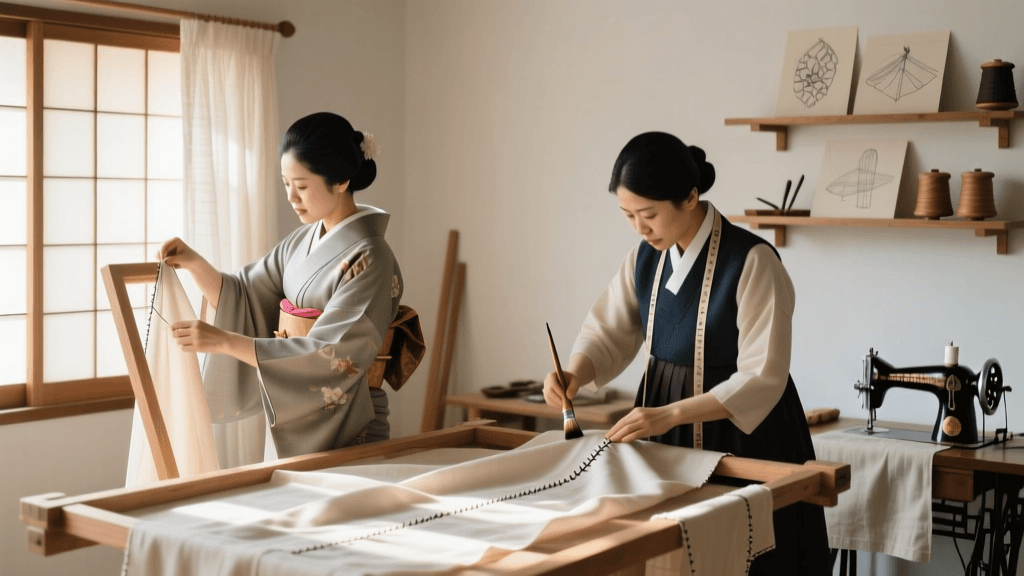
Conversely, the Tang style offers a romantic, ethereal aesthetic with expansive sleeves and lightweight, layered silks in vibrant crimson and gold. In 2026, the bespoke Hanfu market has embraced technological advancements to perfect these complex silhouettes. Ateliers in Suzhou and Hangzhou now utilize AI-assisted 3D body scanning to ensure the intricate layering of wedding Hanfu fits flawlessly without restricting movement during the traditional tea ceremonies. A high-quality, bespoke Ming-style wedding set crafted from authentic Xiangyunsha (gambiered Canton gauze) or heavy mulberry silk typically ranges from 8,000 to 25,000 RMB ($1,100 to $3,500 USD), depending on the density of the hand-embroidery. Premium rental markets have also upgraded their inventories, offering museum-grade replicas for approximately 1,500 RMB per day.
Birth and Coming-of-Age: Welcoming New Generations
The arrival of a child and their subsequent coming-of-age are marked by deeply symbolic garments. For a baby’s first birthday, known as Zhuazhou (the grabbing ritual), infants are dressed in auspicious red cotton or soft silk Baoyi (wrapping clothes). In 2026, there is a massive demand for organic, naturally dyed fabrics to protect sensitive infant skin. Artisans are reviving ancient eco-friendly dyeing techniques, utilizing plant-based madder root for vibrant reds and persimmon juice for warm, water-resistant ambers. Traditional tiger-head shoes and hats remain essential accessories, believed to ward off evil spirits and bless the child with courage and vitality.
The Jili (for women) and Guanli (for men) mark the transition into adulthood, typically celebrated around the ages of 15 to 20. These ceremonies require the Shenyi (deep robe), a one-piece garment that wraps the body modestly, symbolizing moral integrity and the embrace of adult responsibilities. Young women receive their first ornamental hairpins (Ji), while young men are presented with formal caps (Guan). In 2026, many universities and cultural centers host collective coming-of-age ceremonies, requiring standardized, elegant Shenyi in subdued, scholarly colors like jade green, navy, or ivory, woven from breathable ramie or high-grade linen.
Ancestral Rites (Jisi): Honoring the Past
Honoring ancestors, or Jisi, demands the utmost respect, a sentiment reflected in the solemnity of the garments worn. Unlike the vibrant joy of weddings, ancestral rites call for restraint and humility. The preferred garments are the formal Duan Shenyi or a plain, unadorned Zhijiao (straight-collar robe). Colors are strictly muted: deep indigo, charcoal, dark brown, or unbleached natural linen. The focus is entirely on the purity of the fabric and the precision of the cut rather than ostentatious decoration.
Men and women alike wear their hair neatly bound, avoiding flashy accessories or heavy makeup. The garments must be immaculately clean and pressed, as presenting oneself sloppily before the ancestors is considered a severe breach of filial piety. As noted in cultural analyses by the BBC, the revival of these ancient rituals provides a grounding sense of continuity for modern families navigating the complexities of the 21st century. Seasonal variations also play a role; lighter, unlined linen robes are preferred for the spring Qingming festival, while heavy, quilted dark silk is utilized for Winter Solstice rites.
2026 Ceremonial Hanfu Guide: Styles, Fabrics, and Costs
| Ceremony | Primary Garment Style | Recommended Fabric | 2026 Est. Cost (USD) | Key Symbolism |
|---|---|---|---|---|
| Wedding (Hunli) | Ming Ao Qun / Tang Da Xiu Shan | Heavy Mulberry Silk, Xiangyunsha | $1,100 - $3,500 | Union, prosperity, cosmic balance |
| Birth (Zhuazhou) | Infant Baoyi, Tiger Shoes | Organic Cotton, Persimmon-dyed Silk | $80 - $250 | Protection, health, courage |
| Coming-of-Age (Jili/Guanli) | Shenyi (Deep Robe) | Woven Ramie, Fine Linen | $150 - $400 | Maturity, moral integrity |
| Ancestral Rites (Jisi) | Duan Shenyi, Zhijiao | Unbleached Linen, Dark Silk | $200 - $600 | Reverence, filial piety, solemnity |
Sourcing and Etiquette for the Modern Wearer
The most critical rule of wearing Hanfu, regardless of the ceremony, is Jiaoling Youren—the left side of the collar must always cross over the right. The reverse is strictly reserved for the deceased and is a grave faux pas in any living ceremony. Furthermore, the posture and gait must reflect the garment. The weight of the silk and the structure of the robes naturally encourage a slower, more deliberate way of moving, fostering a mindful presence that enhances the spiritual weight of the ceremony.
Finding authentic ceremonial Hanfu in 2026 requires navigating a market flooded with fast-fashion 'Hanfu elements' (Han Yuansu). For true family ceremonies, buyers must seek out specialized Hanfu Kaogu (Hanfu archaeology) brands that base their patterns on excavated textiles and historical texts. Reputable brands provide detailed provenance for their designs, citing specific tomb findings or historical paintings. When investing in a ceremonial piece, always verify the fiber content; true ceremonial Hanfu relies on natural fibers like silk, linen, and ramie, which drape correctly and hold historical authenticity, unlike modern synthetic blends.
Conclusion: Weaving Heritage into Modern Life
As we move through 2026, the integration of Hanfu into family ceremonies represents a beautiful synthesis of past and present. Whether it is the joyous reds of a newborn's first birthday, the majestic silks of a wedding day, or the solemn linens of an ancestral tribute, these garments do more than clothe the body—they wrap the wearer in centuries of cultural philosophy. By choosing historically informed, sustainably crafted Hanfu, modern families are ensuring that these profound traditions continue to evolve and thrive for generations to come.