The Ultimate Hanfu Fabric Guide: Linen, Brocade, Gauze & Organza
The Foundation of Hanfu: Why Fabric Matters
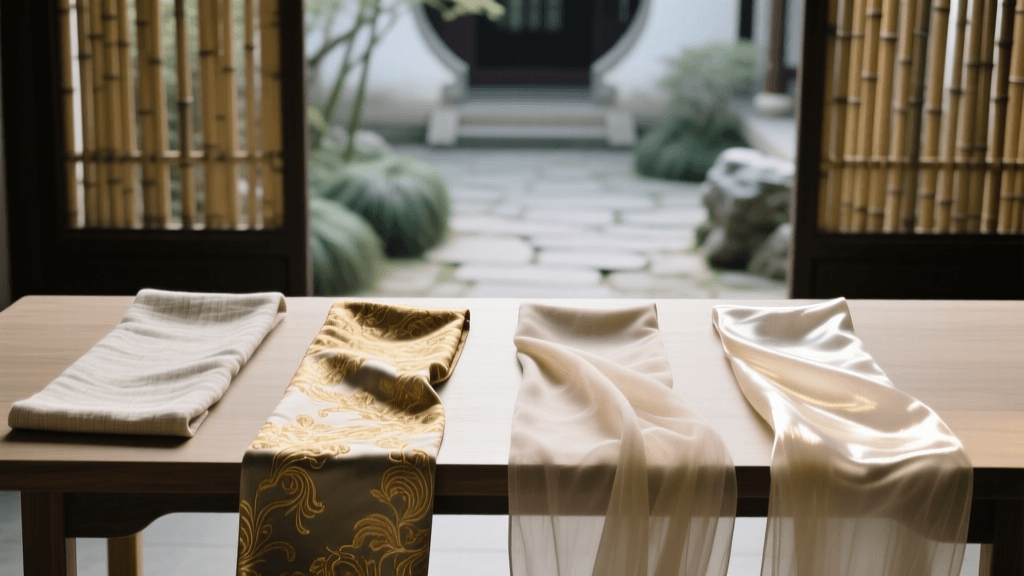
When exploring the rich tapestry of traditional Chinese clothing, the silhouette, drape, and historical accuracy of a Hanfu garment are dictated primarily by its fabric. Unlike modern Western fashion, which often relies on tailoring and darts to create shape, traditional Hanfu relies on the natural properties of textiles—such as the flow of silk, the stiffness of brocade, or the breathability of linen—to achieve its iconic aesthetic. Whether you are a seasoned Hanfu enthusiast or a newcomer looking to purchase your first set, understanding the nuances of Hanfu fabrics is essential. This comprehensive guide breaks down four foundational textiles used in both historical and modern Hanfu: linen, brocade, gauze, and organza, providing actionable advice on styling, seasonal wear, and garment care.
Linen (麻 - Má): The Breathable Summer Staple
Historically, linen and ramie (a nettle family plant native to East Asia) were the primary fabrics for commoners, scholars, and officials during the sweltering summer months. While silk was reserved for the elite and formal occasions, linen offered unparalleled breathability and moisture-wicking properties. In the context of the Song Dynasty (960–1279 CE), the aesthetic shifted toward minimalism, restraint, and natural elegance. Linen perfectly complements this philosophy.
Modern Hanfu Applications
Today, linen is highly prized for daily-wear Hanfu, particularly for Song Dynasty styles like the Beizi (a long, open-front coat) and Baidi (pleated skirts). Pure linen has a beautifully crisp drape that softens over time, but it is notorious for wrinkling. For a more practical modern wardrobe, look for linen-cotton or linen-viscose blends. These blends retain the matte texture and breathability of pure linen while offering better wrinkle resistance and a softer hand-feel.
- Best For: Summer daily wear, scholar aesthetics, Song Dynasty Beizi, and lightweight trousers.
- Cost Estimate: $30 to $70 for a basic linen-cotton Hanfu set.
- Styling Tip: Embrace the natural wrinkles of linen as part of the 'effortless scholar' aesthetic. Pair a muted, earth-toned linen Beizi with a simple cotton camisole and wide-leg linen pants for a comfortable, historically inspired summer outfit.
Brocade (织锦 - Zhījǐn): Opulence and Structure
Brocade represents the pinnacle of traditional Chinese textile artistry. Characterized by its complex jacquard weaving technique, brocade features raised, intricate patterns that are woven directly into the fabric rather than printed or embroidered on top. Historical variants like Shu brocade (from Sichuan), Song brocade (from Suzhou), and Yun brocade (from Nanjing) are so culturally significant that Chinese sericulture and silk craftsmanship have been officially recognized on the UNESCO Intangible Cultural Heritage list.
Modern Hanfu Applications
Because of its density, weight, and structural integrity, brocade is the undisputed king of autumn and winter Hanfu. It is the premier fabric choice for the Ming Dynasty (1368–1644 CE) Mamianqun (horse-face skirt). The heavy drape of brocade ensures that the deep, flat pleats of the Mamianqun swing beautifully with movement and fall perfectly back into place when standing still. It is also used for formal Ao (lined jackets) and ceremonial outerwear.
- Best For: Winter wear, formal events, weddings, Ming Dynasty Mamianqun, and structured jackets.
- Cost Estimate: $80 to $250+ depending on the silk content and complexity of the weave.
- Styling Tip: Because brocade is visually loud and heavy, balance your outfit by pairing a heavily patterned brocade Mamianqun with a solid-colored, soft silk or cotton top. Avoid wearing brocade in high heat, as the dense weave traps body heat.
Gauze (罗/纱 - Luó/Shā): Ethereal Elegance
Silk gauze encompasses a variety of sheer, lightweight weaves, most notably Luo (a complex leno weave with structural gaps) and Sha (a finer, plain weave). Historically, these fabrics were highly sought after along ancient trade routes, facilitating a massive cross-cultural exchange of luxury goods as documented in National Geographic's Silk Road archives. In the Tang Dynasty (618–907 CE), gauze was used to create voluminous, translucent layers that gave the wearer an ethereal, almost divine appearance.
Modern Hanfu Applications
Gauze is the ultimate summer luxury fabric. It is incredibly soft, lightweight, and offers a fluid, water-like drape that synthetic fabrics simply cannot replicate. It is most commonly used for Pibo (long, flowing stoles draped over the arms), sheer summer Ruqun (blouse and skirt sets), and delicate outer layers. However, pure silk gauze is delicate, prone to snagging, and requires meticulous care.
- Best For: Summer formal wear, Tang and Song Dynasty layering, Pibo stoles, and sheer outer garments.
- Cost Estimate: $60 to $150 for pure silk gauze garments.
- Styling Tip: Utilize the layering technique. Wear a solid-colored, opaque inner layer (like a silk camisole or cotton lining) beneath a sheer gauze outer robe to create depth and visual interest while maintaining modesty.
Organza (欧根纱 - Ōugēnshā): The Modern Structural Hero
While not a historical textile in its modern synthetic form, organza has become a foundational fabric in the contemporary Hanfu revival. Originally made from silk, modern organza is typically woven from synthetic fibers like polyester or nylon, giving it a distinct stiffness, crispness, and slight sheen. It bridges the gap between historical aesthetics and modern practicality, offering volume and structure at a fraction of the cost of pure silk.
Modern Hanfu Applications
Organza is heavily utilized in modern Hanfu manufacturing to provide structural support. It is frequently used as an under-layer for skirts to give them a bell-like volume without the heavy weight of brocade. It is also popular for large, structured sleeves (such as the Tang Dynasty Daxiushan) where the fabric needs to hold its shape rather than collapse against the body. Furthermore, its durability and ease of care make it a favorite for beginners and festival-goers.
- Best For: Adding volume to skirts, structured large sleeves, festival wear, and budget-friendly Hanfu sets.
- Cost Estimate: $25 to $60 for synthetic organza Hanfu sets.
- Styling Tip: If you find organza too stiff or 'costume-like' for daily wear, look for 'silk organza' or 'soft organza' blends, which offer a more natural drape while retaining some structural integrity.
Comprehensive Fabric Comparison Chart
To help you make informed purchasing decisions, refer to the comparison table below detailing the core characteristics of these four essential Hanfu fabrics.
| Fabric | Primary Season | Drape & Texture | Best Hanfu Styles | Care Level |
|---|---|---|---|---|
| Linen / Ramie | Summer | Crisp, matte, breathable, wrinkles easily | Song Beizi, Baidi, daily wear | Medium (Machine washable on gentle) |
| Brocade | Autumn / Winter | Heavy, structured, rich, warm | Ming Mamianqun, formal Ao | High (Dry clean only) |
| Silk Gauze | Summer | Sheer, fluid, soft, delicate | Tang Ruqun, Pibo, sheer layers | High (Hand wash, no wringing) |
| Organza | Spring / Autumn | Stiff, sheer, holds shape, durable | Daxiushan, voluminous skirts | Low (Machine washable, quick dry) |
Practical Buying and Care Guide
Investing in traditional garments requires proper maintenance to ensure their longevity. Different fabrics demand vastly different care routines. For those interested in viewing historical textile examples to inform their purchases, the Victoria and Albert Museum's Asian Collections offer incredible digital archives of historical Chinese weaving and embroidery techniques.
Washing and Drying
- Linen: Wash in cold or lukewarm water using a mild detergent. Avoid high-heat tumble drying, as this will cause severe shrinkage and set wrinkles permanently. Line dry in the shade.
- Brocade: Never wash brocade at home. The complex jacquard weave can easily distort, and the metallic or silk threads may tarnish or bleed. Always take brocade garments to a professional dry cleaner experienced with traditional textiles.
- Gauze: Hand wash gently in cold water with a pH-neutral silk detergent. Do not wring or twist the fabric, as this will break the delicate silk fibers. Roll the garment in a clean, dry towel to press out excess water, then lay flat to dry away from direct sunlight.
- Organza: Synthetic organza is highly durable and can usually be machine washed on a gentle cycle in a mesh laundry bag. It dries quickly and rarely requires ironing.
Ironing and Storage
Always use a pressing cloth when ironing Hanfu fabrics. For linen, use a medium-to-high heat setting with steam while the garment is still slightly damp. For silk gauze, use the lowest heat setting and avoid steam, which can leave water spots. Brocade should generally not be ironed; if necessary, use a very low heat setting with a thick pressing cloth on the reverse side. Store heavy brocade skirts flat or folded with acid-free tissue paper to prevent permanent crease lines in the pleats. Hang lightweight linen and gauze garments on padded hangers to maintain their shape without stretching the shoulders.
Conclusion
Choosing the right fabric is the most critical step in building an authentic, comfortable, and visually stunning Hanfu wardrobe. Whether you prefer the scholarly simplicity of summer linen, the regal weight of winter brocade, the ethereal flow of silk gauze, or the modern practicality of organza, understanding these textiles allows you to honor the rich heritage of traditional Chinese clothing while adapting it beautifully for contemporary life.