Kyoto Wafuku & Seoul Hanbok Tailoring Workshops 2026 Guide
The Resurgence of Heritage Tailoring in 2026
As the global fashion industry continues to grapple with the environmental and cultural costs of mass production, 2026 has seen an unprecedented surge in demand for heritage garment-making skills. Discerning students, designers, and cultural preservationists are increasingly traveling to East Asia to study traditional construction techniques firsthand. According to recent cultural tourism data, immersive workshops focusing on traditional Asian garments have seen a 40 percent increase in international enrollment this year. The appeal lies not just in creating a beautiful garment, but in mastering the slow, meditative, and highly engineered processes that define Asian sartorial history.
For those looking to move beyond basic sewing and into the realm of master craftsmanship, two distinct paths stand out: the straight-line precision of Japanese Wafuku (kimono) tailoring in Kyoto, and the elegant, curved structural engineering of Korean Hanbok construction in Seoul. This guide explores the premier workshops available in 2026, the specific techniques you will learn, and the logistical details required to embark on this transformative educational journey.
Kyoto Wafuku Masterclasses: The Art of the Straight Line
Learning to construct a traditional kimono is an exercise in geometric precision and profound respect for textiles. Unlike Western tailoring, which relies on cutting fabric into complex curved shapes to fit the body, Wafuku construction utilizes a single, standardized bolt of fabric known as a 'tanmono'. This bolt is typically 36 centimeters wide and 12 meters long. The genius of the kimono lies in the fact that it is cut almost entirely in straight lines, allowing the garment to be completely disassembled, cleaned, re-dyed, and resewn without wasting a single thread.
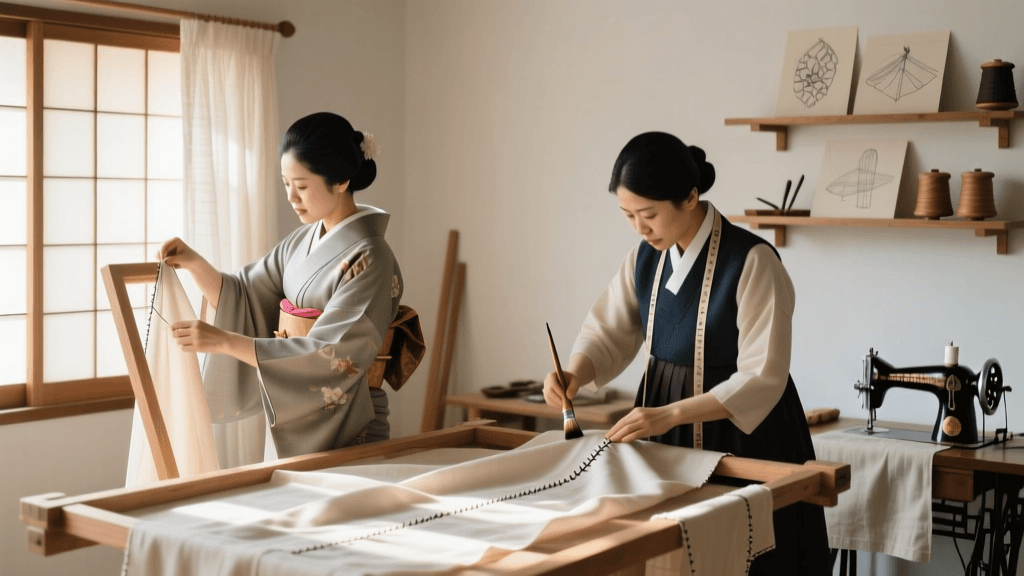
In 2026, the most sought-after workshops are located in Kyoto's Nishijin district, the historic heart of Japanese textile weaving. Institutions such as the traditional ateliers affiliated with the Japan National Tourism Organization network offer intensive two-to-four-week masterclasses tailored for international students. These seminars focus heavily on the 'shitsuke' (hand-basting) and 'kuke' (blind stitching) techniques that ensure the kimono's seams are virtually invisible from the outside.
Key Techniques Covered in Kyoto Workshops
- Tanmono Layout and Cutting: Learning how to map out the body panels, sleeves, and collar on a continuous bolt of silk or cotton, ensuring pattern continuity across seams.
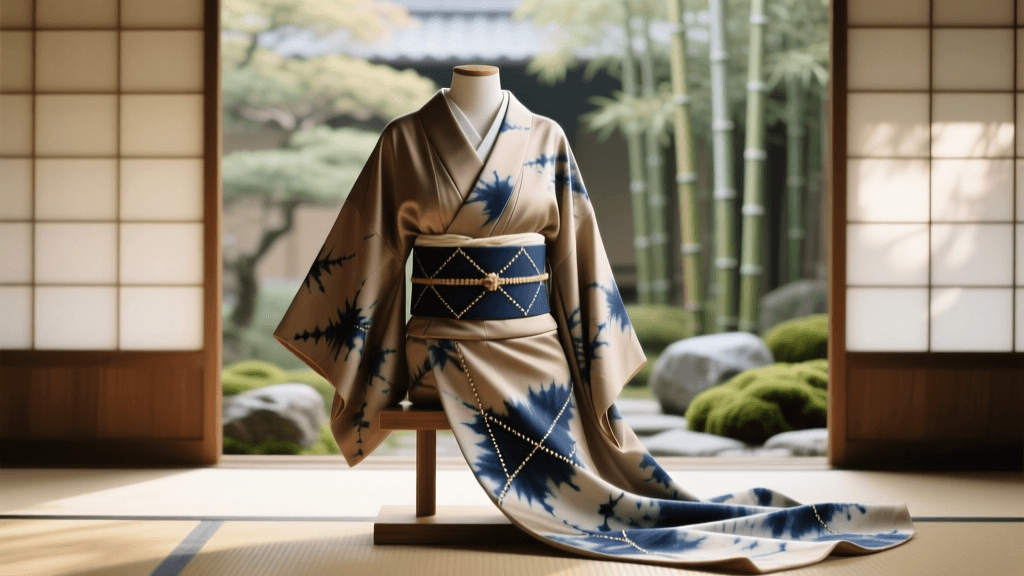
- Shibori and Yuzen Integration: Seminars often include modules on how to handle pre-dyed textiles, ensuring that intricate Yuzen motifs align perfectly at the 'okumi' (front overlap) and sleeve seams.
- Hera-tsuke (Spatula Creasing): Using a traditional bamboo 'herabera' to create razor-sharp, permanent creases along the hem and collar without the use of modern irons.
- Nunome (Hand-Sewn Seams): Mastering the microscopic running stitches that provide structural integrity while allowing the silk to breathe and drape naturally.
The Victoria and Albert Museum notes that the kimono is a masterclass in sustainable design, a concept heavily emphasized in 2026 curricula. Students are taught that the garment's value is intrinsically tied to its ability to be endlessly recycled and passed down through generations, a philosophy that resonates deeply with modern eco-conscious designers.
Seoul Hanbok Seminars: Mastering Curves and Volume
While the kimono relies on straight lines and flat draping, the traditional Korean Hanbok is a triumph of curved seams, structural volume, and vibrant color blocking. The silhouette of the Hanbok, characterized by the full, bell-shaped 'chima' (skirt) and the short, tailored 'jeogori' (jacket), requires an entirely different approach to pattern drafting and sewing.
In Seoul, the Bukchon Hanok Village and the Jongno district host the premier Hanbok advancement centers and private ateliers. In 2026, the South Korean government has heavily subsidized cultural preservation seminars, making high-level Hanbok tailoring workshops more accessible to foreign students than ever before. These programs emphasize the architectural elements of the garment, particularly the 'baerae'—the distinctive, elegant curve of the jeogori's underarm and sleeve line, which mimics the sloping roof of a traditional Hanok house.
Core Curriculum in Seoul Hanbok Ateliers
- The Baerae Curve: Drafting and sewing the complex underarm curve that allows for freedom of movement while maintaining the jacket's structured, rounded silhouette.
- Dongjeong Construction: Crafting the stiff, white paper-lined collar that frames the face and provides a sharp visual contrast to the vibrant silk of the jeogori.
- Chima Pleating and Gathering: Techniques for calculating and executing the precise micro-pleats at the waistband of the skirt, ensuring the fabric flares out perfectly without adding bulk to the waist.
- Goreum Tying and Proportion: The 'goreum' is the long, flowing ribbon used to tie the jacket. Workshops teach the mathematical proportions required for the modern standard goreum, as well as the historical tying methods used in the Joseon dynasty.
As recognized by the UNESCO Intangible Cultural Heritage frameworks, traditional craftsmanship is vital for maintaining community identity. Seoul's workshops heavily integrate the cultural philosophy of 'Obangsaek' (the traditional Korean color spectrum based on the five elements), teaching students how to select and pair silk hues that carry deep symbolic meaning.
2026 Workshop Comparison: Kyoto vs. Seoul
Choosing between a Wafuku and Hanbok workshop depends on your design goals, budget, and the specific construction philosophies you wish to absorb. Below is a comparative overview of the standard 2026 immersive programs.
| Feature | Kyoto Wafuku Masterclass | Seoul Hanbok Seminar |
|---|---|---|
| Primary Focus | Straight-line cutting, zero-waste geometry, hand-basting | Curved structural seams, volume drafting, color theory |
| Average Duration | 3 to 4 Weeks | 2 to 3 Weeks |
| 2026 Tuition (USD) | $2,800 - $3,500 | $1,600 - $2,200 |
| Materials Provided | Cotton practice tanmono; silk requires extra fee | Full synthetic or blended silk kit included in tuition |
| Language Support | English interpreters available (must book in advance) | Integrated English/Korean bilingual instructors |
| Final Output | One fully hand-sewn casual kimono (Yukata or Hitoe) | One complete Hanbok set (Jeogori and Chima/Baji) |
Logistics, Visas, and Toolkits for the 2026 Student
Embarking on an international tailoring seminar requires careful logistical planning. For Japan, students enrolling in programs longer than 90 days must apply for the Cultural Activities Visa. However, most intensive 2026 masterclasses are designed to fit within a 30-day window, allowing international visitors to participate under the standard Temporary Visitor status, provided the primary purpose is cultural enrichment rather than paid employment. Always verify the latest immigration guidelines on the official Japanese Ministry of Foreign Affairs portal before booking your flights.
South Korea offers the C-3 short-term visa for cultural and artistic pursuits, which easily covers the standard two-week Hanbok intensives. Seoul's ateliers are highly accustomed to hosting foreign designers and often provide visa invitation letters upon receipt of your tuition deposit.
Building Your Traditional Toolkit
While workshops provide heavy machinery and large cutting tables, serious students are expected to bring or purchase their own hand tools. In 2026, the most highly recommended toolkit for Asian garment making includes:
- Japanese Hasami (Shears): Traditional carbon-steel fabric shears, specifically the 'Shozaburo' brand, which remain the gold standard for cutting silk without fraying.
- Korean Garutdae: A specialized, extra-long wooden measuring ruler used for drafting the sweeping lines of the Hanbok chima.
- Kakehari (Tension Clamp): A small wooden clamp used in Wafuku sewing to hold the fabric taut on the floor or low table, essential for maintaining perfectly straight running stitches.
- Silk Pins and Thimbles: Ultra-fine glass-head pins to prevent snagging delicate brocades, paired with a traditional leather or brass palm thimble for pushing needles through multiple layers of stiff collar interfacing.
Conclusion: Investing in Sartorial Heritage
The decision to study traditional Asian garment making in 2026 is an investment in the future of sustainable, meaningful fashion. Whether you find yourself kneeling on the tatami mats of a Kyoto atelier, meticulously basting a silk kimono sleeve, or sitting at a drafting table in Seoul, perfecting the sweeping curve of a Hanbok baerae, you are participating in a living history. These workshops offer more than just technical skills; they provide a profound philosophical shift in how we view our clothing, our textiles, and our relationship with the hands that make them. By mastering these ancient techniques, modern designers and enthusiasts ensure that the breathtaking legacy of Asian sartorial traditions continues to evolve and inspire for generations to come.