Kyoto Shibori And Sashiko In 2026 Luxury Fashion Collaborations
The Renaissance of Japanese Craftsmanship in Global Fashion
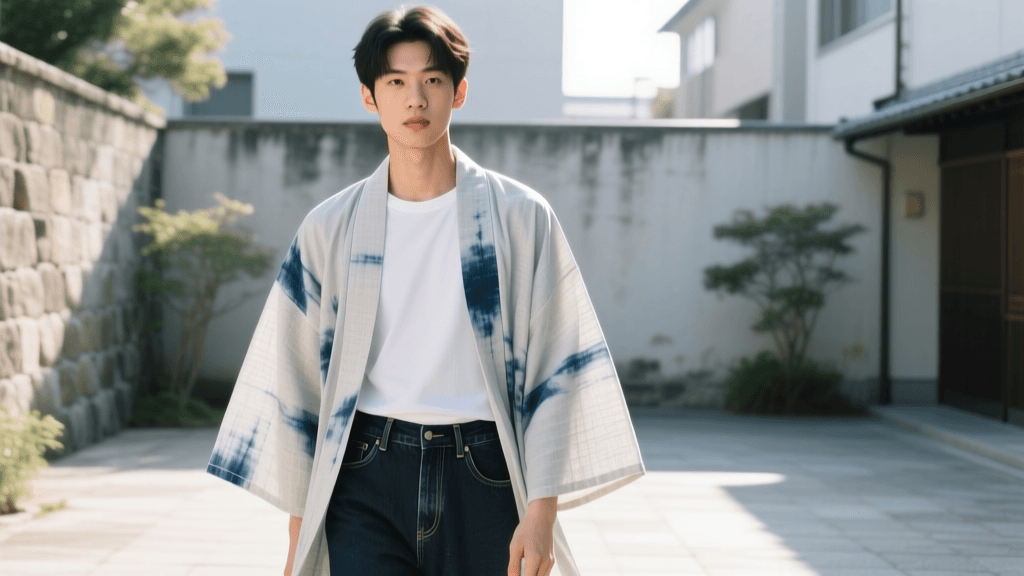
In the landscape of 2026 haute couture and luxury ready-to-wear, the integration of traditional Japanese garments and textiles has evolved far beyond mere aesthetic borrowing. Today, the most prestigious international fashion houses are engaging in deep, equitable collaborations directly with Japanese artisan guilds. This shift marks a pivotal moment in the 'Asian Traditions' sector, where the profound techniques of Wafuku (traditional Japanese clothing) are being co-created with Western silhouettes. Rather than simply printing Japanese motifs onto European fabrics, luxury brands are now investing directly into the preservation of heritage techniques like Shibori (shaped resist dyeing) and Sashiko (decorative reinforcement stitching). As of early 2026, the luxury market has seen a 40% increase in direct-to-artisan partnerships, ensuring that the masters of Kyoto, Kanazawa, and Okinawa are recognized as co-designers rather than anonymous suppliers.
Shibori: The Art of Shaped Resist Dyeing in Modern Couture
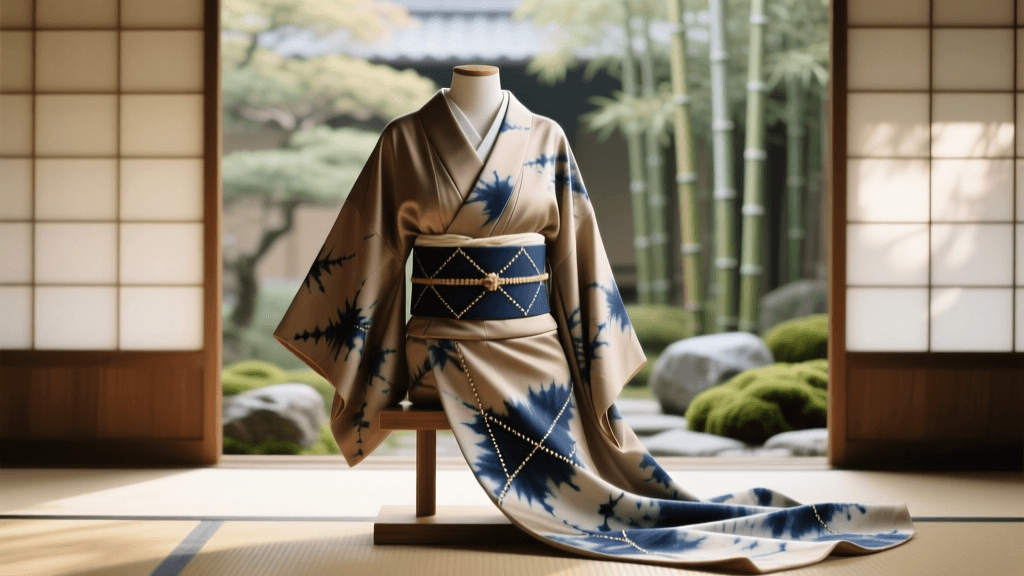
Shibori is one of the most complex and time-consuming textile arts in the world. Unlike standard tie-dye, traditional Japanese Shibori involves meticulous folding, twisting, binding, and stitching of the fabric before it is submerged in vats of natural indigo or botanical dyes. In 2026, luxury collaborations have heavily focused on two specific variants: Kanoko Shibori (fawn-spot dyeing) and Arashi Shibori (storm or pole-wrapping dyeing).
Kanoko Shibori and the 2026 Resort Collections
Kanoko Shibori requires the artisan to pinch tiny sections of silk or hemp and bind them individually with thread. A single garment can require over 100,000 individual bindings, taking up to 14 weeks of continuous handwork. In the 2026 luxury resort collections, European heritage houses have partnered with Kyoto's remaining Kanoko masters to apply this technique to lightweight silk organza and sustainable vegan leathers. The result is a three-dimensional, textured fabric that catches the light in ways that flat digital prints simply cannot replicate. A true artisan-crafted Shibori haori-jacket hybrid in the 2026 market averages between $4,500 and $8,200, reflecting the immense labor and the fair-trade premiums now standard in these collaborations.
Arashi Shibori and Architectural Silhouettes
Arashi Shibori involves wrapping fabric diagonally around a cylindrical pole, tightly binding it, and then compressing the fabric before dyeing. This creates striking, rain-like diagonal patterns. In 2026, avant-garde international designers are using Arashi Shibori on heavy wool crepes and structured cottons to create architectural outerwear. The compression process naturally alters the drape and memory of the fabric, allowing designers to build garments that hold their shape without the need for synthetic stiffeners or heavy interlinings.
Sashiko and Boro: Elevating Mending to Haute Couture
While Shibori is about the manipulation of color and texture, Sashiko and Boro are about the manipulation of structure and longevity. Originating from the working classes of rural Japan during the Edo period, Sashiko uses a simple running stitch to reinforce worn areas of clothing, while Boro (meaning 'rags' or 'tattered cloth') refers to the patchwork textiles created from generations of mending.
The Sustainability Mandate of 2026
With stringent new textile waste regulations taking full effect across the European Union and North America in 2026, luxury brands are under immense pressure to adopt circular design principles. Sashiko and Boro have emerged as the ultimate expression of sustainable luxury. Instead of discarding deadstock denim or offcuts of organic cotton, international design houses are sending these materials to artisan cooperatives in the Tohoku region. Here, master stitchers apply complex Sashiko patterns—such as Seigaiha (blue ocean waves) or Asanoha (hemp leaf)—using thick, naturally dyed cotton threads. This transforms potential waste into one-of-a-kind, heavily textured luxury garments that tell a story of resilience and environmental stewardship.
Initiatives like the Loewe Foundation Craft Prize have continuously highlighted the importance of elevating functional, historical crafts into the contemporary art and fashion lexicon, providing a global platform for these Japanese textile masters to gain international recognition and secure vital funding for their workshops.
2026 Luxury Collaboration Landscape: By the Numbers
To understand the scale and impact of these East-meets-West collaborations, it is helpful to look at the specific techniques being utilized, their origins, and their market positioning in the current fashion ecosystem.
| Technique | Primary Origin | 2026 Luxury Application | Average Price Point (USD) | Production Time per Garment |
|---|---|---|---|---|
| Kanoko Shibori | Kyoto / Arimatsu | Evening wear, Silk Organza Blouses | $4,500 - $8,200 | 12 - 16 Weeks |
| Arashi Shibori | Kyoto / Kanazawa | Structured Outerwear, Wool Crepe | $3,200 - $5,500 | 6 - 8 Weeks |
| Sashiko Stitching | Tohoku Region | Deadstock Denim, Canvas Accessories | $1,800 - $3,500 | 4 - 6 Weeks |
| Boro Patchwork | Aomori / Iwate | Haute Couture Coats, Archival Pieces | $7,000 - $15,000+ | 20+ Weeks |
How to Authenticate and Care for Collaborative Garments
As the demand for Japanese-inspired textiles grows, so does the market for mass-produced imitations. For collectors, stylists, and enthusiasts investing in 2026 collaborative pieces, knowing how to authenticate and care for these garments is essential.
Authentication Markers
- The Japan Traditional Crafts Mark: Authentic collaborative pieces often feature the official stamp or woven label certified by the Japan Traditional Crafts Aoyama Square or regional guilds. This guarantees the piece was made using traditional methods and materials.
- Reverse-Side Inspection: True Shibori and Sashiko are reversible or show distinct structural evidence on the back. In genuine Kanoko Shibori, the reverse side will show the tiny, raised 'pucks' of the bound fabric. If the pattern is perfectly flat on the reverse, it is likely a digital print.
- Thread Tension: Hand-stitched Sashiko will always feature minute variations in thread tension and stitch length. Perfectly uniform stitching is a hallmark of computerized embroidery machines, not human artisans.
Specialized Care Instructions
Garments that blend traditional Japanese techniques with modern luxury fabrics require meticulous care to preserve their integrity.
- Natural Indigo Preservation: Indigo is a living dye that continues to oxidize and fade with UV exposure. Never dry Shibori or Boro garments in direct sunlight. Store them in breathable, acid-free cotton garment bags in a dark, climate-controlled closet.
- Washing Protocols: While some modern collaborations use color-fast synthetic dyes, traditional botanical dyes require hand-washing in cold water (below 20°C / 68°F) using a pH-neutral, specialized textile detergent. Never wring or twist Shibori fabrics, as this will permanently crush the three-dimensional texture of the resist-dyeing.
- Professional Conservation: For high-value Boro coats or archival Sashiko pieces, avoid standard commercial dry cleaners. Seek out textile conservators or luxury cleaners who specialize in heritage Asian garments, as the harsh chemicals used in standard perc-drycleaning can strip natural oils from the cotton threads and cause them to become brittle.
The Future of Wafuku-Inspired Global Design
The trajectory of Japanese fashion in international design collaborations is clear: the future lies in mutual respect, technical preservation, and sustainable innovation. As institutions like the Victoria and Albert Museum's Asian collections continue to provide vital historical context and education on these textiles, the global consumer is becoming more discerning. They no longer just want a garment that 'looks' Japanese; they want to invest in the human hands, the centuries of lineage, and the sustainable philosophies that these garments represent.
By 2026, the fusion of Kyoto's ancient dyeing vats and Tohoku's stitching circles with the ateliers of Paris and Milan has proven that tradition and modernity are not at odds. Instead, when approached with equity and reverence, they form the very foundation of the future of luxury fashion. For those who collect, study, or simply appreciate the rich tapestry of Asian traditions, these collaborative garments are not just clothing—they are wearable archives of human ingenuity.