Hanfu Milestones 2026: Ji Li & Guan Li Ceremony Style Guide
The Hanfu movement has evolved dramatically over the last decade, transitioning from a niche internet subculture into a mainstream cultural pillar by 2026. Today, traditional Chinese garments are no longer reserved solely for historical reenactments or casual streetwear; they have become the definitive attire for major life milestones. Among the most profound of these milestones are the traditional coming-of-age ceremonies: the Ji Li (hair-pinning ceremony for women) and the Guan Li (capping ceremony for men). As families in 2026 increasingly seek to reconnect with their heritage, understanding the sartorial requirements, modern adaptations, and sourcing logistics for these rites is essential.
The Cultural Resurgence of Milestone Rites in 2026
In ancient China, coming-of-age ceremonies marked the transition from childhood to adulthood, carrying heavy social and familial responsibilities. The Ji Li was traditionally held for women at the age of 15 (or upon engagement), while the Guan Li was held for men at 20. According to cultural historians, the modern revival of these rites is deeply intertwined with the broader Xin Zhongshi (new Chinese style) movement, which emphasizes integrating traditional aesthetics into contemporary life. As reported by BBC News in their extensive coverage of the Hanfu revival, millions of young adults now view donning traditional garments as a vital expression of cultural identity, transforming ancient rites into highly curated, deeply personal milestone events.
Ji Li: Women’s Hair-Pinning Ceremony Attire
The Ji Li is a visually stunning ceremony centered around the changing of a young woman's hairstyle and the addition of ceremonial hairpins. The ritual traditionally involves three distinct outfit changes, known as San Jia (three additions), each symbolizing a deeper level of maturity and responsibility.
The Three Additions (San Jia)
- First Addition (Childhood Transition): The ceremony begins with a simple, modest Ming Dynasty Aoqun (a lined jacket paired with a pleated skirt). In 2026, pastel-colored silk-cotton blends are highly popular for this stage, offering breathability and comfort during the lengthy morning preparations.
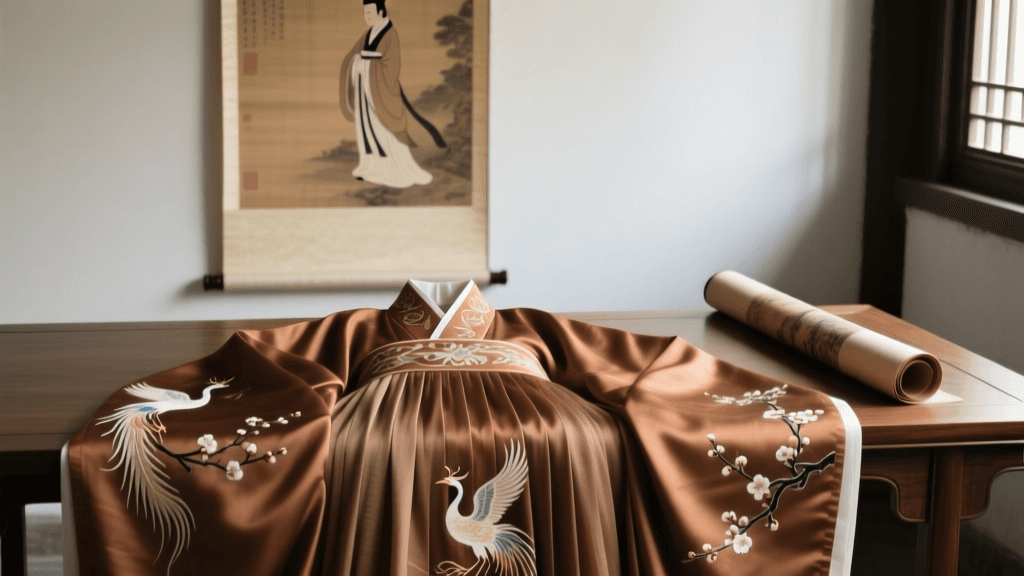
- Second Addition (Youth and Grace): The second outfit typically features a Beizi (a long, open-front coat) over a Mamianqun (horse-face skirt). Modern 2026 interpretations often utilize stain-resistant Xiangyunsha (gambiered gauze) fabrics, which provide a rich, dark luster and structural drape without the heavy maintenance of traditional raw silks.
- Third Addition (Adulthood and Formality): The final and most formal outfit is a grand ceremonial robe, often a Daoshan or a heavily embroidered Ming-style round-collar robe. This is paired with an elaborate hairpinning using jade, gold, or modern 3D-printed resin replicas of traditional kingfisher feather (diancui) accessories.
Guan Li: Men’s Capping Ceremony Attire
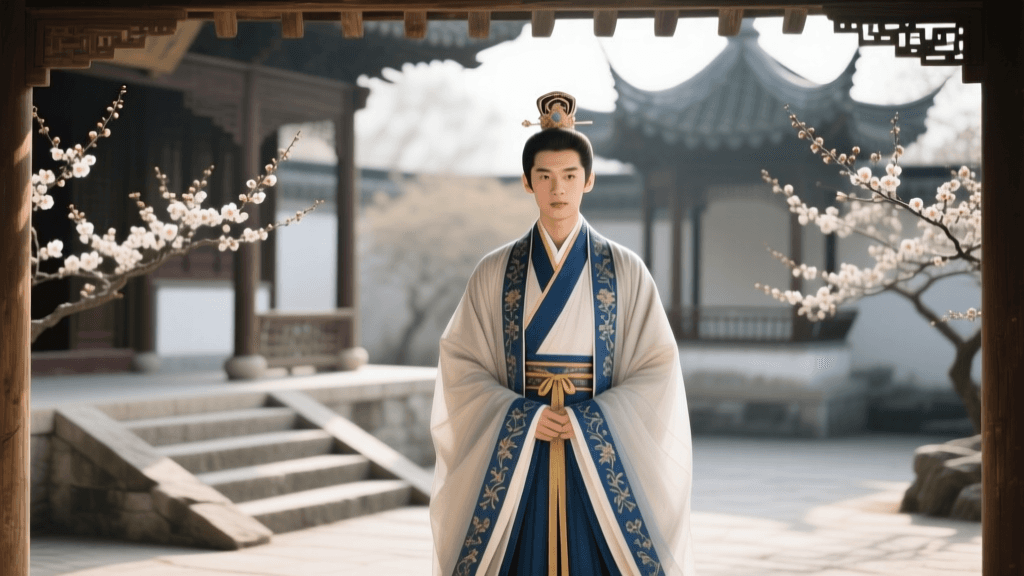
The Guan Li mirrors the Ji Li in its three-stage progression but focuses on the addition of headwear and the donning of increasingly formal outer robes. For men navigating the 2026 Hanfu market, the Ming Dynasty aesthetic remains the gold standard for formal milestone events due to its structured tailoring and commanding presence.
Structuring the Male Ceremonial Wardrobe
- First Capping: The initiate wears a simple scholar's robe (Shenyi) and a basic cloth cap. This represents the pursuit of knowledge and moral grounding.
- Second Capping: The attire shifts to a martial or leather cap paired with a Daopao (a structured, side-slit robe). In 2026, tailors are incorporating hidden modern structural boning into the collars and shoulders of the Daopao to ensure a crisp, upright silhouette that photographs beautifully in modern studio settings.
- Third Capping: The final stage features the Wangjin (a traditional hair net) and a formal court-style hat, paired with a luxurious Ming Dynasty round-collar robe (Yuanlingpao) adorned with rank-badge motifs. The Metropolitan Museum of Art notes in its Ming Dynasty textile archives that these robes historically utilized complex weave structures to denote status, a tradition that modern master weavers are meticulously recreating using automated jacquard looms combined with hand-finished embroidery.
2026 Sourcing and Budgeting Guide
Procuring authentic, high-quality Hanfu for milestone ceremonies requires careful planning. The 2026 market offers a spectrum of options, from mass-produced Xin Zhongshi adaptations to bespoke, historically accurate commissions. Below is a comparative guide to help families budget and plan for these milestone garments.
| Garment Category | 2026 Avg. Price (USD) | Lead Time | Best For |
|---|---|---|---|
| Ready-to-Wear Ming Aoqun (Ji Li) | $150 - $350 | 1 - 3 Weeks | Budget-conscious families; first addition stage. |
| Custom Xiangyunsha Mamianqun | $400 - $800 | 4 - 8 Weeks | Second addition stage; outdoor summer ceremonies. |
| Bespoke Ming Yuanlingpao (Guan Li) | $900 - $2,500 | 2 - 4 Months | Final capping stage; formal indoor venue rites. |
| Artisan Diancui Hair Accessories | $200 - $1,200 | 1 - 2 Months | Ji Li hair-pinning focal points; heirloom keepsakes. |
When sourcing silk for these garments, it is vital to prioritize authenticity and ethical production. The traditional methods of creating these textiles are globally recognized; in fact, UNESCO officially inscribed Chinese sericulture and silk craftsmanship on the Representative List of the Intangible Cultural Heritage of Humanity. Supporting ateliers that utilize these heritage weaving techniques ensures that your milestone garment is not just clothing, but a piece of living history.
Wedding Milestones: The Fengguan Xiapei Standard
Beyond coming-of-age rites, no discussion of Hanfu milestones is complete without addressing the traditional Chinese wedding. In 2026, the Ming Dynasty Fengguan Xiapei (Phoenix Crown and Cloud Shoulders) remains the undisputed pinnacle of bridal Hanfu. The Fengguan is an intricately crafted crown featuring dragons and phoenixes, while the Xiapei consists of heavy, embroidered stoles draped over the shoulders.
A major innovation in 2026 wedding Hanfu is the ergonomic redesign of the Fengguan. Historically, these crowns were incredibly heavy, causing significant neck strain for brides during multi-hour tea ceremonies. Modern 2026 artisans now utilize aerospace-grade aluminum and lightweight resin frameworks, meticulously wrapped in traditional silk threads, velvet, and ethically sourced synthetic kingfisher feathers. This reduces the crown's weight by up to 60% while maintaining the exact historical silhouette and opulent visual impact required for milestone photography and ceremonial processions.
Ceremonial Protocol and Modern Adaptations
Executing a Ji Li or Guan Li in the modern era requires balancing historical protocol with contemporary logistics. A standard 2026 ceremony follows a streamlined three-act structure:
- The Welcoming and Purification: The initiate washes their hands and face, symbolizing the cleansing of childhood impurities. This is often done in a designated courtyard or modern event space with a traditional bronze basin.
- The Additions (The Core Rite): The host (usually a respected elder or parent) formally presents the garments and hairpins/caps. A designated Zanli (assistant) helps the initiate change behind a decorative folding screen between each of the three additions.
- The Naming and Vows: The elder bestows a Zi (courtesy name) upon the initiate, marking their entry into adult society. The initiate then bows to parents, teachers, and guests, reciting vows of responsibility and filial piety.
Conclusion: Honoring the Past, Dressing the Future
As we navigate 2026, the integration of Hanfu into life milestones represents a profound cultural renaissance. Whether it is the delicate insertion of a jade hairpin during a Ji Li, the solemn placement of a scholar's cap during a Guan Li, or the sweeping embroidery of a Ming-style wedding robe, these garments serve as tangible bridges between ancestors and descendants. By understanding the historical context, leveraging modern textile innovations, and respecting the ceremonial protocols, today's generation can ensure that these milestone rites remain vibrant, meaningful, and breathtakingly beautiful for centuries to come.