Kimono vs Hanbok vs Cheongsam: 2026 Styling Guide
The Architectural Blueprint: Silhouette and Construction
As we navigate the global fashion landscape in 2026, the appreciation for Asian traditional garments has evolved from mere historical preservation to active, contemporary integration. The kimono of Japan, the hanbok of Korea, and the cheongsam (qipao) of China represent three distinct philosophies of tailoring, spatial awareness, and cultural expression. Understanding the structural anatomy of these garments is essential for anyone looking to wear, collect, or style them for modern events.
The Kimono: Flat Pattern Mastery
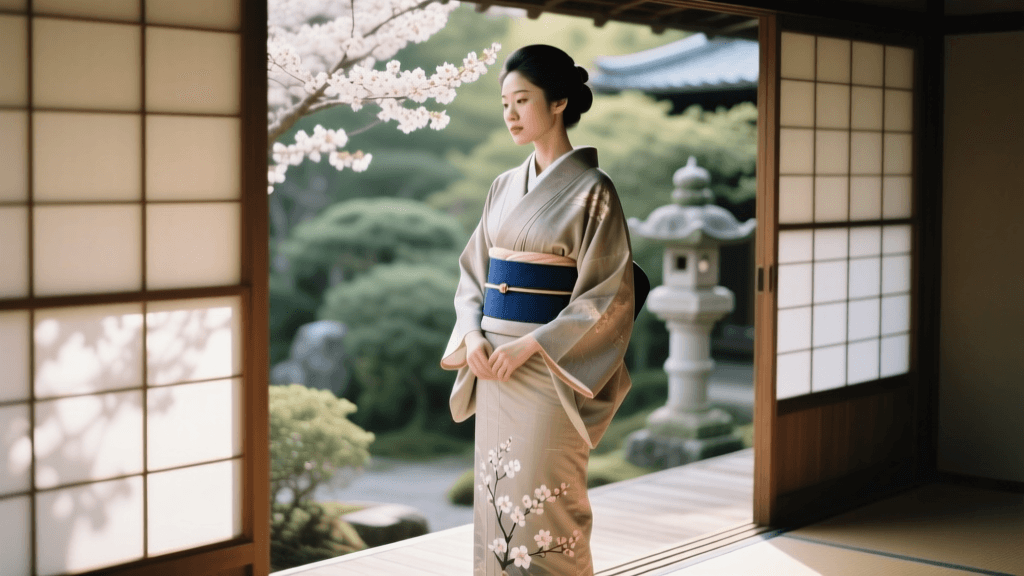
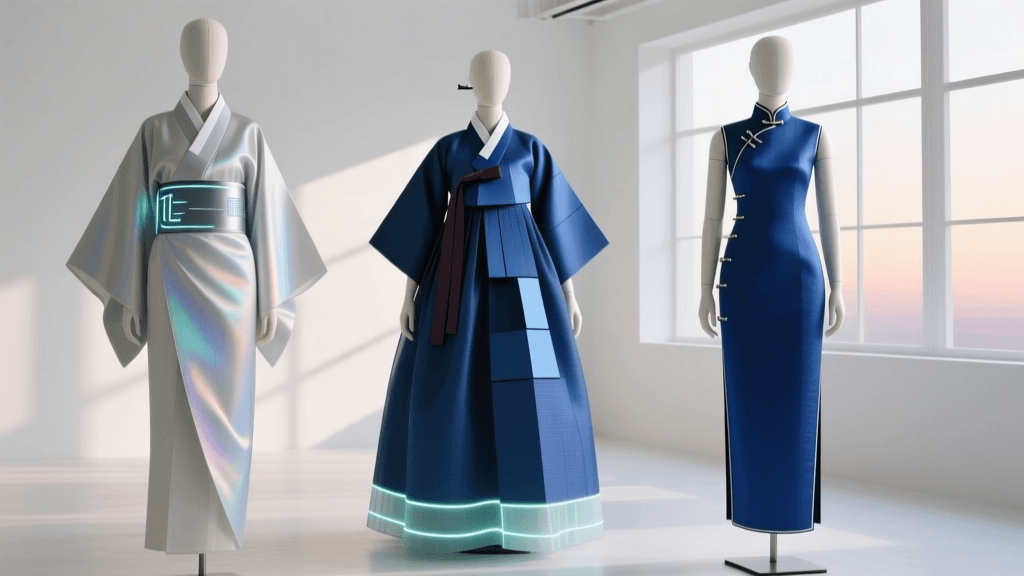
The Japanese kimono is a triumph of zero-waste, flat-pattern construction. Unlike Western tailoring, which relies on darts and curved seams to map the body's contours, the kimono is constructed from straight, rectangular panels of fabric. This creates a T-shaped silhouette that wraps around the body, secured by an obi (sash). In 2026, the standard fukuro obi remains approximately 30 centimeters wide and 4.5 meters long, requiring specialized tying techniques that serve as the garment's primary structural anchor. The beauty of the kimono lies in its surface design and the way it creates a uniform, columnar silhouette regardless of the wearer's body shape.
The Hanbok: Volumetric Elegance
In stark contrast, the Korean hanbok relies on the interplay between tight, structured upper garments and expansive, volumetric lower garments. The traditional women's hanbok consists of the jeogori (a short, cropped jacket) and the chima (a high-waisted, full wrap skirt). The 2026 iterations of the hanbok maintain the iconic curved lines of the baerae (the curved underside of the sleeve) and the goreum (the long, flowing ribbon used to fasten the jacket). The silhouette is designed to obscure the lower body entirely while drawing attention to the grace of the upper torso and the fluid movement of the skirt.
The Cheongsam: Form-Fitting Precision
The Chinese cheongsam, or qipao, represents the fusion of traditional Manchu dress with 1920s Western tailoring, a hybridization that continues to evolve today. By 2026, the modern cheongsam is defined by its form-fitting silhouette, achieved through precise bust, waist, and hip darts. Signature elements include the stiff mandarin collar (yuanling), the asymmetrical front flap, and the intricate pankou (frog button) closures. Side slits, typically extending to the mid-thigh or knee, are not merely decorative; they are structural necessities that allow for mobility in a garment cut close to the skin.
2026 Textile Innovations: Beyond Traditional Silk
The year 2026 has ushered in a renaissance of sustainable and high-performance textiles within traditional Asian garment making. While heavy silk brocades and crisp linens remain popular for ceremonial wear, everyday and semi-formal iterations now utilize advanced materials.
- Lotus Silk & Bamboo Blends: For summer hanboks and lightweight kimonos, lotus fiber woven with bamboo silk provides exceptional breathability and natural moisture-wicking properties, replacing synthetic linings.
- Climate-Regulating Weaves: The 2026 global textile summits highlighted the integration of phase-change materials (PCMs) into the inner linings of winter cheongsams and kimono nagajuban (undergarments), ensuring wearers remain comfortable during long indoor galas.
- Vegan Leather Accents: Traditional pankou knots on cheongsams and the decorative collar accents on modern hanboks are increasingly crafted from lab-grown mycelium leather, offering the durability of animal hide with a fraction of the environmental footprint.
For authoritative insights into the historical foundations that make these modern innovations possible, the Victoria and Albert Museum's comprehensive guide to kimono construction remains an essential resource for understanding how flat-cut textiles behave in motion.
Comprehensive Comparison Matrix
To visualize the distinct characteristics of these three iconic garments, refer to the 2026 styling and construction matrix below:
| Feature | Kimono (Japan) | Hanbok (Korea) | Cheongsam (China) |
|---|---|---|---|
| Primary Silhouette | Columnar, T-shaped, flat | Bell-shaped, voluminous skirt | Form-fitting, darted, hourglass |
| Fastening Method | Obi sash (tied, no buttons) | Goreum (tied ribbon) | Pankou (frog knots) / hidden zippers |
| Tailoring Technique | Zero-waste rectangular panels | Curved sleeves, gathered waist | Western darts, princess seams |
| Standard Neckline | Crossed V-neck (left over right) | Shallow V-neck with white collar | Stiff, high mandarin collar |
| 2026 Trend Focus | Upcycled vintage silks, modular obis | Sheer organza overlays, pastel gradients | Cut-out collars, stretch-silk blends |
Modern Styling Protocols for 2026 Events
Wearing traditional garments in 2026 is less about strict historical reenactment and more about cultural fluency and personal styling. Here is how to approach styling these garments for contemporary events.
Styling the Kimono
For formal evening events, the homongi (visiting kimono) remains the gold standard. In 2026, stylists recommend pairing subtly patterned, muted-tone kimonos with minimalist, architectural obi knots. Footwear has seen a massive update: traditional zori sandals are now frequently crafted with ergonomic, memory-foam footbeds and sleek, metallic vegan-leather straps. When wearing a kimono, the eri (collar) must be crossed left over right; crossing right over left is strictly reserved for dressing the deceased and is a major cultural faux pas.
Styling the Hanbok
The modern hanbok (saenghwal hanbok) has become a staple for fashion-forward attendees at weddings and cultural festivals. The 2026 trend heavily favors sheer, layered chima skirts made from silk organza, allowing for a ethereal, floating effect. For corporate or semi-formal settings, the jeogori is often tailored slightly longer and paired with high-waisted, wide-leg trousers instead of the traditional skirt, creating a powerful, gender-neutral silhouette. For deep historical context on how these garments evolved from royal courts to modern streets, Korea.net's official cultural archive on hanbok evolution provides invaluable background.
Styling the Cheongsam
The cheongsam is inherently glamorous and requires precise undergarments; seamless, high-waisted shaping briefs are essential in 2026 to maintain the garment's sleek lines without visible panty lines. While floor-length cheongsams are reserved for black-tie galas, the midi-length, sleeveless cheongsam crafted from stretch-silk crepe is the go-to for upscale dinners and gallery openings. Accessorize with drop earrings and a structured micro-clutch; avoid heavy necklaces, as they compete visually with the intricate mandarin collar and frog closures.
Bespoke Tailoring and Investment Costs in 2026
Investing in a traditional garment is a significant financial and emotional commitment. The market in 2026 offers clear tiers of quality, from ready-to-wear fast-fashion adaptations to master-crafted bespoke pieces.
- Kimono: A brand-new, bespoke silk kimono with hand-painted yuzen dyeing and a custom-woven obi will typically range from $4,500 to $12,000 in 2026. However, the thriving vintage kimono market offers exquisite, pre-1990s silk garments for $150 to $600, though they often require professional cleaning and recutting to fit modern heights.
- Hanbok: Custom-tailored silk hanboks, featuring hand-embroidered geumbak (gold leaf) motifs on the sleeves, generally cost between $1,200 and $3,500. Modern, everyday hanboks made from high-quality cotton-linen blends can be sourced for $250 to $500.
- Cheongsam: True bespoke cheongsams require at least three fittings to perfect the dart placements and side slits. In 2026, a master tailor in Shanghai or Hong Kong will charge between $2,000 and $6,000 for a fully lined, hand-finished silk qipao. The Metropolitan Museum of Art's Heilbrunn Timeline on Chinese dress highlights the immense historical craftsmanship that justifies this level of artisanal investment.
Final Thoughts on Cultural Appreciation
As global fashion continues to blur borders, the kimono, hanbok, and cheongsam stand as testaments to the enduring power of cultural heritage. Whether you are drawn to the structural purity of the kimono, the sweeping romance of the hanbok, or the sculpted elegance of the cheongsam, understanding their distinct anatomies and 2026 textile innovations ensures you wear these masterpieces with the respect, knowledge, and style they deserve.