Dressing the Divine: A Guide to Mythology-Inspired Hanfu
The Intersection of Chinese Mythology and Traditional Garments
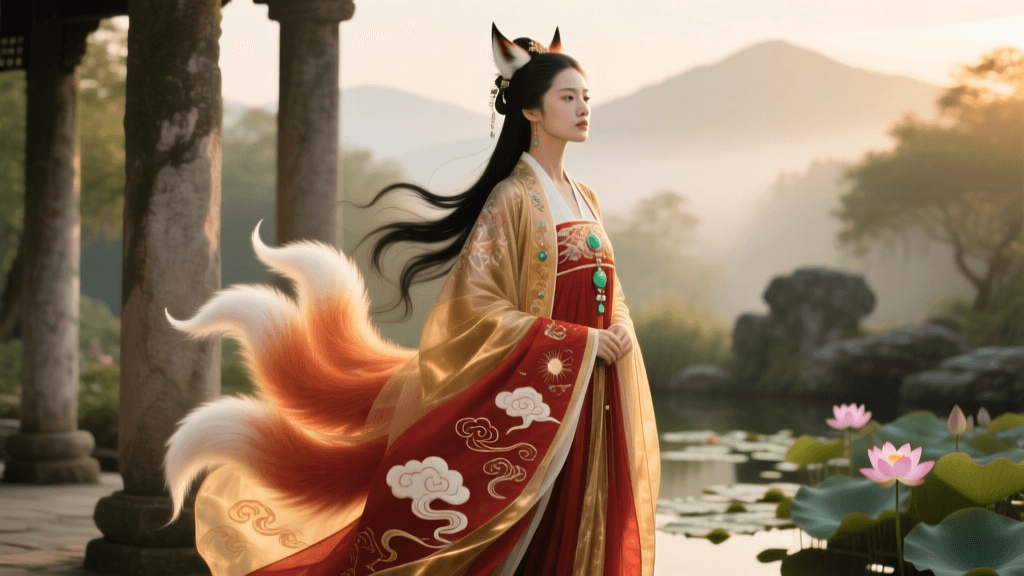
The modern Hanfu revival movement has transcended strict historical reenactment, opening a vibrant portal into the realm of Chinese mythology and folklore. For centuries, the celestial beings, earthbound spirits, and mythical creatures of Chinese legend have dictated aesthetic ideals, influencing everything from courtly fashion to theatrical costuming. Today, enthusiasts and cosplayers are drawing heavily from texts like the Shanhaijing (Classic of Mountains and Seas) and the vibrant murals of the Mogao Caves to recreate the wardrobes of gods, immortals, and mythical beasts.
According to Encyclopædia Britannica, Chinese mythology is deeply intertwined with Taoist cosmology, Buddhist lore, and ancient animistic traditions, creating a pantheon of deities whose visual identities are defined by specific colors, animal motifs, and flowing silhouettes. Translating these divine archetypes into wearable garments requires an understanding of traditional textile structures, strategic layering, and meticulous accessorizing. Whether you are preparing for a cultural festival, a Hanfu convention, or a professional photoshoot, dressing as a mythological figure demands a blend of historical garment knowledge and fantastical flair.
Archetypes of the Divine: A Styling Comparison
To successfully embody a mythological figure, you must first understand the visual shorthand associated with their legends. Below is a comparative guide to four of the most popular mythological archetypes in the Hanfu community, detailing their core garments, color palettes, and essential accessories.
| Mythological Archetype | Core Garment Silhouette | Signature Color Palette | Essential Accessories & Props | Estimated Budget (USD) |
|---|---|---|---|---|
| Chang'e (Moon Goddess) | Qixiong Ruqun (Chest-high skirt) with Daxiushan (Large sleeve shirt) | Ivory, silver, pale jade, midnight blue | Jade rabbit motif hairpins, crescent moon Buyao, white faux-fur stole | $80 - $250 |
| Huli Jing (Fox Spirit) | Tang-style Tanling Ruqun (U-neck collar) or Wei-Jin style crossover robes | Crimson, burnt orange, gold, charcoal | Fox ear hair clips, golden bell waist chains, floral applique fans | $60 - $180 |
| Longwang (Dragon King) | Ming-style Mamuqun (Horse-face skirt) with Yuanlingpao (Round-collar robe) | Imperial yellow, azure, seafoam green, obsidian | Dragon horn headpieces, jade Pendants (Yupei), cloud-head shoes | $120 - $350+ |
| Feitian (Celestial Apsara) | Banbi (Half-sleeve vest) over a flowing skirt, bare shoulders or sheer shawls | Mineral green, terracotta, lapis lazuli, gold leaf | Extra-long Pibo (silk ribbons), lotus hair crowns, barefoot ankle bracelets | $70 - $200 |
Decoding the Celestial Silhouette
The Daxiushan (large sleeve shirt) is the undisputed centerpiece of celestial dressing. Originating in the Tang and Song dynasties, this sheer, wide-sleeved outer garment creates an ethereal, floating effect when the wearer moves. For a true mythological impact, look for a Daxiushan with sleeves that measure at least 1.2 to 1.5 meters in width. Because this garment is meant to be diaphanous, it is traditionally crafted from silk gauze or modern polyester organza.
For earthbound deities and mythical royalty, such as the Dragon King or the Queen Mother of the West, the Mamuqun (horse-face skirt) provides structural majesty. The flat front and back panels of the Mamuqun offer a canvas for elaborate jacquard weaving or embroidery, often featuring crashing waves, coiling dragons, or auspicious clouds. When ordering a Mamuqun for mythological styling, ensure the skirt length falls exactly 3 to 5 centimeters above the ground when wearing your intended footwear, allowing the intricate hem motifs to remain visible without collecting dirt at outdoor conventions.
Sourcing and Styling Your Mythological Wardrobe
The foundation of these celestial garments relies heavily on traditional silk production, recognized by UNESCO as an Intangible Cultural Heritage. While authentic mulberry silk offers an unparalleled drape and luminous sheen, it can be cost-prohibitive and difficult to maintain for active convention wear. Modern Hanfu brands frequently utilize high-quality synthetic alternatives like polyester jacquard, chiffon, and tulle to mimic the behavior of historical silks at a fraction of the cost.
Fabric Selection by Archetype
- Water & Lunar Deities: Opt for high-gloss charmeuse, satin, and metallic-threaded organza. These fabrics catch the light, mimicking the reflective surface of water or the glow of the moon. Avoid heavy cottons or matte linens, which will look too earthly and pedestrian.
- Forest Spirits & Fox Demons: Choose textured fabrics like crushed velvet, brocade, and raw silk. Earthy, tactile fabrics ground the character and suggest a connection to the natural, untamed wilderness.
- Celestial Apsaras (Feitian): Prioritize extreme lightness. As detailed by The Metropolitan Museum of Art's Heilbrunn Timeline of Art History, the evolution of Chinese silk allowed for the creation of diaphanous, flowing layers that seem to defy gravity. Use multi-layered chiffon and sheer tulle to achieve this weightless, floating aesthetic.
The Art of the Pibo (Silk Ribbon)
No mythological Hanfu ensemble is complete without the Pibo, a long, flowing silk ribbon draped over the arms and shoulders. To achieve the dramatic, gravity-defying loops seen in Dunhuang cave murals, your Pibo should be a minimum of 3 meters long and at least 30 centimeters wide.
Pro-Tip for Pibo Draping: To prevent the ribbon from slipping off your shoulders during a photoshoot or convention, lightly spray the inside of the ribbon with fabric starch or use double-sided fashion tape at the nape of your neck and the inner elbows. This anchors the silk while allowing the ends to billow in the wind.
Essential Accessories for a Celestial Transformation
Accessories bridge the gap between historical dress and mythological fantasy. While a standard Hanfu outfit might feature a simple jade hairpin, a deity requires an elaborate, gravity-defying hair crown.
Hair and Headpieces
For goddesses and celestial maidens, the Buyao (dangling hairpin) is essential. Look for Buyao crafted with velvet flowers (Ronghua) or enameled metal featuring motifs of peonies, phoenixes, or jade rabbits. To build volume, utilize a foam hair donut or a traditional wooden hairpiece (Yijia) wrapped in synthetic hair, allowing you to securely anchor heavy metal crowns and multiple hairpins without straining your natural hair.
Makeup and the Huadian
The Huadian is a decorative forehead applique that originated in the Tang dynasty and is heavily associated with celestial beings and nobility. While historical Huadian were made of gold leaf, jade, or painted paper, modern enthusiasts can use cosmetic-grade gold leaf flakes, specialized eyeliner stamps, or even small rhinestones applied with spirit gum. Pair this with slanted, elongated eyebrows and striking red lip tint to replicate the divine aesthetic of ancient murals.
Practical Tips for Convention and Photoshoot Wear
Wearing mythological Hanfu in real-world environments presents unique logistical challenges. Here is actionable advice to ensure your divine ensemble survives the mortal realm:
- Secure the Qixiong Ruqun: The chest-high skirt is notorious for slipping down. Always purchase a skirt with a silicone anti-slip strip sewn into the inner waistband. When tying the straps, use a secure double-loop knot at the side of your ribcage, and hide the tails inside the skirt rather than tying a bulky bow at the front.
- Manage the Sleeves: Large Daxiushan sleeves will drag on the ground and knock over props. Invest in a set of decorative sleeve ties (Shousha) or use hidden magnetic clasps to gather the sleeves at the wrists when you need to eat, use your phone, or navigate crowded convention halls.
- Timing and Sourcing: Most specialized, mythology-inspired Hanfu sets are produced by independent Taobao studios on a pre-order basis. Always place your orders 6 to 8 weeks before your event to account for manufacturing times (often 15-30 days) and international shipping via EMS or specialized forwarding agents.
- Footwear: Traditional cloud-head shoes (Yunlv) are beautiful but often lack arch support for all-day wear. Buy a pair that is half a size larger than your normal shoe size and insert a gel insole. If your skirt is long enough to hide your feet entirely, opt for comfortable, neutral-colored modern block-heeled boots to give you the elevated posture of a deity without the foot pain.
Embracing traditional clothing through the lens of Chinese mythology is a profound way to engage with the stories, art, and textile history of Asia. By understanding the structural foundations of Hanfu and thoughtfully applying the visual motifs of legend, you can bring the gods, spirits, and immortals of antiquity into breathtaking, modern reality.