Zapotec Huipil & Cochineal Dye Sourcing Guide 2026
The Enduring Legacy of the Zapotec Huipil
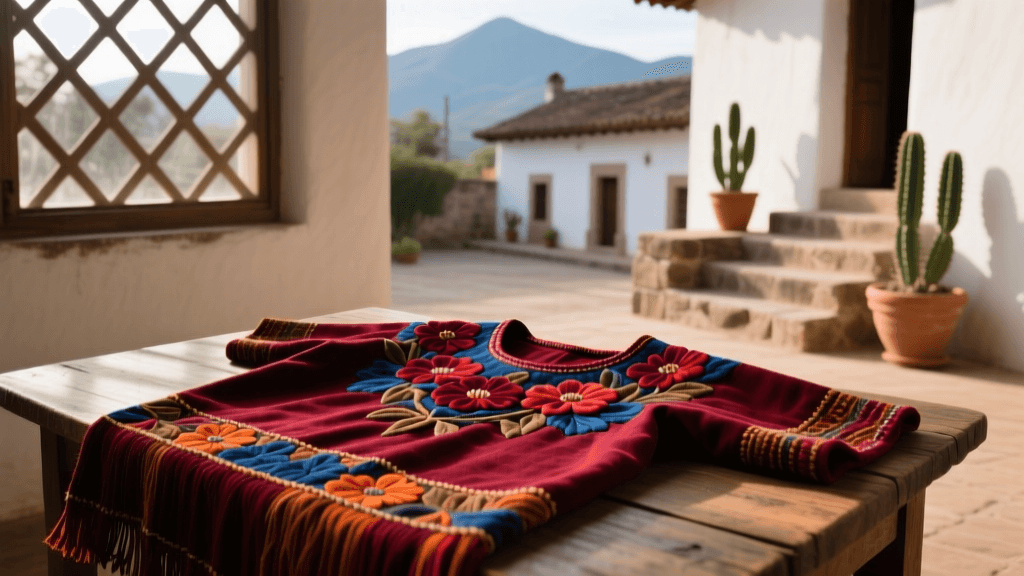
The traditional garments of Latin America represent a profound intersection of history, identity, and masterful craftsmanship. Among the most iconic and visually striking of these garments is the Zapotec huipil from the Isthmus of Tehuantepec in Oaxaca, Mexico. In 2026, the global appreciation for slow fashion, indigenous textile arts, and sustainable dyeing practices has elevated the Zapotec huipil from a regional staple to a highly sought-after piece of wearable art. For collectors, cultural enthusiasts, and ethical fashion advocates, understanding the nuances of these garments is essential before making a purchase.
Unlike the mass-produced textiles that flood international markets, an authentic Zapotec huipil is a testament to the matriarchal society of the Isthmus. The women of Tehuantepec—often referred to as Tehuanas—have historically controlled local markets and commerce, using their elaborate dress as a symbol of economic independence and cultural pride. Today, sourcing these garments requires a deep respect for the artisans, an understanding of natural dyeing techniques like cochineal, and a commitment to ethical purchasing.
Cochineal and Natural Dyes: The Colors of Oaxaca
While the intricate velvet floral embroidery is the most recognizable feature of the huipil de fiesta, the base fabrics and underlying textile traditions of Oaxaca rely heavily on natural dyes. The most prized of these is cochineal (Dactylopius coccus), a scale insect native to the region that feeds on the nopal cactus. When dried and crushed, the female insect yields carminic acid, producing a brilliant, colorfast crimson that has been valued since pre-Columbian times and once rivaled gold in the global colonial trade.
In 2026, the revival of natural dyes has moved beyond a niche trend into a standard of luxury and sustainability. Artisans in Oaxacan cooperatives utilize specific mordants to alter the pH of the cochineal dye bath, achieving a spectacular spectrum of colors without synthetic chemicals:
- Alum: Produces the classic, vibrant cochineal red.
- Iron (Oxide): Shifts the dye to deep purples, maroons, and near-blacks.
- Lime Juice (Acidic): Yields bright oranges and coral tones.
- Marigold and Indigo: Often combined with cochineal over-dyeing to create rich greens and complex burgundies.
When sourcing textiles from the region, verifying the use of natural dyes is a hallmark of authenticity. Synthetic aniline dyes, while cheaper, lack the depth, subtle variations, and historical resonance of cochineal and wild indigo.
Anatomy of a Tehuana Huipil de Fiesta
To accurately evaluate and price a garment in the current 2026 market, buyers must understand the distinct anatomical components of the huipil de fiesta (ceremonial huipil). This is not a simple woven tunic; it is a complex, multi-layered garment that can take months to complete.
The Lienzo and the Encaje
The base of the huipil is the lienzo, traditionally woven on a backstrap loom using native cotton or, for higher-end pieces, imported silk and artisela (rayon). Modern 2026 iterations often feature a base of crushed velvet or high-grade satin to support the heavy embroidery. The edges are finished with encaje (lace), which frames the face and arms. Authentic lace is often hand-crocheted or sourced from specialized regional lacemakers, contrasting sharply with the stiff, machine-made polyester lace found on commercial knockoffs.
The Floral Embroidery
The sprawling, vibrant floral motifs are the soul of the garment. Historically stitched with silk thread, contemporary artisans frequently use high-sheen rayon or cotton threads to create dense, raised satin stitches. The patterns are rarely symmetrical; they are meant to mimic the wild, organic growth of a garden, featuring roses, lilies, and regional flora.
The Holán and the Resplendor
A true huipil de fiesta is worn with a holán (a matching or contrasting ruffled skirt) and the legendary resplendor. The resplendor is a starched, lace headpiece that frames the face like a halo, originally designed to mimic the pleated ruffs of European colonial dress but entirely indigenized by Zapotec women. While the resplendor is rarely sold as part of a standard huipil package, its presence in a collector's ensemble signifies a complete, museum-grade acquisition.
2026 Sourcing and Pricing Matrix
The market for indigenous textiles has evolved significantly. In 2026, buyers are increasingly utilizing digital authentication ledgers provided by artisan cooperatives to verify the origin, weaver name, and materials of their purchases. Below is a comprehensive guide to what you should expect to pay for authentic Zapotec huipils in the current market.
| Garment Grade | Materials & Techniques | Production Time | 2026 Market Price (USD) |
|---|---|---|---|
| Everyday (Huipil de Diario) | Cotton base, cross-stitch or machine-assisted floral patterns, minimal lace. | 1 - 3 Weeks | $80 - $180 |
| Semi-Fiesta | Velvet or satin base, hand-embroidered rayon florals, hand-crocheted lace trim. | 1 - 2 Months | $250 - $550 |
| Gran Fiesta (Masterpiece) | Silk or premium velvet, dense hand-stitched silk florals, natural cochineal dyed accents, antique or bespoke lace. | 4 - 8 Months | $800 - $2,500+ |
Note: Prices reflect direct-from-cooperative or fair-trade gallery purchases. Tourist markets in Oaxaca City may inflate prices by 30-50% without ensuring the funds reach the original weaver.
Ethical Purchasing and Avoiding Appropriation
As the beauty of Latin American textile arts continues to captivate global audiences, the line between appreciation and cultural appropriation can become blurred. In 2026, ethical sourcing is paramount. The Cultural Survival organization consistently advocates for the intellectual property rights of indigenous artisans, urging buyers to avoid fast-fashion brands that digitize and mass-print traditional Zapotec patterns without compensation to the source communities.
To ensure your purchase supports the matriarchs of the Isthmus:
- Buy Direct or via Certified Intermediaries: Seek out cooperatives based in Juchitán de Zaragoza or Tehuantepec. Galleries affiliated with the UNESCO Creative Cities Network (Oaxaca was designated for its crafts and folk art) are excellent, verified starting points for high-end acquisitions.
- Request the Weaver’s Story: Authentic sellers will proudly provide the name of the artisan, her village, and often a photograph of her working on the piece. If a vendor cannot provide provenance, walk away.
- Understand the Sacred Context: Certain motifs and color combinations are reserved for specific life events, such as weddings or funerals. Consult with cooperative leaders to understand the cultural weight of the garment you are purchasing.
Preserving Velvet, Silk, and Natural Dyes
Owning a cochineal-dyed or velvet Zapotec huipil requires specialized care to ensure the garment survives for generations. The heavy embroidery can weigh down the base fabric, making proper storage essential.
Washing Guidelines
Never machine wash a ceremonial huipil. For cotton huipiles de diario, hand wash in cold water using a pH-neutral, eco-friendly detergent. Avoid wringing the fabric; instead, press the water out between two clean towels and lay flat to dry in the shade. Direct sunlight will rapidly degrade both natural cochineal dyes and synthetic rayon threads.
Storage Solutions
Velvet and heavily embroidered silk garments should never be hung on standard wire or wooden hangers, as the weight of the holán and embroidery will distort the shoulder seams. Instead, fold the huipil carefully with acid-free tissue paper to cushion the raised embroidery, and store it in a breathable cotton garment bag. Including natural cedar blocks in your storage area will protect the natural fibers from moisture and insect damage without the use of harsh chemical mothballs, which can react negatively with natural mordants like iron and alum.
Conclusion
The Zapotec huipil is far more than a beautiful garment; it is a living archive of indigenous resilience, matriarchal power, and unparalleled artistic skill. As we navigate the 2026 textile market, the responsibility falls on collectors and enthusiasts to prioritize ethical sourcing, respect the cultural boundaries of indigenous design, and support the cooperatives that keep the backstrap loom and the cochineal dye pots active. By investing in authentic, fairly traded pieces, you are not merely acquiring a stunning work of Latin American art—you are actively participating in the preservation of a vibrant, living heritage.
For further research into the historical context of Mesoamerican weaving and the preservation of indigenous artifacts, institutions such as The National Museum of the American Indian offer extensive digital archives and educational resources that deepen our understanding of these extraordinary textile traditions.