LDS Temple Garments 2026: Religious Meaning & Modern Styles
The Sacred Thread: Understanding LDS Temple Garments in 2026
For millions of members of The Church of Jesus Christ of Latter-day Saints across the Americas and the globe, the temple garment represents far more than a simple undergarment. Often referred to simply as 'garments' by adherents, these sacred items of clothing are worn by adult members who have participated in the temple endowment ordinance. As of 2026, the intersection of deep religious meaning, modern textile technology, and diverse cultural expressions across the Americas makes the study of LDS temple garments a fascinating subject for textile historians and cultural anthropologists alike. This comprehensive guide explores the profound religious symbolism, the evolution of modern styles, and how these garments are integrated into the diverse cultural tapestries of North, Central, and South America today.
Religious Meaning and Covenant Symbolism
To understand the cultural significance of the temple garment, one must first understand its religious purpose. In the Latter-day Saint faith, the garment serves as a constant, physical reminder of the covenants (sacred promises) made with God during the temple endowment ceremony. According to official church teachings and resources available through the Gospel Topics library, the garment is not viewed as magical or protective in a superstitious sense. Rather, it serves as a spiritual shield and a personal reminder of the wearer's commitment to live a moral, ethical, and faithful life.
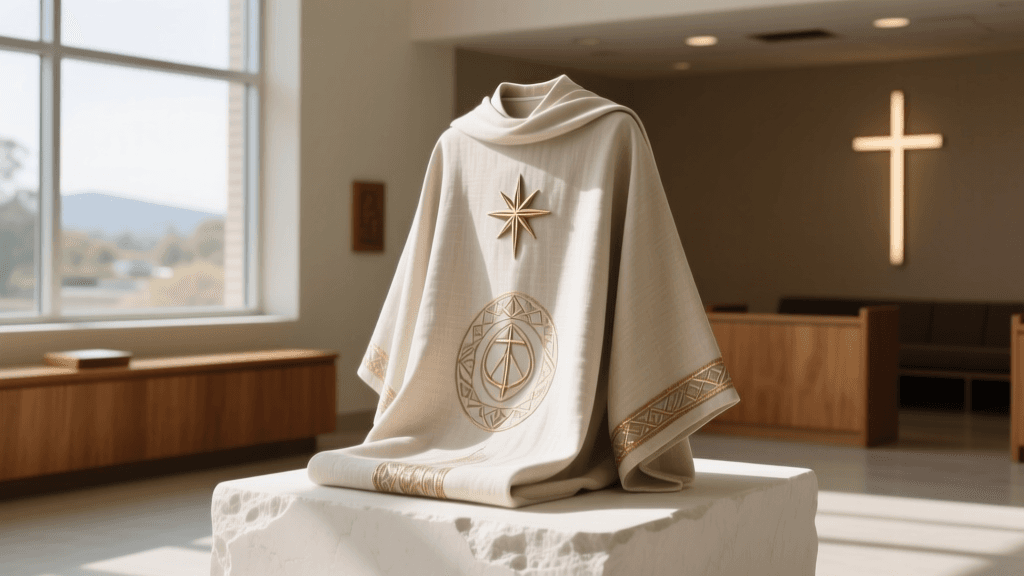
The design of the garment includes specific woven or embroidered marks that hold deep symbolic meaning, pointing the wearer's mind toward Jesus Christ and His atonement. These symbols are reminiscent of ancient Israelite priestly garments described in the Book of Exodus, bridging ancient religious traditions with modern Latter-day Saint worship. For the wearer, the garment is an intimate, sacred layer of clothing that commands respect and modesty, fundamentally shaping how they present themselves to the world.
Intersection of Sacred Garments and Indigenous American Dress
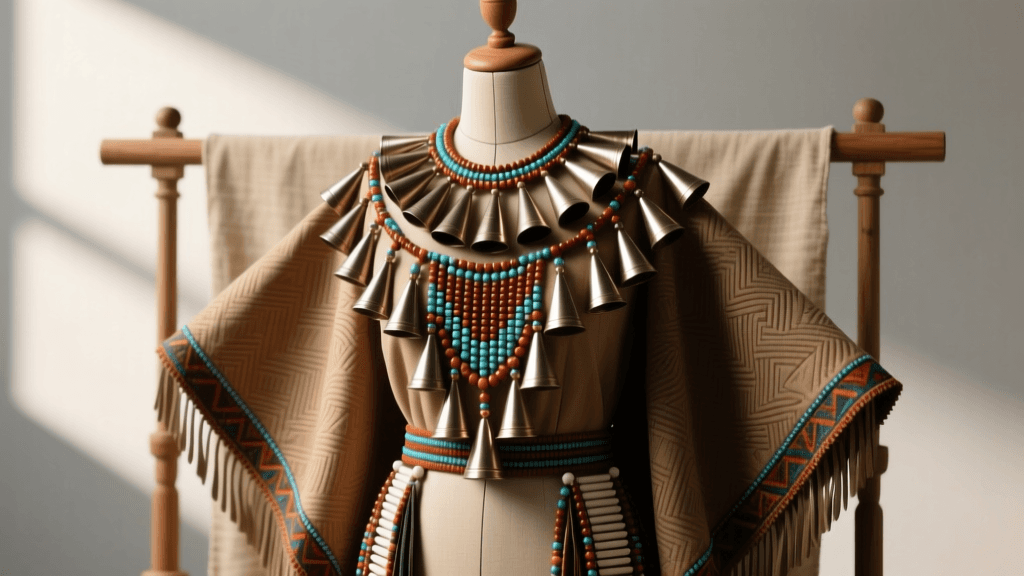
One of the most unique aspects of the temple garment in the Americas is its integration with Indigenous and regional cultural dress. The Church has a significant presence among Indigenous populations, including the Navajo (Diné) Nation in the American Southwest, the Maya and Nahua peoples in Mesoamerica, and various Quechua and Aymara communities in the Andean regions of South America. For Indigenous Latter-day Saints, balancing traditional cultural regalia with the mandate to wear the temple garment requires thoughtful adaptation.
During traditional festivals, powwows, or community ceremonies, Indigenous members often wear their sacred garments beneath elaborate, culturally significant outerwear. In the humid lowlands of Mesoamerica, members utilize the ultra-lightweight, moisture-wicking modal and dri-release fabrics introduced in recent years to remain comfortable under heavy, embroidered huipiles. In the high Andes, where temperatures fluctuate wildly, members layer thermal garment options beneath traditional woven ponchos and polleras. This seamless blending of sacred religious covenants with vibrant Indigenous heritage highlights the deeply personal and culturally adaptable nature of the garment across the diverse landscapes of the Americas.
Historical Evolution vs. 2026 Textile Innovations
The physical design of the temple garment has evolved significantly since its introduction in the 1840s. Originally, the garment was a one-piece, full-length union suit made of heavy cotton or wool, designed for the harsh winters of the American Midwest and the Rocky Mountains. Over the decades, it transitioned into a two-piece top and bottom design to accommodate changing fashion norms and practical needs.
Today, in 2026, the textile engineering behind temple garments is highly advanced. The Church's distribution centers offer a wide array of fabrics designed for specific climates and lifestyles. From breathable micro-mesh for athletes to stretch-lace for maternity wear, the modern garment is a marvel of functional, modest apparel. Members can now purchase these specialized items directly through the official Church Distribution store, ensuring access to high-quality, durable fabrics that meet the demands of modern living.
2026 Garment Styles: A Comprehensive Comparison
Choosing the right garment style depends heavily on the wearer's outer clothing, climate, and daily activities. Below is a detailed comparison of the primary styles and fabrics available in 2026, as frequently discussed in cultural and faith-based lifestyle reporting by outlets like the Deseret News.
| Garment Style | Best 2026 Fabric Option | Primary Use Case & Climate | Modesty Considerations |
|---|---|---|---|
| Crew Neck (Classic) | 100% Combed Cotton | Everyday wear; cooler climates like Canada or Patagonia. | Provides maximum coverage; ideal under standard t-shirts and button-downs. |
| V-Neck | Cotton-Modal Blend | Professional environments; wearing under open-collared shirts. | Slightly lower front; maintains required coverage while hiding under V-neck sweaters. |
| Scoop Neck | Stretch Lace / Modal | Women's everyday wear; pairing with wider-neck blouses. | Designed specifically for feminine outerwear while strictly adhering to modesty guidelines. |
| Low Back | Micro-Mesh / Spandex | Formal wear, summer dresses, and athletic tank tops. | Accommodates low-back evening wear without sacrificing the sacred marks. |
| Athletic / Performance | Dri-Release Moisture-Wicking | High-activity lifestyles, sports, and tropical/humid regions. | Anti-microbial and quick-drying; prevents chafing during physical exertion. |
| Maternity | Stretch Cotton / Bamboo | Pregnancy and postpartum recovery. | Features expandable panels to accommodate a growing belly while maintaining coverage. |
Climate Adaptations Across the Americas
The geographic diversity of the Americas necessitates a highly versatile garment wardrobe. In the sweltering humidity of the Amazon basin or the Caribbean, the 2026 athletic moisture-wicking styles are essential. These synthetic blends pull sweat away from the body, preventing the skin irritation that was a common complaint with older, heavier cotton models. Conversely, in the freezing winters of the northern United States and the high-altitude regions of South America, members rely on the classic 100% cotton styles, sometimes pairing them with thermal outer layers to trap body heat. The ability to mix and match tops and bottoms of different fabrics and styles allows members to curate a wardrobe that respects both their religious covenants and their environmental realities.
Practical Guide to Purchasing and Care in 2026
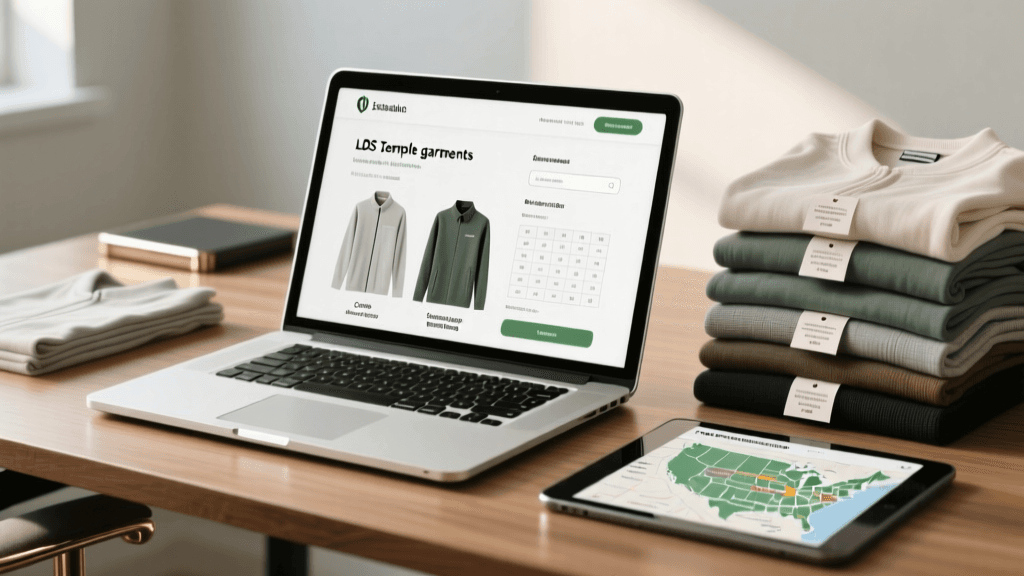
Acquiring temple garments is a straightforward process for endowed members. In 2026, the primary method of acquisition is through the Church's online distribution portal, which offers discreet shipping directly to the member's home. Local distribution centers located near temples and major chapels also stock a wide variety of sizes and styles for in-person fitting. Pricing is heavily subsidized by the Church to ensure accessibility for members of all income levels, with standard tops and bottoms typically costing between $10 and $18 USD each, depending on the fabric technology.
Care and Maintenance
Proper care of the garment is considered a sign of respect for its sacred nature. Members are instructed to treat the garments with care, washing them separately from heavily soiled outer clothing if desired, and ensuring they are not discarded in a disrespectful manner. When a garment becomes worn out or damaged beyond repair, the standard practice is to carefully cut out the sacred marks (which are then disposed of privately and respectfully) before recycling or discarding the remaining fabric. In 2026, many members also utilize specialized, eco-friendly laundry detergents to preserve the integrity of the advanced modal and bamboo fibers now prevalent in the garment lineup.
Cultural Respect and Addressing Misconceptions
Because the temple garment is worn beneath the outer clothing, it is often misunderstood by those outside the faith. Historically, sensationalized media and internet rumors have misrepresented the garment, sometimes incorrectly labeling it as 'magic underwear' or attributing superstitious properties to it. Cultural anthropologists and religious scholars emphasize that these misconceptions stem from a lack of understanding regarding Latter-day Saint theology and the deeply personal nature of the temple covenants.
For researchers, designers, and the general public studying the textile traditions of the Americas, the LDS temple garment stands out as a unique example of living religious dress. Unlike historical garments confined to museums, the temple garment is a vibrant, everyday reality for millions. It influences the modesty choices, fashion purchasing habits, and daily routines of a massive demographic across the Western Hemisphere. By approaching the subject with academic rigor and cultural respect, we can better appreciate how ancient religious symbolism continues to shape modern textile use and personal identity in 2026.
Conclusion
The LDS temple garment is a profound intersection of faith, culture, and modern textile engineering. As of 2026, the availability of diverse styles, climate-specific fabrics, and culturally adaptable designs ensures that members across the Americas can honor their sacred covenants without compromising on comfort or cultural expression. Whether worn beneath a business suit in New York, traditional Andean regalia in Peru, or athletic wear in California, the garment remains a steadfast, unifying symbol of devotion for Latter-day Saints throughout the diverse landscapes of the Americas.