Jingle Dress Regalia 2026: Sourcing Cones, Fabric & Beads
The Enduring Legacy of the Jingle Dress
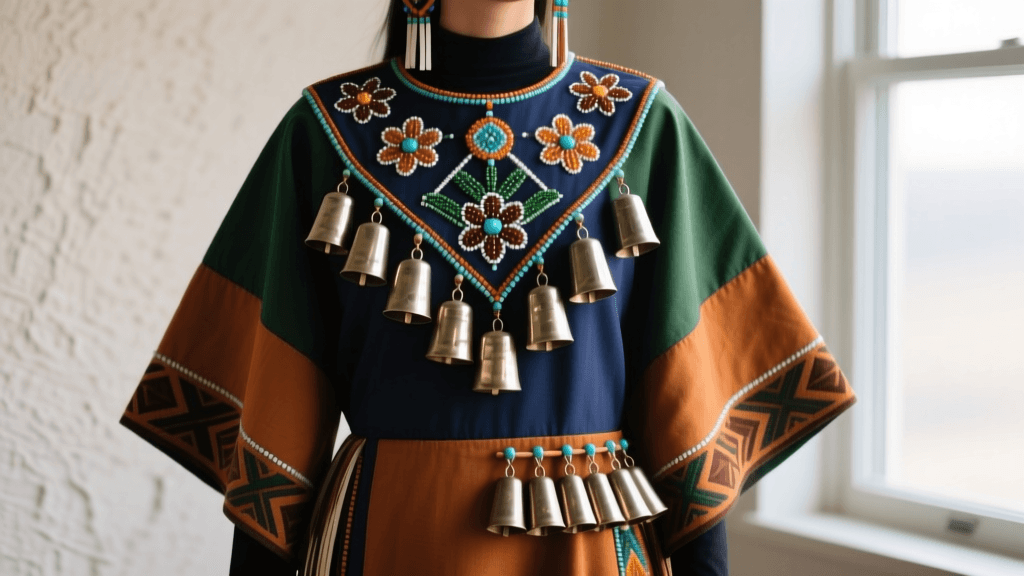
The Jingle Dress dance is one of the most visually and audibly striking traditions at any North American powwow. Originating from the Ojibwe (Chippewa) people in the early 20th century, the Jingle Dress was born from a vision of healing. According to oral histories, a medicine man was instructed in a dream to create a dress adorned with metal jingles that would produce a sound like rain on a tin roof, bringing healing to his ailing granddaughter. Today, the Jingle Dress is widely recognized across Indian Country as a powerful symbol of prayer, resilience, and cultural continuity. As we prepare for the 2026 powwow season—from the Denver March Powwow to the massive Gathering of Nations in Albuquerque—the demand for high-quality, ethically sourced regalia materials is at an all-time high.
Creating or commissioning a Jingle Dress is a meticulous process that requires an understanding of traditional aesthetics, modern textile durability, and the physics of sound. Whether you are a seasoned seamstress, a first-time regalia maker, or a dancer looking to commission a custom piece for the 2026 competition circuit, understanding how to source the right materials is paramount. This guide breaks down the anatomy of the Jingle Dress, providing actionable advice on sourcing metal cones, broadcloth, and beadwork in today's market.
Sourcing Metal Jingles: The Heartbeat of the Dance
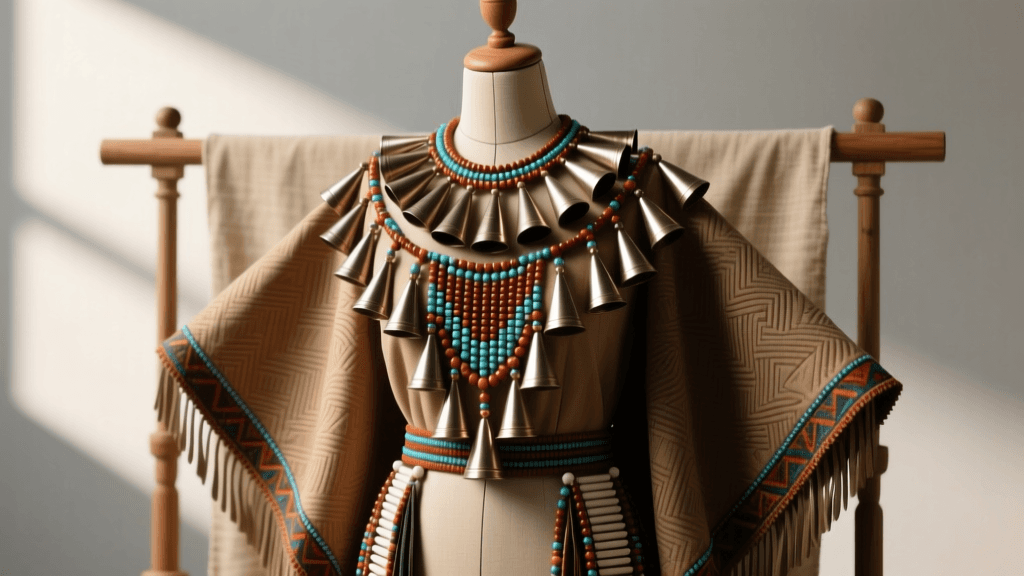
The defining feature of the Jingle Dress is, unsurprisingly, the jingles themselves. Traditionally, these were made from rolled tobacco tin lids, but modern regalia utilizes specialized metal cones designed to produce a specific acoustic profile. When sourcing jingles for the 2026 season, you will generally encounter three main types of metal cones. The choice between them depends on the style of dance (traditional healing vs. contemporary competition), the weight the dancer can comfortably manage, and the desired sound.
A traditional healing dress often features exactly 365 jingles, representing one for each day of the year. However, contemporary competition dresses, which require faster, more athletic footwork, typically utilize between 100 and 250 jingles to manage the garment's overall weight. When purchasing, always buy in bulk (usually packs of 100 or 500) from reputable Native-owned trading posts or specialized powwow suppliers to ensure consistency in size and tone.
2026 Jingle Cone Comparison Chart
| Cone Type | Manufacturing Process | Sound Profile | 2026 Avg. Cost (per 100) | Best Use Case |
|---|---|---|---|---|
| Rolled Cones | Hand or machine rolled from flat metal sheets | Deep, resonant, rain-like | $22.00 - $28.00 | Traditional & Healing Dresses |
| Stamped Cones | Machine stamped and curled from thin alloy | Bright, sharp, high-pitched | $14.00 - $18.00 | Competition & Youth Dresses |
| Cut Cones | Cut directly from aluminum tubing | Hollow, echoing, loud | $25.00 - $32.00 | Northern Traditional & Fancy |
Actionable Tip: When attaching jingles to the dress, never use standard cotton sewing thread. The sharp edges of the metal cones will slice through cotton thread after just a few powwow sessions. Instead, use heavy-duty upholstery thread, waxed nylon sinew, or dental floss. Furthermore, always attach the jingles to the dress using a small leather patch or heavy interfacing on the inside of the garment to distribute the weight and prevent the fabric from tearing.
Selecting Broadcloth and Appliqué Ribbons
The base of a Jingle Dress is typically constructed from cotton or poly-cotton broadcloth. In 2026, global textile supply chains have stabilized, making high-thread-count broadcloth more accessible and affordable than in previous years. You will need approximately 4 to 6 yards of 45-inch-wide broadcloth for an adult dress base, plus an additional 2 to 3 yards for sleeves, ruffles, and matching accessories.
When selecting your primary fabric color, consider the lighting of the arenas you will be dancing in. Jewel tones (emerald, sapphire, deep amethyst) and stark whites are incredibly popular, but they must be paired with high-contrast appliqué ribbon work to stand out. Satin or grosgrain ribbons are used to create the geometric patterns that adorn the bodice, sleeves, and hem. For a standard adult dress, expect to purchase between 15 and 25 yards of various ribbon widths (ranging from 1/2 inch to 2 inches) to complete the appliqué work.
For those looking to incorporate traditional wool broadcloth—a heavier, more historically accurate material that drapes beautifully and resists wrinkling—be prepared for a higher price point. Authentic wool broadcloth can cost upwards of $35 to $45 per yard in 2026, but the investment yields a garment that moves with a heavy, regal grace that cotton simply cannot replicate.
Ethical Beadwork and Accessories
No Jingle Dress is complete without accompanying beadwork, which typically includes a beaded yoke, belt, purse, moccasins, and hair ties. The beadwork should complement, rather than overpower, the dress. In 2026, the standard for high-quality regalia beadwork relies heavily on Czech glass seed beads (sizes 11/0 and 13/0) and Japanese Toho or Miyuki beads, prized for their uniform shape and vibrant colorfastness.
When purchasing finished beadwork or commissioning a beadworker, it is vital to ensure you are supporting authentic Indigenous artisans. The Indian Arts and Crafts Board provides excellent resources and guidelines for verifying the authenticity of Native-made goods, protecting both the consumer and the tribal economies that rely on traditional arts. Always ask for the artist's tribal affiliation and avoid mass-produced, overseas knock-offs that exploit Indigenous designs.
If you are beading your own accessories, utilize the two-needle appliqué method (also known as spot stitch) for laying down long, smooth lines of beads along the dress's ribbon work. For the yoke and moccasins, the lazy stitch (or lane stitch) is traditional for many Plains and Woodland tribes, creating a beautiful, ribbed texture that conforms to the body's contours.
Footwear: Moccasins and Leggings
The footwork in the Jingle Dress dance is grounded, deliberate, and requires immense stamina. Your feet must be protected and supported. Traditional hard-soled or soft-soled beaded moccasins are the standard footwear. For the 2026 powwow trail, where dancers may be on concrete arena floors or uneven outdoor grounds, many dancers opt for a hybrid approach: a traditional soft-soled moccasin upper attached to a durable, shock-absorbing rubber sole, or inserting high-quality orthotic insoles into their traditional footwear.
Leggings are also essential. Typically made from the same broadcloth as the dress and adorned with matching ribbon work and beadwork, leggings are tied below the knee. Ensure your leggings are tailored snugly; loose fabric can catch on the jingles during complex footwork, leading to tripped steps or torn ribbons.
Caring for Your Regalia on the 2026 Powwow Trail
A handmade Jingle Dress is a significant financial and emotional investment, often costing between $1,500 and $4,000 if fully commissioned with museum-quality beadwork. Proper care is essential to ensure it lasts for generations. The metal jingles are highly susceptible to humidity and rust, especially during the humid summer months of the Northern powwow circuit.
- Storage: Never store your Jingle Dress in a plastic bag, as this traps moisture and accelerates rusting. Use a breathable cotton garment bag.
- Moisture Control: Place several silica gel desiccant packets in the pockets of the dress and inside the garment bag to absorb ambient moisture.
- Transport: When packing for a powwow, roll the dress rather than folding it. Folding can cause permanent creases in the broadcloth and bend the metal cones out of shape. If cones do become bent, they can be carefully reshaped using a smooth, rounded wooden dowel.
- Cleaning: Avoid machine washing. Spot clean the broadcloth with a mild, pH-neutral detergent and a damp cloth. If the dress requires a deep clean, consult a professional textile conservator who specializes in Indigenous garments, as recommended by institutions like the Smithsonian National Museum of the American Indian.
Conclusion: Honoring the Tradition
As you source materials and construct your Jingle Dress for the 2026 season, remember that every stitch, bead, and metal cone carries the weight of history and prayer. The Jingle Dress is not merely a costume; it is a living, breathing entity that brings healing to the community. By prioritizing ethical sourcing, supporting Native-owned businesses, and utilizing durable construction techniques, you ensure that the beautiful, rain-like sound of the Jingle Dress will continue to echo across powwow arenas for generations to come. For further reading on tribal sovereignty and the protection of Indigenous cultural expressions, resources provided by the National Congress of American Indians offer invaluable context for anyone deeply involved in the Native arts community.