LDS Garment Styles & Materials: 2026 Modern Updates Guide
The Evolution of Temple Garment Materials and Styles
For members of The Church of Jesus Christ of Latter-day Saints, temple garments hold deep spiritual significance. They serve as a personal, sacred reminder of covenants made in the temple and provide a symbol of modesty and devotion in daily life. Over the decades, the physical construction of these garments has evolved significantly to accommodate the diverse climates, lifestyles, and professional needs of a global membership. As we move through 2026, the intersection of sacred modesty and modern textile technology has resulted in an unprecedented variety of LDS garment styles, materials, and specialized cuts.
Historically, garments were primarily constructed from heavy, woven cotton. While durable, these early iterations were often uncomfortable in humid climates or during rigorous physical activity. Today, the Church's distribution system offers a highly engineered catalog of options. According to the Church Newsroom, the design and fabric of the garment have been updated periodically to improve comfort and functionality while maintaining the sacred markings and modest coverage required by Church leadership. In 2026, members can choose from advanced moisture-wicking blends, ultra-soft modal fabrics, and strategic mesh paneling designed for extreme heat.
Material Innovations for 2026
The most significant updates in recent years revolve around fabric composition. The 2026 catalog available through the official Church store categorizes materials based on climate, skin sensitivity, and activity level. Understanding these fabric technologies is essential for selecting the right garment for your daily routine.
1. 100% Cotton and Cotton Blends
Traditional 100% cotton remains available for those with severe synthetic allergies or those who prefer natural fibers. However, the standard cotton-polyester blend (usually 50/50 or 60/40) remains the most popular choice for everyday wear in temperate climates. The polyester addition increases durability, reduces shrinkage, and ensures the garment retains its shape after repeated washing. In 2026, the Church has introduced a slightly softer ring-spun cotton blend that reduces the 'break-in' period required for traditional cotton garments.
2. Modal and Spandex Performance Blends
For professionals and those who prefer a sleeker, more modern fit under tailored clothing, modal-spandex blends are the top choice. Modal, a semi-synthetic fabric derived from beech tree pulp, is exceptionally soft, breathable, and resistant to shrinking. The addition of 5% to 8% spandex provides four-way stretch, making these garments ideal for long hours at a desk or active days running errands. They drape smoothly under business attire and resist pilling better than standard cotton.
3. Cooling and Moisture-Wicking Synthetics
Members living in tropical climates, the American Southwest, or those who engage in heavy outdoor labor rely on the performance cooling line. Constructed from advanced microfiber nylon and polyester blends, these garments actively pull sweat away from the skin and promote rapid evaporation. The 2026 updates to the cooling line feature improved UV-resistant threads and anti-odor silver-ion treatments, ensuring freshness during long summer days or intense physical workouts.
4. Strategic Mesh Paneling
For extreme heat and humidity, garments featuring micro-mesh panels offer maximum ventilation. These designs place breathable, moisture-wicking mesh in high-sweat areas such as the underarms, lower back, and sides, while maintaining opaque, modest fabric over the core and sacred markings. This hybrid approach provides the cooling benefits of athletic wear without compromising the modesty standards required of the garment.
Modern Garment Styles and Cuts
Beyond fabric, the cut and silhouette of LDS garments have diversified to accommodate modern fashion trends, athletic wear, and specific life stages. The Church ensures that all approved styles maintain the required coverage (knee-length bottoms and sleeves that reach the shoulder cap) while offering versatility for different necklines and outerwear.
Top Variations
- Crew Neck: The traditional, classic cut. Ideal for standard t-shirts, button-downs, and modest everyday wear.
- V-Neck: Designed to remain hidden under unbuttoned collared shirts or lower-cut blouses.
- Scoop Neck (Women's): A wider, curved neckline that accommodates modern women's fashion, including wider boat-necks and scoop-neck dresses.
- Athletic Cut (Men's): Features wider armholes and a slightly tapered torso to prevent bunching under compression shirts or athletic jerseys.
Bottom Variations
- Classic Brief and Boxer: Standard lengths that reach the mid-thigh, suitable for everyday trousers and modest skirts.
- Bermuda and Capri Lengths: Extended lengths that reach just above the knee, designed specifically for wear under knee-length shorts, capri pants, or active wear.
- Athletic Compression: Form-fitting, longer bottoms designed to prevent chafing during running, cycling, or gym workouts.
2026 Style and Fabric Comparison Guide
To help members navigate the extensive options available in 2026, the following table outlines the best fabric and style combinations based on lifestyle and climate needs.
| Lifestyle / Climate | Recommended Fabric | Best Top Style | Best Bottom Style |
|---|---|---|---|
| Office / Business Professional | Modal-Spandex Blend | V-Neck or Scoop | Classic Brief / Boxer |
| Extreme Heat / Humidity | Cooling Synthetic with Mesh | Crew or V-Neck | Lightweight Boxer |
| Athletics / Outdoor Labor | Moisture-Wicking Nylon | Athletic Cut | Compression / Bermuda |
| Sensitive Skin / Allergies | 100% Ring-Spun Cotton | Crew Neck | Classic Cotton Brief |
| Maternity / Postpartum | Stretch Cotton-Modal | Scoop or V-Neck | Over-Bump Maternity Panel |
Maternity, Youth, and Adaptive Options
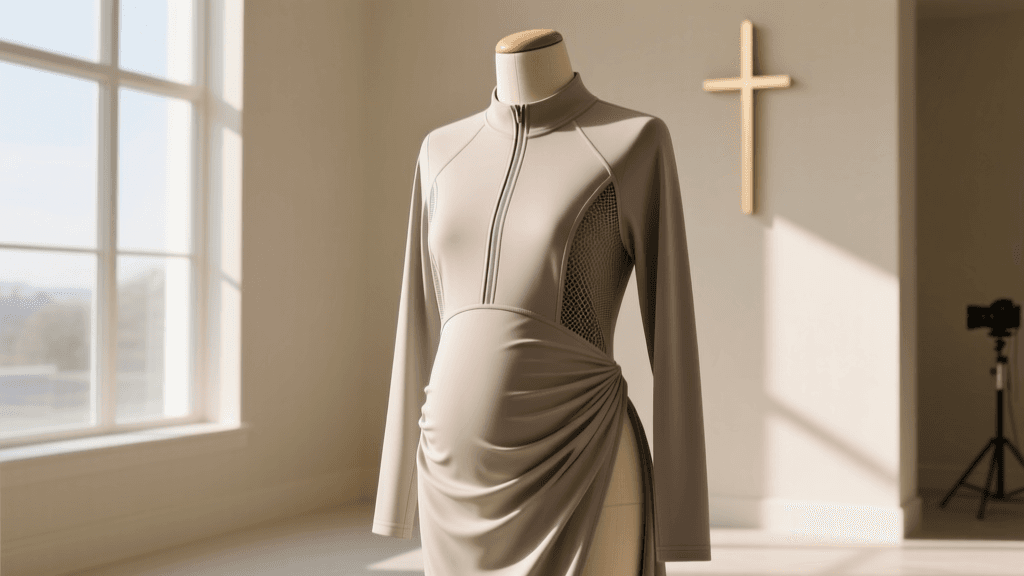
The 2026 catalog places a strong emphasis on inclusivity and life-stage adaptability. Maternity garments now feature advanced over-bump and under-bump panels made from ultra-stretchable, breathable modal blends that grow with the wearer throughout pregnancy and provide gentle postpartum support.
For youth preparing to serve missions or enter the temple, the sizing and durability of youth-specific garments have been upgraded to withstand the rigors of mission life, featuring reinforced stitching and stain-resistant fabric treatments. Additionally, adaptive garments designed for individuals with limited mobility or those who use wheelchairs feature modified closures, softer seam placements to prevent pressure sores, and easier pull-on designs, ensuring that all members can comfortably wear their garments regardless of physical limitations.
Purchasing and Distribution in 2026
Acquiring temple garments in 2026 is more streamlined than ever. While physical Distribution Centers located near temples and major Church hubs remain fully operational, the vast majority of members utilize the Church's secure online store. Members must log in with their Church Account to verify their temple recommend status before accessing the garment purchasing portal.
Pricing in 2026 reflects the cost of advanced textile manufacturing while remaining heavily subsidized by the Church to ensure accessibility. Standard cotton and blend sets typically range from $12 to $16, while specialized performance, cooling, and modal sets range from $18 to $24. The Church also offers a robust exchange policy for unworn, unopened garments, and provides specialized assistance for members in remote international areas through local distribution liaisons.
Caring for Modern High-Tech Fabrics
The shift toward synthetic blends and cooling fabrics requires updated laundry practices to maintain the integrity of the material and the sacred markings. To extend the life of 2026 performance and modal garments, members should follow these care guidelines:
- Avoid Fabric Softeners: Softeners coat synthetic fibers, destroying the moisture-wicking and cooling properties of performance garments.
- Wash in Cold Water: Cold water prevents the breakdown of spandex and elastic fibers, ensuring the garment retains its shape and stretch over time.
- Tumble Dry Low or Air Dry: High heat is the enemy of modal and synthetic blends. Air drying is highly recommended for the cooling and mesh lines to prevent micro-tears in the fabric.
- Use Mild Detergents: Harsh chemicals and bleach alternatives can degrade the specialized silver-ion anti-odor treatments found in the athletic lines.
Conclusion
The landscape of LDS temple garments in 2026 reflects a thoughtful balance between sacred tradition and modern innovation. By offering a wide array of high-tech fabrics, specialized cuts, and adaptive designs, the Church ensures that members across the globe can honor their covenants comfortably, regardless of their climate, profession, or physical needs. Whether you are navigating a humid summer, sitting in a corporate boardroom, or embarking on an active outdoor lifestyle, there is a modern garment style engineered to support your daily walk of faith.