Great Lakes Ribbonwork Regalia: 2026 Sourcing Guide
The Living Tradition of Great Lakes Floral Ribbonwork
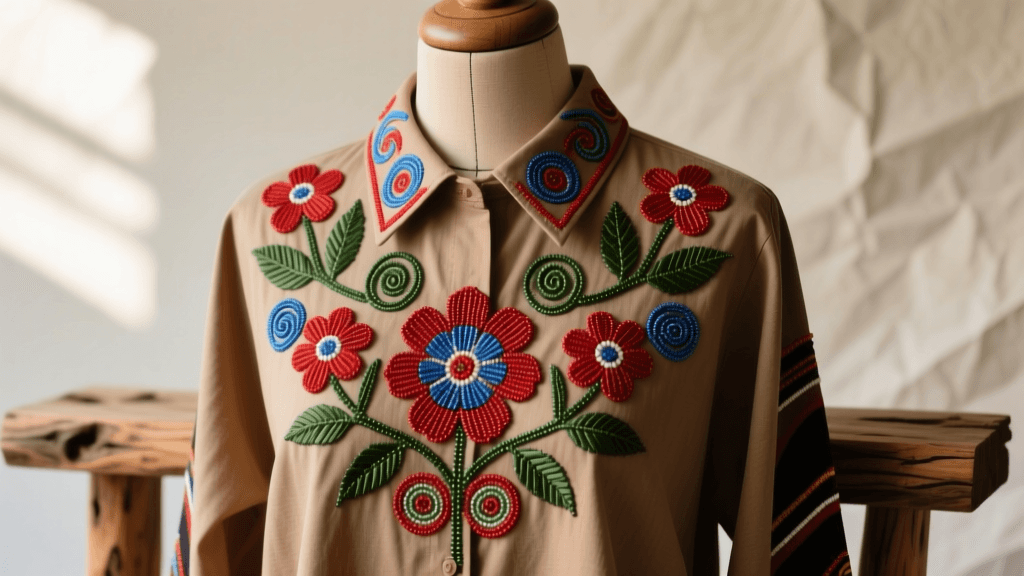
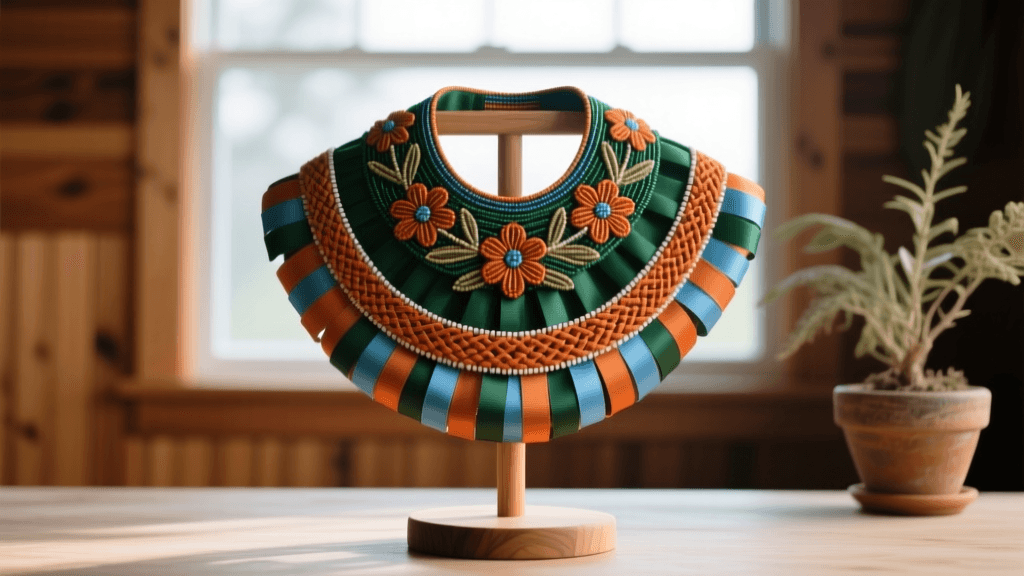
The living tradition of Great Lakes floral ribbonwork stands as one of the most visually striking and technically demanding textile arts in North America. Originating among the Odawa, Ojibwe, Potawatomi, Ho-Chunk, and Menominee peoples, this intricate art form transforms simple silk and satin ribbons into breathtaking, multi-layered floral and geometric motifs. Today, in 2026, ribbonwork is not merely a historical artifact preserved behind museum glass; it is a vibrant, evolving medium used to create stunning Powwow regalia, traditional dance outfits, and contemporary Indigenous fashion. For both emerging and veteran regalia makers, understanding the nuances of material sourcing, fabric behavior, and modern crafting techniques is essential for producing heirloom-quality garments that honor ancestral protocols while embracing modern durability.
Historical Context and the 2026 Revitalization
Historically, Great Lakes artisans traded furs for European silk ribbons and wool trade cloth, notably the legendary Stroud cloth. Artisans developed the reverse-appliqué technique, layering contrasting ribbons and cutting away the top layers to reveal the vibrant colors beneath. According to the Smithsonian National Museum of the American Indian, this synthesis of imported materials and ancient Indigenous design sensibilities birthed a completely unique aesthetic that continues to define Great Lakes cultural identity. In 2026, a massive revitalization movement is underway. Younger generations of Indigenous artists are combining traditional hand-stitching with digital pattern-making, utilizing tablets to draft complex floral symmetry before a single pair of shears touches the fabric. This fusion of ancestral knowledge and contemporary technology has elevated the standard of Powwow regalia seen on the competition circuit today.
Selecting the Base Fabric: Melton Wool vs. Cotton Broadcloth
The foundation of any ribbonwork garment—whether a shawl, a skirt, or leggings—requires a base fabric that can support the weight of dense appliqué without sagging or warping. In 2026, regalia makers primarily choose between high-grade Melton wool and heavy cotton broadcloth.
Melton Wool
Melton wool is the premier choice for traditional leggings, vests, and winter regalia. Its dense, tightly woven, and heavily fulled structure prevents fraying when cut, which is crucial for reverse-appliqué. When sourcing Melton wool today, look for a weight of at least 16 to 20 ounces per yard. The most sought-after colors remain the historical trade colors: Stroud red, deep navy, forest green, and black. Be aware that true Melton wool requires specialized heavy-duty needles and a thimble, as the density can fatigue the hands during long stitching sessions.
Cotton Broadcloth and Trigger
For Jingle Dress bases, Fancy Shawl foundations, and lighter summer regalia, heavy cotton broadcloth or polyester-cotton trigger is preferred. These fabrics offer excellent drape and breathability. However, because cotton frays easily, makers must use a lightweight fusible interfacing on the back of the fabric wherever ribbonwork will be applied to stabilize the base and prevent the tension of the stitching from puckering the garment.
The Ribbon Economy: Sourcing Colorfast Satin and Silk
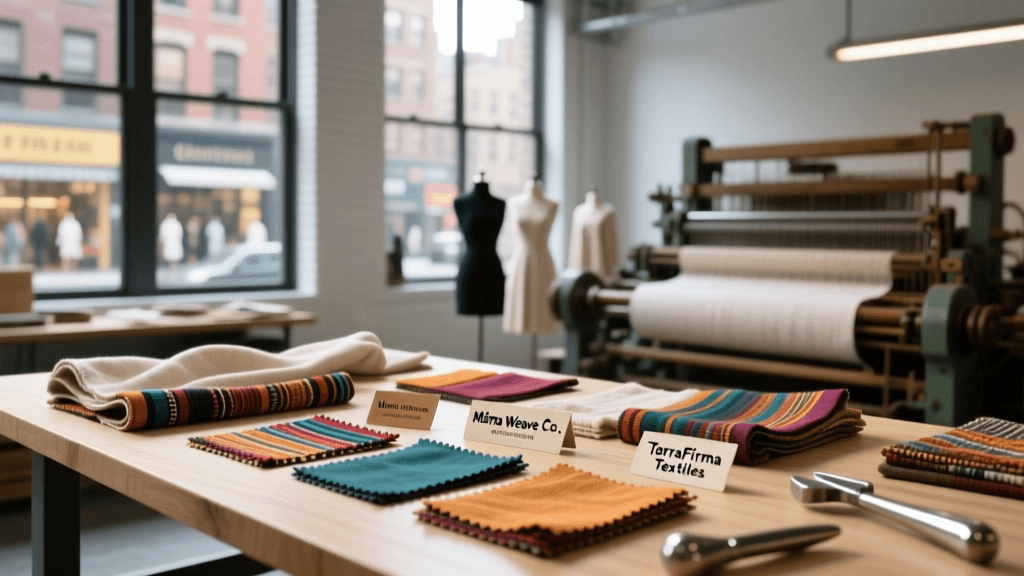
The soul of ribbonwork lies in the ribbons themselves. The technique demands ribbons with a tight weave, a brilliant sheen, and minimal fraying along the bias. In 2026, the global textile market has shifted, and finding high-quality, colorfast ribbons requires knowing exactly which brands and suppliers to trust.
- Double-Faced Satin (Polyester and Nylon Blends): Brands like Offray and Maywood Studio remain the gold standard for Powwow regalia. Double-faced satin is essential because the reverse side of the ribbon is often visible in complex folded techniques. Look for ribbons with laser-cut or heat-sealed edges to minimize fraying.
- Pure Silk Ribbons: For museum-quality reproduction pieces or high-end traditional everyday wear, pure silk ribbons sourced from European heritage mills are unmatched in drape and historical accuracy. However, silk is highly susceptible to water spotting and UV fading, making it less practical for rigorous outdoor Powwow dancing.
- Width Specifications: A well-rounded 2026 regalia kit requires specific widths. 3/8-inch ribbons are used for intricate floral stems and delicate outlines. 5/8-inch ribbons form the bulk of leaves and petals, while 1-inch and 2-inch ribbons are reserved for bold borders and geometric framing.
Digital Pattern Making and Precision Cutting
The most significant shift in regalia creation over the last few years is the integration of digital design. In 2026, many top-tier ribbonwork artists use stylus tablets and vector-based software to design their floral motifs. This allows for perfect symmetry, easy scaling for different garment sizes, and the ability to print out paper templates. Once the paper template is cut, it is pinned to the top layer of ribbon. Using specialized appliqué scissors with micro-serrated blades—such as the Kai 5000 series—artists can cut through multiple layers of slippery satin with zero slippage, ensuring the crisp, sharp points that define master-level Anishinaabe and Ho-Chunk floral work.
Essential Tools for the Modern Regalia Maker
Beyond the fabrics and ribbons, the tools you use dictate the final quality of your garment. Upgrading your notions kit in 2026 will drastically reduce hand fatigue and improve stitch invisibility.
- Needles: John James Appliqué needles in size 11 or 12 are favored for their sharp points and thin shafts, which glide through dense wool and layered satin without leaving large, visible holes.
- Thread: While historical pieces used silk thread, modern makers overwhelmingly prefer high-tenacity polyester threads like Gutermann Mara 100. It offers the sheen of silk but possesses the tensile strength required to withstand the dynamic movement of Powwow dancing.
- Interfacing: Pellon SF101 (a woven, fusible interfacing) is a staple in 2026. Ironing a small patch of SF101 behind the base fabric directly under the appliqué area provides the necessary stability to keep satin ribbons from rippling.
Material Comparison Chart for Regalia Makers
| Material Type | Best Use Case | Durability | Estimated 2026 Cost (Per Yard) | Handling Difficulty |
|---|---|---|---|---|
| 20oz Melton Wool | Leggings, Vests, Winter Wear | Exceptional | $35 - $55 | Moderate (Thick) |
| Cotton Broadcloth | Jingle Dresses, Skirts | High | $12 - $18 | Easy |
| Polyester Double-Faced Satin | Standard Powwow Appliqué | High | $4 - $8 (per spool) | Moderate (Slippery) |
| Pure Silk Ribbon | Heirloom/Reproduction Pieces | Moderate | $15 - $30 (per spool) | High (Fraying) |
| Woven Fusible Interfacing | Base Stabilization | N/A | $6 - $10 | Easy |
Navigating Cultural Protocols and Ethical Purchasing
As the demand for Indigenous art grows, so does the market for mass-produced, culturally appropriated imitations. When sourcing pre-made ribbonwork appliqué, pre-sewn shawls, or finished regalia components, it is vital to ensure you are supporting verified Native artisans. The Indian Arts and Crafts Board (IACB), a division of the U.S. Department of the Interior, actively enforces the Indian Arts and Crafts Act, which makes it illegal to offer or display for sale any art or craft product in a manner that falsely suggests it is Indian-produced. In 2026, ethical consumers and regalia makers prioritize purchasing directly from tribally enrolled artists, attending Native art markets like the Santa Fe Indian Market or the Heard Museum Guild Indian Fair, and utilizing verified online directories provided by the IACB to ensure their financial support sustains Indigenous communities and respects intellectual property rights.
Step-by-Step: Preparing Your First Reverse-Appliqué Motif
For those beginning their journey into Great Lakes ribbonwork, mastering the reverse-appliqué fold is the first major milestone. Follow these actionable steps for a clean, traditional finish:
- Stabilize the Ribbon: Cut your top-layer ribbon slightly wider than your pattern requires. Lightly spray the back with a temporary fabric adhesive and press it to a strip of tear-away stabilizer. This prevents the satin from stretching on the bias while cutting.
- Cut the Motif: Pin your paper template to the stabilized ribbon and cut precisely along the lines using micro-serrated scissors.
- Layer and Baste: Place the cut top ribbon over your contrasting base ribbon. Use silk pins or a water-soluble basting glue pen to secure the layers. Avoid sewing through the folds prematurely.
- The Blind Stitch: Fold the raw edges of the top ribbon under by exactly 1/8th of an inch as you sew. Use a blind hem stitch or a fine whipstitch, catching only a single thread of the base ribbon. The goal is for the thread to disappear entirely into the fold of the satin.
- Pressing: Once stitched, gently press the motif from the reverse side using a low-heat iron and a Teflon pressing sheet to flatten the folds without crushing the sheen of the satin.
Caring for and Preserving Heirloom Regalia
A completed set of ribbonwork regalia represents hundreds of hours of labor and significant financial investment in premium materials. Proper preservation in 2026 goes beyond simple storage. Never store wool or heavy satin regalia in plastic bins, which can trap moisture and cause mildew or yellowing of the synthetic fibers. Instead, wrap the garments in unbleached, washed cotton muslin and store them in a climate-controlled environment. To deter textile pests like moths and carpet beetles without resorting to harsh chemical mothballs that can degrade silk and satin, utilize natural cedar blocks and dried lavender sachets, refreshing them every six months. When cleaning becomes necessary, avoid home washing machines; instead, consult a textile conservator or a dry cleaner who specializes in theatrical and cultural garments to ensure the dyes do not bleed across the intricate appliqué layers.
'Ribbonwork is not just about making something beautiful; it is about stitching our history, our resilience, and our botanical knowledge into garments that move with us into the future.' — Contemporary Anishinaabe Textile Artist, 2026 Powwow Symposium.
By investing in high-quality Melton wools, colorfast double-faced satins, and precision cutting tools, today's regalia makers ensure that the breathtaking floral traditions of the Great Lakes will continue to flourish on the Powwow trail and in cultural ceremonies for generations to come.