The 2026 NYC and LA Garment District Sourcing Guide
The 2026 Renaissance of American Fashion Manufacturing
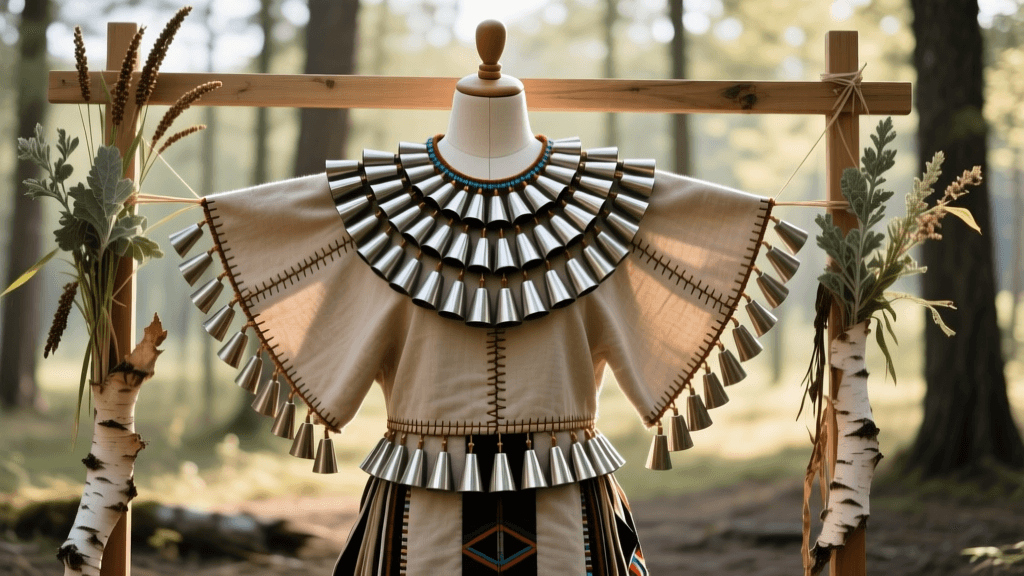
As we navigate the fashion landscape of 2026, the global supply chain has undergone a permanent transformation. Independent designers, heritage brands, and Indigenous fashion houses are increasingly turning away from overseas manufacturing in favor of nearshoring and domestic production. At the heart of this American manufacturing renaissance are the historic fashion hubs: the New York City Garment District and the Los Angeles Fashion District. For designers focusing on Americas and Indigenous clothing traditions, these urban centers are no longer just places to find zippers and basic cottons; they have evolved into vital incubators for sustainable textiles, ethical artisan collaborations, and specialized trims required for traditional regalia and contemporary Native American fashion.
Whether you are sourcing heavy wool for Navajo-inspired outerwear, finding the perfect silk ribbons for the modern Ribbon Skirt movement, or looking for eco-friendly denim for a streetwear capsule, understanding the nuances of these two distinct districts is critical. This comprehensive 2026 guide will walk you through the streets, the suppliers, and the ethical frameworks necessary to source responsibly in America's premier fashion hubs.
New York City’s Garment District: Heritage Meets High-Tech
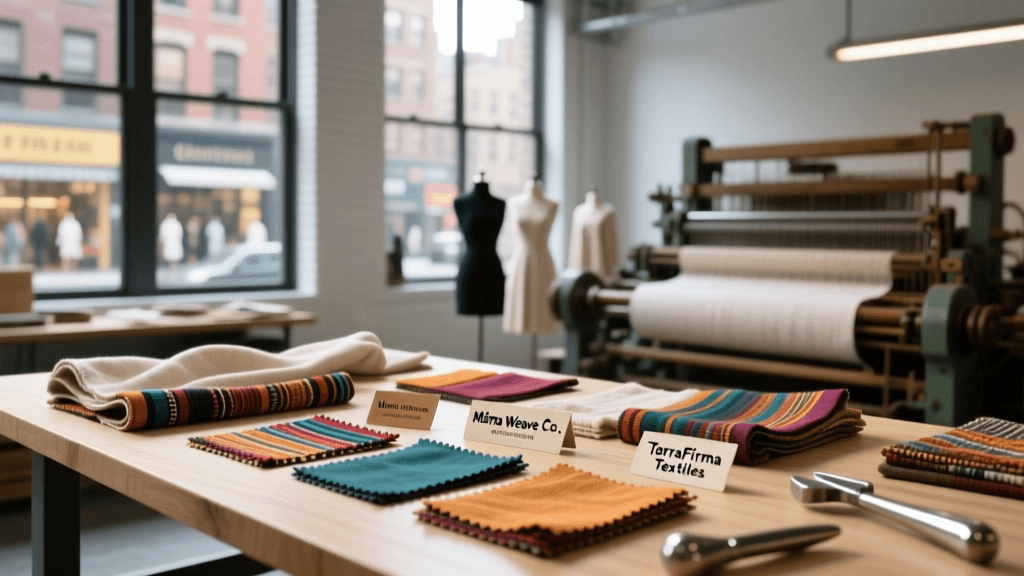
Spanning roughly from 34th to 42nd Streets between Fifth and Ninth Avenues, the NYC Garment District remains the epicenter of high-end American fashion. In 2026, the district has fully embraced a hybrid model of heritage craftsmanship and high-tech sustainability. According to the Garment District Alliance, recent zoning protections and sustainability grants have successfully preserved small-batch manufacturing spaces that were previously threatened by commercial real estate development.
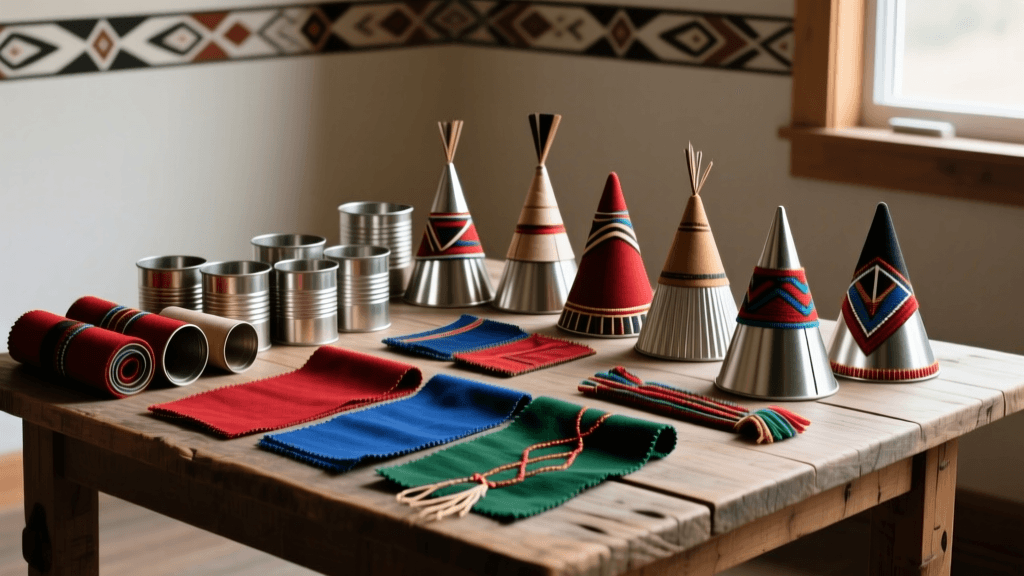
For designers of Indigenous and traditional garments, NYC offers unparalleled access to specialized trims and luxury natural fibers. Stores like Mood Fabrics and Spandex House have expanded their 2026 inventories to include traceable, ethically sourced wools and organic silks. If you are designing contemporary Ribbon Skirts or traditional Métis sashes, the ribbon and trim suppliers on 38th Street offer thousands of colorways and widths, allowing for the precise geometric color-blocking required in Indigenous regalia.
Furthermore, the district is now home to several 3D-knitting and zero-waste cutting facilities. Independent designers can bring digital CLO3D tech packs directly to Midtown micro-factories, producing small-batch runs of knitwear using domestically sourced, undyed Churro wool blends. This localized supply chain drastically reduces the carbon footprint of your collection while keeping the economic benefits within the American textile ecosystem.
Los Angeles Fashion District: The Nearshoring and Streetwear Capital
While NYC focuses on high-end tailoring and specialized trims, the Los Angeles Fashion District—centered around 9th Street, Maple Avenue, and the historic Cooper Building—dominates the cut-and-sew, denim, and streetwear markets. In 2026, LA has solidified its position as the premier destination for sustainable cotton and eco-friendly dye houses, making it an essential hub for designers creating everyday wear inspired by Indigenous and Latin American motifs.
The California Fashion Association has been instrumental in pushing the district toward closed-loop water systems and organic cotton sourcing. For designers incorporating traditional Southwestern or Mesoamerican textile patterns into modern apparel, LA’s digital printing houses offer state-of-the-art, low-water sublimation and direct-to-fabric printing. This allows for the vibrant, complex geometric patterns found in traditional weaving to be translated onto sustainable hemp and organic Pima cotton without the heavy environmental toll of traditional screen printing.
LA is also the premier hub for denim. If your brand explores the intersection of Indigenous beadwork and American workwear, the denim jobbers on Maple Avenue provide access to deadstock selvedge and heavyweight organic denim. Many of these suppliers now offer laser-finishing services, allowing designers to etch traditional petroglyphs or tribal patterns directly onto denim without using harmful chemical bleaches.
Ethical Sourcing and Indigenous Textile Collaborations
When sourcing materials that intersect with Indigenous cultures, ethical considerations and legal frameworks must be at the forefront of your 2026 business strategy. The line between cultural appreciation and appropriation is strictly monitored by consumers and regulatory bodies alike. If you are a non-Native designer seeking to incorporate Native American motifs, or an Indigenous designer looking to scale your traditional garment production, you must understand the legalities of marketing and sourcing.
The Indian Arts and Crafts Board, operated by the U.S. Department of the Interior, enforces the Indian Arts and Crafts Act. This truth-in-advertising law strictly prohibits the marketing of any art or craft product in a way that falsely suggests it is Indian-produced. When sourcing in NYC or LA, if you are purchasing mass-produced trims, beadwork, or turquoise-inspired hardware from overseas wholesalers operating in these districts, you cannot legally market these items as 'Native American made' or 'Indian crafted.'
Instead, the 2026 best practice for ethical sourcing involves direct collaboration. Use the garment districts to source your base materials (the blank denim, the organic cotton blanks, the silk ribbons), but partner directly with verified Indigenous artisans for the application of beadwork, quillwork, or traditional embroidery. Both NYC and LA host numerous Indigenous fashion collectives and artisan networks. By sourcing the raw materials in the district and paying fair-trade wages to Native artisans for the hand-finishing, you create a legally compliant, ethically sound, and culturally respectful supply chain.
NYC vs. LA: 2026 Sourcing Comparison Matrix
To help you plan your sourcing trips, we have compiled a comparison of what each district offers the modern, culturally-minded designer in 2026.
| Feature | NYC Garment District | LA Fashion District |
|---|---|---|
| Primary Specialties | Luxury fabrics, specialized trims, ribbons, high-end tailoring, 3D knitting. | Denim, cut-and-sew knits, sustainable cotton, streetwear, eco-dye houses. |
| Typical MOQs | Low to Medium (Many suppliers cater to indie designers with 10-50 yard minimums). | Medium to High (Jobbers often require 100+ yard minimums, though deadstock is flexible). |
| Best For Indigenous Fashion | Sourcing silk ribbons for Ribbon Skirts, luxury wools, and high-end beadwork backing. | Heavyweight denim for workwear, organic cotton for everyday graphic tees, and laser-etching. |
| Key Streets | West 38th St (Trims), West 39th St (Fabrics). | 9th Street (Fabrics), Maple Ave (Denim & Jobbers). |
| 2026 Tech Integration | AI-driven inventory tracking, micro-factory zero-waste cutting. | Closed-loop water dye systems, digital direct-to-fabric printing. |
Step-by-Step Sourcing Itinerary for Independent Designers
Navigating these sprawling districts requires a strategic approach. Wandering aimlessly in 2026 will result in missed appointments and exhausted feet. Here is a proven itinerary for maximizing your sourcing trip.
Preparation: The 2026 Digital Tech Pack
Before you step foot in Manhattan or Downtown LA, ensure your tech packs are digitized and accessible via tablet. Suppliers in 2026 expect to see 3D renderings alongside traditional spec sheets. If you are sourcing for traditional garments, include high-resolution reference photos of the historical textiles you are drawing inspiration from, ensuring the sales representatives understand the specific drape, weight, and finish you require.
Day 1: The Trim and Ribbon Run (NYC)
Start your morning on 38th Street. For designers creating regalia or Ribbon Skirts, visit the multi-story trim emporiums. Bring physical color swatches, as the lighting in these massive warehouses can distort colors. Negotiate for 'roll ends'—many suppliers will sell the last 10 to 20 yards of a discontinued ribbon at a steep discount, which is perfect for small-batch Indigenous capsule collections.
Day 2: The Denim and Knit Jobbers (LA)
Fly to LA and head straight to the Cooper Building and the surrounding Maple Avenue jobbers. Bring your own denim burn-test kit and a digital fabric scale. In 2026, many jobbers blend recycled cotton with virgin fibers; testing the weight and composition on the spot ensures the fabric will hold up to the heavy embroidery or beadwork you plan to apply later. Always ask for the 'greige' goods (unbleached, undyed fabric) if you plan to use natural, plant-based dyes like indigo or cochineal in your own studio.
Conclusion: Building a Resilient American Supply Chain
The NYC and LA garment districts are no longer just relics of 20th-century manufacturing; they are dynamic, tech-enabled hubs that support the future of sustainable and ethical fashion. For designers working within the Americas and Indigenous clothing space, these districts offer the raw materials necessary to honor traditional craftsmanship while scaling for a modern, eco-conscious market. By understanding the distinct strengths of each city, respecting the legal frameworks of Indigenous art, and leveraging 2026's manufacturing technologies, you can build a resilient, domestic supply chain that honors the past and stitches together the future of American fashion.