Jingle Dress Regalia Materials Guide 2026: Cones & Fabrics
The Heartbeat of Healing: Jingle Dress Regalia in 2026
The Jingle Dress, known in the Ojibwe language as the Mideyaawinig, is far more than a garment; it is a living, breathing prayer and a profound symbol of healing. Originating from the Mille Lacs Band of Ojibwe in the early 20th century, the dress was born from a vision of healing during a time of great sickness. Today, as we navigate the 2026 powwow season, the Jingle Dress dance has evolved into a pan-Indian phenomenon, celebrated at gatherings across North America for its spiritual significance, intricate craftsmanship, and the unmistakable, rain-like sound of its metal cones.
For Indigenous artisans, dancers, and families preparing for the 2026 competition and traditional powwow circuits, sourcing the right materials is a critical first step. The modern regalia market offers a vast array of textiles, metals, and trims, but maintaining the integrity, weight, and sound of a traditional jingle dress requires careful selection. According to cultural historians and resources like Powwows.com, the construction of a jingle dress balances deep spiritual protocol with the practical demands of competitive and ceremonial dancing.
This comprehensive 2026 guide will walk you through the exact materials, measurements, and ethical sourcing strategies needed to craft or commission an authentic, high-quality Jingle Dress regalia.
Sourcing the Perfect Jingles: Cones and Metals
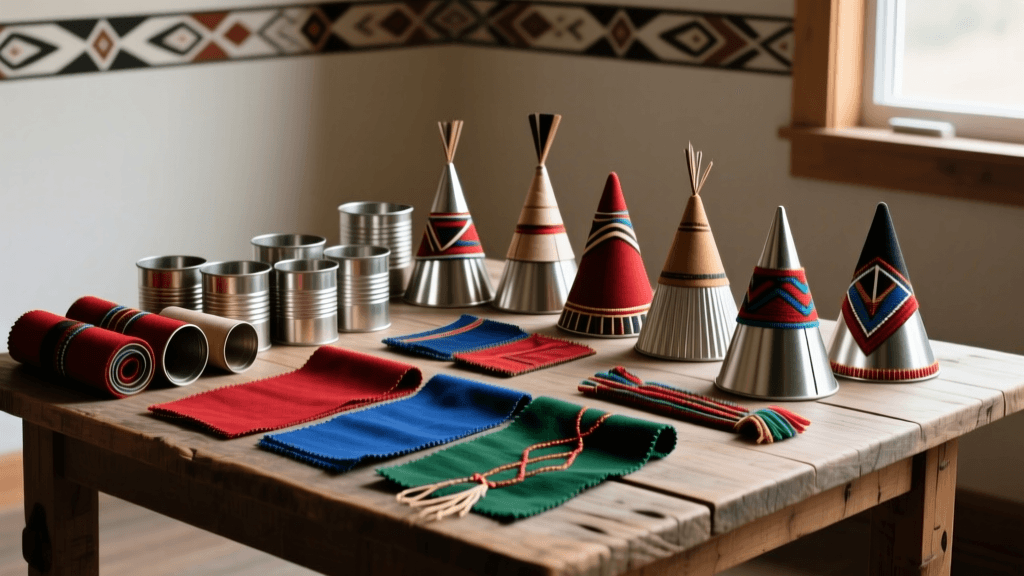
The soul of the Jingle Dress lies in its cones, often referred to as 'jingles.' Traditionally crafted from the lids of tobacco tins and snuff cans, these cones were rolled by hand to create a hollow, resonant chamber. When the dancer moves, the cones strike one another, producing a sound that mimics falling rain—a vital element in prayers for water and healing. In 2026, while some traditionalists still roll their own cones from upcycled metals, the market offers several high-quality alternatives tailored to different dancing styles.
2026 Cone Material Comparison Chart
| Cone Type | Material Composition | Sound Profile | 2026 Avg. Cost (per 100) | Best Application |
|---|---|---|---|---|
| Traditional Rolled | Upcycled Tin / Mild Steel | Deep, resonant, rain-like | $45 - $65 | Traditional & Healing Dances |
| Commercial Stamped | Aluminum / Brass Alloys | Bright, high-pitched, crisp | $20 - $35 | Youth, Teens & Contemporary |
| Copper Hand-Rolled | Pure Copper / Copper Blend | Warm, mellow, earthy | $90 - $120 | Special Ceremonial Regalia |
| Heavyweight Stainless | Stainless Steel | Loud, sharp, piercing | $55 - $75 | Outdoor Competitive Powwows |
The Math of the Jingles: A traditional adult jingle dress typically features between 365 and 400 cones, representing the days of the year and the continuous nature of prayer. However, contemporary 'Fancy' jingle dresses seen on the 2026 competition trail may feature upwards of 500 to 600 cones to create a denser, louder wall of sound. When ordering, always purchase 15% more cones than your calculated need to account for losses during stringing and future repairs.
Stringing Materials and Hardware
In the past, ribbons or strips of cloth were used to tie the cones to the dress. Today, durability is paramount. For the 2026 season, the industry standard for stringing jingles is heavy-duty, waxed nylon braided fishing line (80lb to 100lb test) or specialized synthetic sinew. Waxed upholstery thread is also a favorite among master seamstresses because the wax prevents the metal edges of the cone from fraying and cutting the thread during vigorous dance movements. You will need approximately one spool (500 yards) of heavy-duty thread for every 100 cones.
Fabric Selection: Base Textiles and Yardage
The base of the Jingle Dress must be breathable, durable, and heavy enough to support the weight of hundreds of metal cones without tearing at the seams. While historical dresses were made from available cottons and wools, the 2026 textile market provides Indigenous creators with access to high-quality, sustainable fabrics that honor tradition while offering modern performance.
Recommended Fabrics for 2026
- Cotton Calico: The most traditional choice. Calico features small, repeating floral or geometric prints. It is lightweight but must be lined with a sturdy cotton broadcloth to bear the weight of the jingles.
- Cotton Broadcloth: Often used as the primary structural fabric or lining. It has a tight weave that prevents the heavy thread from pulling through the fabric over time.
- Sustainable Cotton Blends: A rising trend in 2026, many Native-owned textile cooperatives are offering organic cotton blended with a small percentage of elastane. This provides a slight stretch, improving mobility for dancers executing complex footwork.
- Velvet Accents: While not used for the whole dress due to heat retention, velvet is frequently used for the yoke, cuffs, and hem appliqué to add a rich, regal texture that contrasts beautifully with the metallic jingles.
Fabric Yardage Calculator
Calculating the correct yardage prevents costly shortages and ensures the pattern of the fabric aligns correctly at the seams. Below is a standard yardage guide for 45-inch wide fabric, based on the dancer's height and the style of the dress:
- Traditional Calf-Length (Youth/Teen): 4 to 5 yards of main fabric, plus 3 yards of lining.
- Traditional Calf-Length (Adult): 6 to 8 yards of main fabric, plus 5 yards of lining.
- Contemporary/Fancy Style (Adult with Tiered Skirts): 10 to 14 yards of main fabric, plus 8 yards of lining, due to the added gussets and ruffled tiers required for dramatic movement.
Pro Tip for 2026: Always pre-wash and dry your cotton calico and broadcloth on high heat before cutting. This pre-shrinks the fabric, ensuring that the precise placement of your jingle rows does not shift after the dress is laundered later in the powwow season.
Ribbon Work, Appliqué, and Trim
Ribbon work is a hallmark of Woodlands and Great Lakes regalia. On a Jingle Dress, ribbon appliqué is used to create the horizontal tiers where the cones are attached, as well as to decorate the yoke and hem. In 2026, the availability of high-quality, double-faced satin ribbons has expanded, allowing for more vibrant and colorfast designs.
When sourcing ribbons, look for 100% polyester double-faced satin. Cotton ribbons, while traditional, tend to fade and fray under the rigorous conditions of outdoor summer powwows. For the horizontal jingle rows, 1-inch to 1.5-inch wide ribbon is standard. You will need approximately 25 to 30 yards of ribbon per horizontal tier on an adult dress. If your design features four to six tiers, expect to purchase between 120 and 180 yards of ribbon per color.
Supporting Indigenous-owned bead and fabric shops is a vital part of the regalia-making ecosystem. Organizations like the Native Arts and Cultures Foundation frequently highlight and support Indigenous artisans and supply cooperatives, ensuring that the economic benefits of the powwow circuit remain within Native communities. Purchasing your ribbons, beads, and cones from these verified Native-owned businesses not only guarantees authentic, high-quality materials but also strengthens the cultural economy.
Ethical Sourcing and the 2026 Market
As the demand for authentic Native American regalia continues to grow globally, the 2026 market has seen a necessary pushback against cultural appropriation and mass-produced, non-Native 'costume' replicas. When sourcing materials, it is crucial to differentiate between legitimate regalia supply companies and novelty costume vendors.
Authentic jingle cones are sold by weight or by the gross (144 pieces) through specialized Native craft suppliers, often located in the Dakotas, Minnesota, and Oklahoma. These suppliers understand the specific acoustic requirements of the dance. Furthermore, when researching the historical context of your specific tribal variations, institutions such as the Smithsonian National Museum of the American Indian offer invaluable digital archives. Studying these archives can help you accurately replicate historical ribbon patterns, color palettes, and cone placements specific to your family or tribal lineage.
Assembly, Maintenance, and Storage
Constructing a Jingle Dress is a labor of love that can take anywhere from 80 to 200 hours of meticulous sewing. The weight of the cones requires reinforced seams. Master seamstresses in 2026 recommend using a heavy-duty denim or upholstery needle (size 18 or 20) and a walking foot on your sewing machine to feed the thick layers of fabric, lining, and ribbon evenly.
Caring for Your Regalia
Metal cones are susceptible to tarnishing and rust, especially when exposed to the sweat of the dancer and the humidity of summer powwows. To maintain the brilliant shine and acoustic clarity of your jingles:
- Post-Powwow Care: After every dance, hang the dress in a well-ventilated area to allow moisture to evaporate. Do not store it immediately in a plastic garment bag, as this traps humidity and accelerates rust.
- Polishing: For copper or brass cones, use a natural, non-abrasive polish. For traditional tin or steel, a light wipe with a cloth dampened with mineral oil will protect the metal from oxidation without leaving a sticky residue that attracts dirt.
- Storage: Store the dress flat or loosely rolled in a breathable cotton storage bag. Never hang a fully loaded jingle dress on a standard hanger, as the sheer weight of 400+ metal cones will distort the shoulders and tear the yoke fabric over time.
Conclusion
Crafting a Jingle Dress in 2026 is a beautiful synthesis of ancestral knowledge and modern craftsmanship. By carefully selecting the right cones for your acoustic needs, investing in durable and sustainable fabrics, and supporting ethical, Native-owned supply chains, you ensure that the healing heartbeat of the Mideyaawinig continues to resonate powerfully across the powwow grounds for generations to come. Whether you are sewing your first dress for a youth dancer or commissioning a masterpiece for the national competition trail, respecting the materials and the medicine they carry is the most vital step in your journey.