Authentic Oaxacan Huipiles: Sourcing Natural Dyes 2026
The Enduring Legacy of Oaxacan Textile Arts in 2026
Oaxaca, a culturally rich state in southern Mexico, remains the beating heart of Latin America's indigenous textile heritage. As we navigate the global fashion landscape in 2026, the intersection of slow fashion, cultural preservation, and sustainable practices has propelled traditional garments like the huipil (a loose-fitting tunic) and the rebozo (a long flat garment) into the international spotlight. However, this surge in popularity has also led to an influx of mass-produced, synthetic imitations flooding tourist markets and online platforms. For collectors, cultural enthusiasts, and ethical fashion advocates, understanding how to identify and source authentic, naturally dyed Oaxacan textiles is more critical than ever.
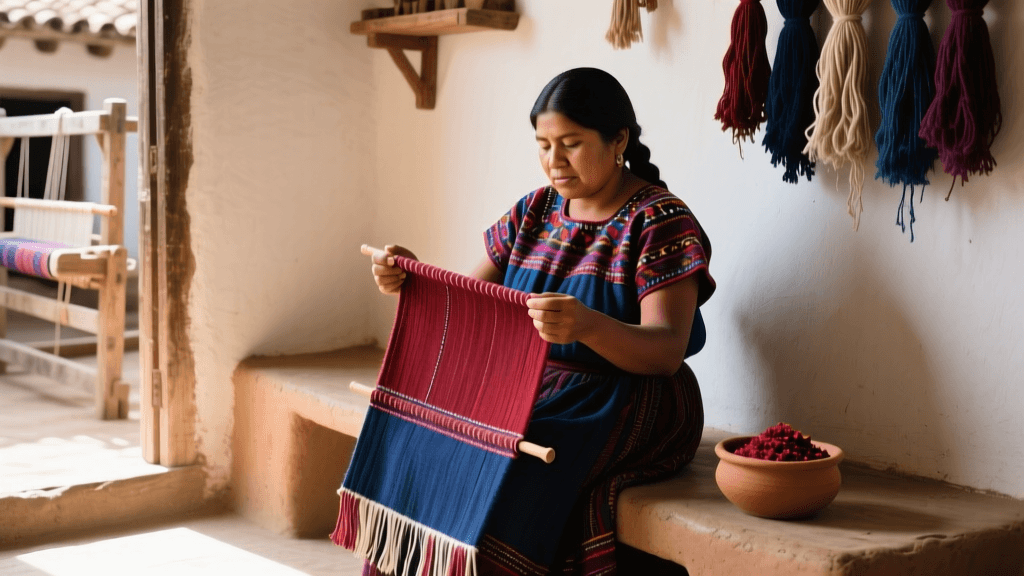
The creation of a genuine Oaxacan huipil is not merely a manufacturing process; it is a profound expression of indigenous Zapotec, Mixtec, and Nahua cosmology. From the harvesting of raw cotton to the intricate backstrap weaving and the application of organic dyes, a single garment can take anywhere from three to eight months to complete. In 2026, supporting the artisans who maintain these pre-Hispanic and colonial-era techniques requires a discerning eye, an understanding of regional variations, and a commitment to fair-trade economics.
The Alchemy of Oaxacan Natural Dyes
The most defining characteristic of high-end Oaxacan textiles is the use of natural dyes. Unlike synthetic aniline dyes, which offer uniform but harsh colors, natural dyes possess a living, breathing quality. They shift subtly in different lighting and age gracefully over decades. According to the Museo Textil de Oaxaca, the revival and strict preservation of natural dyeing techniques have been central to the region's cultural renaissance over the last decade, with 2026 seeing record numbers of young indigenous women returning to their communities to master the complex chemistry of organic mordants.
The Cochineal Red (Grana Cochinilla)
Cochineal is perhaps the most famous of all Mesoamerican dyes. Derived from the Dactylopius coccus insect that lives on the pads of the nopal cactus, cochineal produces a staggering spectrum of reds, pinks, purples, and even deep blacks. The Metropolitan Museum of Art notes that cochineal was historically one of the most valuable exports from the Americas to Europe, fundamentally altering global art and fashion. In 2026, master dyers in the Central Valleys of Oaxaca use acidic modifiers like lime juice to shift the dye toward vibrant oranges, and alkaline modifiers like wood ash to push it toward deep purples. The binding agent, or mordant, is typically piedra de alumbre (alum), which ensures the color remains fast to the cotton or silk fibers without degrading them.
The Indigo Blue (Añil)
Indigo dyeing is a notoriously difficult fermentation process. Oaxacan artisans utilize Indigofera suffruticosa, a native shrub. The leaves are soaked, fermented, and oxidized to create the iconic blue pigment. Because indigo is a vat dye, it does not require a mordant; instead, it bonds to the fiber through oxidation when the wet yarn is pulled from the vat and exposed to the air. Achieving a deep, midnight blue requires dozens of successive dips over several weeks. In 2026, authentic indigo-dyed threads are highly prized and command a premium, as the agricultural yield of native indigo has faced challenges due to shifting climate patterns in the Isthmus of Tehuantepec.
Marigold, Pecan, and Moss
Beyond red and blue, the Oaxacan palette is rounded out by cempasúchil (Mexican marigold) for brilliant yellows and oranges, pecan shells for rich browns, and various local mosses and lichens for soft greens and grays. The coyuche cotton, a native brown cotton variety, is often spun alongside white cotton to create natural, undyed earth tones that are highly sought after by contemporary textile collectors.
How to Identify Authentic Handwoven Garments
When sourcing a huipil or rebozo in 2026, whether in the markets of Oaxaca City or through verified online cooperatives, you must look beyond the vibrant colors. Here are the actionable steps to verify authenticity:
- The Selvedge (Orillo): Handwoven textiles on a backstrap loom will have clean, finished edges that are integral to the weave, not hemmed or serged by a machine. The width of the fabric is limited by the weaver's arm span, meaning wider garments are made by stitching two or three panels together with intricate hand-embroidered seams called randa.
- The Weave Irregularities: True handwoven cotton will have microscopic variations in tension. Run your hand over the fabric; you should feel the slight, rhythmic bumps of the weft threads. Commercial pedal-loom fabrics will feel unnaturally uniform and stiff.
- The Scent Test: Authentic natural-dyed textiles carry a faint, earthy scent. Cochineal and indigo, when wet or rubbed vigorously, may release a subtle organic aroma reminiscent of damp earth or dried herbs. Synthetic dyes often carry a sharp, chemical or petroleum-based odor.
- The Brocade Technique: In regions like San Antonino Castillo Velasco, the intricate floral patterns are not embroidered on top of the fabric after it is woven. Instead, they are woven directly into the cloth on the backstrap loom using a supplementary weft technique, making the pattern reversible or integrated into the very structure of the textile.
2026 Sourcing Guide: Where to Buy Authentic Pieces
Ethical sourcing means buying directly from artisan cooperatives or verified fair-trade galleries that ensure the weavers receive the lion's share of the profit. In 2026, the baseline price for a genuine, naturally dyed, backstrap-woven huipil ranges from 8,500 MXN to 22,000 MXN (approximately $480 to $1,250 USD), reflecting the hundreds of hours of labor and the rising cost of organic materials.
For the finest rebozos and ceremonial huipiles, seek out cooperatives in San Juan Colorado (famous for native coyuche cotton and indigo) and Choapan in the Sierra Norte (renowned for heavy, brocaded ceremonial huipiles). Avoid street vendors in tourist plazas who sell 'huipiles' for 500 MXN; these are almost invariably machine-embroidered polyester blends imported from overseas factories.
Comparison Chart: Authentic vs. Commercial Textiles (2026 Market Data)
| Feature | Authentic Handwoven (Natural Dye) | Commercial Loom (Synthetic Dye) |
|---|---|---|
| Fiber Content | 100% Hand-spun Cotton, Silk, or Wool | Polyester blends, acrylic, or commercial cotton |
| Dye Source | Cochineal, Indigo, Marigold, Pecan | Aniline and chemical synthetic dyes |
| Production Time | 3 to 8 months per garment | Less than 2 hours via power loom |
| Scent | Earthy, organic, neutral | Chemical, factory-processed |
| 2026 Avg. Price | 8,500 - 22,000 MXN ($480 - $1,250 USD) | 400 - 900 MXN ($22 - $50 USD) |
| Panel Seams | Hand-stitched Randa (embroidered joinery) | Machine-serged or glued seams |
Caring for Your Natural-Dyed Huipil or Rebozo
Owning a naturally dyed textile is an investment in living history, and proper care is essential to ensure it lasts for generations. Natural dyes are remarkably colorfast when properly mordanted, but they require specific maintenance routines that differ vastly from modern laundry habits.
- Washing: Never use commercial laundry detergents, as their high pH and optical brighteners will strip natural dyes and alter their chemical structure. Hand wash your garment in cold water using a pH-neutral soap, such as baby shampoo or a specialized textile wash like Eucalan.
- Drying: Do not wring or twist the fabric, as this can break the hand-spun fibers. Gently press the water out by rolling the garment in a clean, dry towel. Always dry your huipil or rebozo flat in the shade. Direct ultraviolet sunlight will rapidly fade cochineal and indigo over time.
- Storage: Store your textiles flat or rolled around acid-free tissue paper in a cool, dry place. Avoid wire hangers, which can distort the shoulder structure of a huipil and cause permanent creasing in the handwoven fibers.
Conclusion
The traditional garments of Oaxaca are far more than beautiful articles of clothing; they are wearable archives of indigenous knowledge, botanical science, and mathematical precision. As the global market continues to evolve in 2026, the responsibility falls on collectors and consumers to look past superficial aesthetics and engage deeply with the origins of their textiles. By learning to identify the hallmarks of natural dyes, understanding the economics of ethical sourcing, and committing to the proper care of these garments, you actively participate in the preservation of one of Latin America's most vital and breathtaking cultural traditions.